
After all, they're both often labeled as sweet potatoes.
Chances are, if you've ever gone grocery shopping in the tropics or browsed international cuisine restaurants, you might have encountered either name-but were too embarrassed to ask what the difference was.
Don't worry; we've got your back.
From texture to taste to nutritional value -hang tight for an exploration of the unique traits that each tuber brings to the table (figuratively).
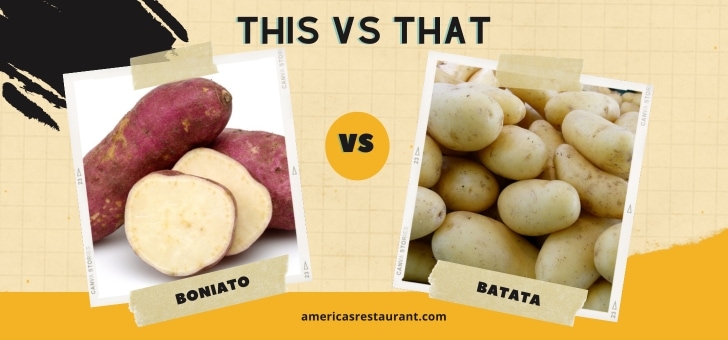
What is Boniato?

Boniato, otherwise known as Cuban sweet potato, is a fascinating root vegetable that is largely unknown to many individuals.
This starchy, tubular-shaped root vegetable is a staple food item in many Latin American and Caribbean countries, and has become increasingly popular in the United States.
Unlike traditional sweet potatoes, boniato has a white flesh and a thick, hard exterior skin that can be rough and brownish.
Its sweet and mildly nutty flavor is perfect for baking, boiling, or frying, making it a flexible ingredient in various dishes.
But what makes boniato so unique? Let's look into the in-depth details of this fascinating root vegetable.
When using boniato in sweet preparations, bright citrus can lift the flavor - try suggestions from lemon dessert pairings for bright contrast.
What is Batata?

Batata is a versatile root vegetable that has found its way into the hearts and kitchens of people across the world.
It goes by many names depending on the location, such as sweet potato, yam, and cassava.
However, despite the differences in nomenclature, Batata shares a common trait - it is incredibly nutritious.
This vegetable is high in fiber, vitamins, and minerals, making it an excellent addition to any meal.
One of the reasons Batata is widely enjoyed is because it can be cooked in various ways, including roasting, baking, boiling, or frying.
Each method results in a unique flavor and texture that tantalizes palate.
For instance, when roasted, Batata becomes sweet and caramelized, while boiling it creates a soft and creamy texture.
With so many cooking options, it's no wonder that Batata has become a staple ingredient in many dishes worldwide.
In the following paragraphs, we'll examine the various types of Batata, its nutritional benefits, and how it's prepared in different parts of the world.
Batata prepared as fries or chips pairs well with dips like guacamole - see guacamole pairing ideas for chips and fries for combo inspiration.
Differences Between Boniato and Batata

Boniato and Batata are two types of root vegetables that are similar in appearance but have different nutritional values.
Boniato has a higher content of fiber, vitamin C, and beta-carotene compared to Batata.
On the other hand, Batata contains more calories and carbohydrates than Boniato.
Also, Boniato has a slightly sweeter taste while Batata is milder in flavor.
These differences make them suitable for different recipes and dietary preferences.
Origin and Distribution
With roots stretching back thousands of years, the boniato, or Cuban sweet potato, emerged from South America's pre-Columbian civilizations.
This starchy underground staple slowly spread northward with the intervention of human migrations before reaching its current Caribbean and Southern states locations.
The batata, on the other hand, was domesticated in Peru over 8000 years ago and made its way to Europe via Spanish explorers in the late 15th century.
Both boniato and batata have since grown in popularity globally as food and ingredient items.
They are similar in taste but different in appearance and texture.
Batatas are usually more extensive, thicker while boniatos are smaller, thinner, lighter-skinned but denser.
In tropical regions like India, West Africa and Southeast Asia where they grow extensively both types have different culinary uses - one for example is baked sweet dish while the other is an herb-infused curry accompaniment.
An aspect to consider when comparing these two tubers is their nutrient contents.
While both provide good amounts of fiber, complex carbohydrates that keep you satiated for longer periods, neither would replace an item from your daily protein-packed meals list nor represent a source of Vitamin C or K.
Batatas however have higher levels beta-carotene which converts to Vitamin A and anti-inflammatory properties through Sweet Potatoes Nutrition.
Appearance and Texture
This section examines the inherent properties of boniato and batata with regard to their physical characteristics.
The appearance of these two root vegetables varies greatly, as does their texture.
While boniato has a smooth, light-brown exterior, batata is rougher and darker in color.
In terms of texture, boniato is denser and drier than batata, which is generally softer and moister - for ideas on achieving creamy textures in dishes, see creamy texture hummus recipes.
The variation in appearance and texture between these two root vegetables is not restricted to the surface level only.
Beneath the skin, they also have distinctive qualities that set them apart from each other.
For instance, boniato's flesh is white throughout, whereas batata's flesh has a distinct yellow-orange tint to it.
Also, the flesh of boniato is considerably less sweet than that of batata.
Despite their differences, both boniato and batata can be used interchangeably in many recipes due to their similar nutritional values and cooking times.
However, depending on your preferences or the demands of a specific recipe, one may be preferred over the other for its unique taste or textural qualities.
Flavor and Taste
The distinct flavor and taste of boniato and batata can be a deciding factor in choosing between these two root vegetables - see extract vs flavor comparison for cooks to clarify subtle differences.
Boniato has a mild, sweet taste with a slightly nutty flavor, making it perfect for savory dishes.
On the other hand, batata has a smoother texture and a sweeter taste that is often compared to yams or sweet potatoes, which makes it an ideal ingredient for both sweet and savory recipes.
Boniato tends to hold its shape and texture better than batata.
Its denser flesh allows it to retain its form even when used in soups and stews.
Batata, on the other hand, has a high water content that results in softer flesh that may break down during cooking.
Both root vegetables have unique qualities that make them perfect for different types of cuisines.
Boniato is preferred in Latin-American dishes such as soups, stews, and empanadas while batata is popular in Asian cuisines mainly used in desserts like pies and cakes.
So ultimately, your preference depends on what you would like to cook or the cuisines you love the most.
Nutritional Value
In terms of nutrients, how do boniato and batata compare?
Both tubers have abundant vitamins and minerals, but their nutrient profiles differ.
Boniato contains more fiber, iron, and vitamin C than batata.
Batata, on the other hand, has a higher carbohydrate content and is a rich source of vitamin A and potassium.
Both are nutritious in their own way, but it's important to choose the one that aligns with your nutritional needs.
For ideas on savory, umami-forward flavors that can complement these tubers, consult a nutritional yeast taste guide for savory uses.
Similarities Between Boniato and Batata

Boniato and Batata share several similarities, especially in terms of their appearance, nutrition value and culinary use.
Both these tuberous vegetables have a distinct sweet flavour, which makes them an excellent alternative for conventional potatoes.
They contain high amounts of dietary fibre, vitamins, and minerals that aid digestion and overall health.
Also, they are both widely used in cooking to prepare delicious dishes such as chips, fries, roasted veggies and pies.
Despite the common ground between Boniato and Batata, some contrasting features distinguish them.
For instance, Batata has a higher glycemic index compared to Boniato; it later results in spikes in the blood sugar level than the former.
If you're on a low-carb diet or have diabetes, then Boniato is the better option for you.
Also, while both are resilient roots that can last longer if stored correctly, Batata is more susceptible to rotting or bruising.
This feature places Boniato ahead in terms of shelf life.
In summary, Boniato vs Batata shows notable common ground regarding nutrition value and culinary versatility with slight contrasts in some aspects like Glycemic Index levels and Shelf Life expectancy.
When choosing anyone between the two options dictated by personal fitness goals or environmental adaptations must be taken into consideration for preference purposes only.
Culinary Uses of Boniato and Batata
Boniato and Batata are both flexible ingredients in the cooking world.
From savory dishes to sweet, these root vegetables offer unique flavors and textures that can enhance any dish.
They are commonly used in Latin American and Caribbean cuisine but have recently gained popularity worldwide.
Boniato is preferred for its firm texture and nutty flavor compared to Batata's sweetness.
Boniatos can be boiled, baked, mashed, or fried.
They make an excellent substitute for potatoes in dishes like fries or gratins.
On the other hand, Batatas are often roasted, boiled, or mashed for a sweet twist on traditional potato dishes or desserts.
One unique way of using Boniato is by making chips.
These chips provide a perfect blend of sweetness and savory taste when combined with seasoned salts like paprika.
Also, Boniatos give a tough competition when it comes to making starchy vegan curries or soups with their rich flavors.
Where to Buy Boniato and Batata and How to Store Them?

Boniato and Batata are starchy root vegetables that are known for their rich nutritional value.
If you're wondering where to purchase them and how to store them properly, read on.
- For buying Boniato and Batata, visit your local grocery stores or farmer's markets.
- Choose the ones that are firm, free of any spots or bruises, and have a healthy skin color.
- Store these vegetables in a cool, dry place with low humidity. Avoid direct sunlight and areas with high heat or moisture as they can cause spoilage.
- To extend their lifespan, keep these vegetables separate from other produce varieties as some fruits and veggies emit gases that can quicken the ripening process significantly.
Also, you can also find these vegetables in Hisor Latin American markets.
These shops may carry unique varieties that cannot be found in regular grocery stores.
Remember to choose the freshest Boniato and Batata possible because older produce will have a diminished flavor.
When shopping specialty produce sections or markets, similar aisles sometimes stock fermented pantry items - check where to buy miso locally for store-location tips.
When to Use Boniato vs Batata
After dissecting and analyzing the similarities and differences between boniato and batata, it is clear that there are several distinct qualities that separate these two tempting tubers.
While batata has a pronounced sweetness, a slightly drier texture, iconic skin coloration resembling a red-pink hue, and an overall average starch content, boniato stands out through its slightly creamy texture and unique shape not to mention the attractive almost yellowy-whiteish skin coloration.
It is also lower in sugar but higher in starch than its counterpart.
While both of these wonderful carbohydrates can easily turn any meal from drab to pleasant, it is important to recognize the intrinsic variations between them which make each one equally suitable for an assortment of food dishes.
You can never go wrong with either one; it's just a question of preference.
Flavor distinctions can affect recipe choices. extract vs flavor comparison for cooks complements texture notes. nutritional yeast taste guide for savory uses helps when replacing umami in dishes.
Frequently Asked Questions
Do you find yourself wondering how boniato and batata could be two different tubers? They share some similarities but each has qualities that make it better suited for certain recipes.
In many recipes, yes. Boniato and Batata fill similar roles, though each brings its own character.
Try a small test batch before committing to a full swap.
Availability varies by region. One is usually a standard grocery store item while the other may require a specialty or international market depending on where you live.
Can a beginner tell the difference by taste?
In a side-by-side tasting, yes.
The difference becomes less obvious when mixed into a recipe with other ingredients.
Most people notice the distinction more clearly on its own.