
Every year, we face the turkey dilemma.
To brine or to inject? That's the question.
Both methods promise the juiciest turkey you've ever made. We've tried them both.
Oh, the stories we could tell.
Brining is like giving your turkey a long spa day. A saltwater soak that promises moisture and flavor.
Injecting? Picture giving your turkey a flavor booster shot right into the meat.
Intense flavors, fast.
We've had our successes and our. less successful attempts.
Our kitchens have seen it all. This is our epic turkey face-off.
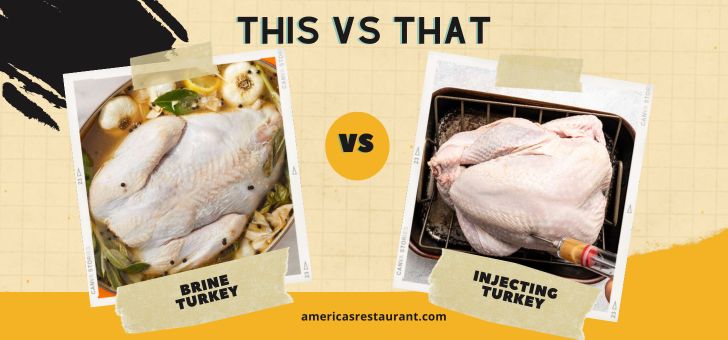
What is Brining?
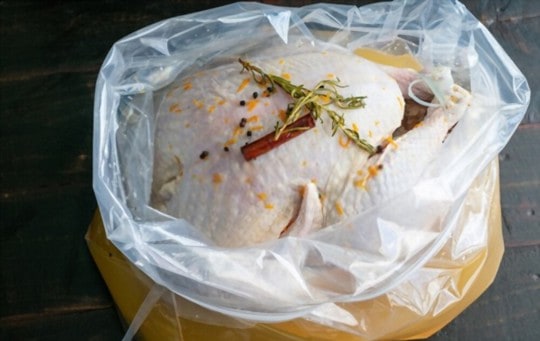
Brining is a method of improving the flavor and tenderness of turkey meat by soaking it in a water and salt solution.
Through osmosis, meat absorbs some of the salty liquid which makes it juicy and flavorful.
The process adds moisture to the bird, helping prevent it from drying out during cooking.
Another significant benefit of brining turkey is that it helps season the meat all through, even deep inside.
As such, you end up with an evenly seasoned turkey that tastes better than normal.
Brining works best for lean meats such as turkey, where adding moisture is desirable.
However, this traditional technique requires ample time since you need to soak the turkey in brine for hours or overnight before cooking.
When brining turkey, ensure that you properly rinse off any excess salt on the bird's surface after removing it from the brine solution before cooking.
This eliminates any chances of making your meal too salty.
Bright citrus notes can complement brining flavors; lemon dessert pairings list shows how lemon combines with other flavors.
What is Injecting?
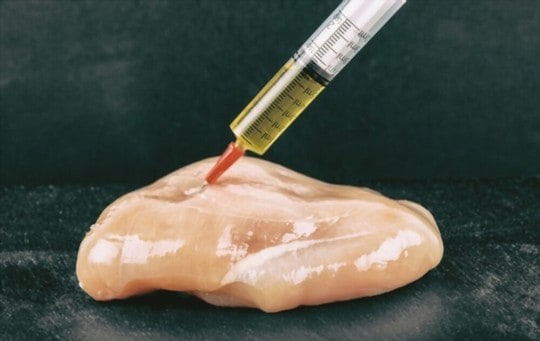
Injecting is a method of adding flavor and moisture to meat that involves using a syringe or special tool to inject liquid directly into the meat.
This liquid can be anything from stock to butter to spices, and it's typically injected into the meat in multiple places to ensure even distribution.
Injecting can be particularly effective for larger cuts of meat like turkey, as it helps to keep the meat moist during cooking and results in a more flavorful end product.
When injecting turkey, it's important to use the right amount of liquid and to inject it evenly throughout the bird.
The needle should be inserted at an angle so that the liquid is delivered deep into the meat, and care should be taken not to pierce any bones or other unwanted areas.
Many people like to create their own injection recipes using ingredients like garlic, lemon juice, and soy sauce, but there are also plenty of pre-made injection marinades available for purchase.
In addition to helping keep the turkey moist during cooking, injecting can also help cut down on overall cooking time since the added liquid helps conduct heat more effectively.
However, it's important not to overdo it with injecting, as too much added moisture can result in soggy skin or overall mushiness in the finished turkey.
As with any cooking method, it's important to experiment and find what works best for your individual needs and preferences.
Think about bold pairings when composing injectates; what to eat with guacamole combos illustrates flavor pairing principles.
Differences Between Brining and Injecting
Brining and injecting are two techniques that add flavor and moisture to turkey.
Whereas brining involves soaking the bird entirely in a saltwater solution, injecting involves inserting a marinade directly into the meat with a syringe.
Both methods have their pros and cons.
Methodology
The chosen approach to prepare turkey can impact its juiciness and tastiness.
The article explores two popular methods, brining and injecting, and compares them on various parameters.
In the next section, we will dig deep into their differences and benefits.
Brining involves soaking turkey meat in a saltwater solution for several hours before cooking.
In contrast, injection requires injecting a marinade directly into the turkey's muscles with a syringe.
While brining works by diffusing salt into the bird's flesh slowly, injections penetrate deeper to flavor it evenly.
Also, injections are ideal for large turkeys that may not benefit much from brining due to uneven distribution of the brine solution.
It is essential to note that both approaches have advantages and disadvantages, depending on factors such as time constraints and personal preferences.
However, one significant aspect of choosing between these two methods is texture- if you desire moist meat with pronounced flavors running through every bite, marinating is your best bet; however, if you prefer the taste of pure turkey meat without any additional flavors or tenderizing agents, dry rubs can be preferable.
To sum up, both brining and injecting can deliver excellent results when done correctly- it all comes down to what tickles your palate.
Flavor Distribution
The distribution of flavor is a important factor when it comes to cooking turkey - learn the extract vs flavor comparison explained.
It can be achieved via various methods, including brining and injecting.
Both techniques aim to achieve optimal moisture retention while cooking, but they differ in their execution and outcome.
When brining a turkey, it is submerged in a saltwater solution for several hours or even days.
The saltwater diffuses into the meat, expanding the muscle proteins and trapping water molecules within it.
As a result, the meat becomes tender, juicy, and flavorful throughout.
However, brining takes more time than injecting, which may not be ideal for those who prefer a quick cooking process.
On the other hand, injecting involves using a syringe to directly insert flavorings like herbs, spices or marinades into the turkey's muscles to distribute flavor evenly throughout the meat.
The technique provides quicker results than brining as it doesn't require hours of soaking time but may result in less consistent flavoring if not distributed thoroughly and evenly.
Ultimately, both methods can produce juicy and flavorful turkey meat when executed correctly.
Therefore choosing between them depends on personal taste preferences and timing needs during cooking rather than which is best overall strategy.
Moisture Retention
The preservation of moisture in turkey is important for the enjoyment of a juicy and tender meal.
The way a cook prepares the meat will determine whether it retains moisture or dries out.
There are different methods of preserving moisture, including brining and injecting.
Brining involves soaking turkey in a saltwater solution to let it absorb moisture.
On the other hand, injecting uses syringes to infuse solutions such as broth and marinades directly into the meat.
Injected turkey has more concentrated flavors since it penetrates deeply, while brining is suitable for uniform seasoning.
Brine solution concentration and time are essential factors to be adjusted based on personal preference to guarantee maximum taste satisfaction.
Carefully regulating temperature during cooking also plays a role in maintaining moisture retention.
Overall, both methods yield impressive results if executed appropriately, upholding the turkey's juiciness throughout every bite.
Ease of Preparation
The ease of preparation is a important factor to consider.
Here are some points showing the ease of preparation through brining or injecting a turkey:
- Brining requires more planning as the meat has to sit in brine for several hours before cooking.
- Injecting is more simple and quicker compared to brining, requiring only minutes to complete.
- Both methods require some level of preparation such as mixing and heating brine or seasoning for injection.
- Cooking time may vary depending on the method used but does not significantly impact the ease of preparation choice.
Regardless of which method you choose, both brining and injecting can yield deliciously moist and flavorful turkeys.
Understanding which method works best for your culinary skills and time constraints can make all the difference in preparing a perfect holiday meal.
Benefits and Drawbacks of Brining
Brining is a popular method of preparing a turkey for Thanksgiving or any other holiday meal.
It involves submerging the turkey in a saltwater solution for several hours before cooking it.
But what are the benefits and drawbacks of using this method?
- Benefits:
O Saltwater brine helps to keep the turkey moist and tender during cooking.
The flavors of herbs, spices, and other ingredients can be infused into the bird through the brine - even citrus peels; see boiled grapefruit and lemon peel benefits for aromatic uses.
O The resulting juices and drippings can be used to make delicious gravy.
- Drawbacks:
O Brining requires advance planning, as the turkey must soak in the brine for several hours before cooking.
O The large container needed to hold the turkey and brine can take up valuable fridge space.
O The bird may end up tasting too salty if not rinsed properly after removing it from the brine solution.
While brining offers many benefits, there are some unique details that should also be considered.
For example, some experts suggest that injecting a marinade directly into the turkey meat may be a better option than submerging it in a brine.
Also, some cooks prefer to dry brine their turkeys by rubbing them with salt and seasonings instead of soaking them in liquid.
Ultimately, both methods have their pros and cons, so it's up to individual preference for which method to choose.
Benefits and Drawbacks of Injecting
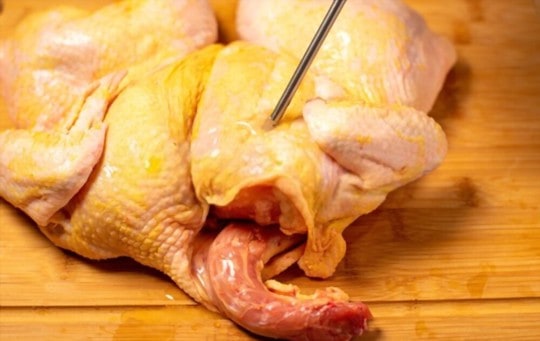
Injecting is a popular method of adding flavor to the meat.
However, with its benefits come certain drawbacks that should be considered before making a decision.
Injecting allows for even distribution of flavors, but can leave holes in the meat and requires special equipment.
It can also cause uneven cooking if not done properly.
On the other hand, brining is an alternative method that involves soaking the turkey in a saltwater solution overnight.
This method adds moisture and flavor throughout the bird and doesn't require any special equipment.
However, it takes longer and requires more prep time than injecting.
It's important to consider your own preferences and experience before deciding which method to use.
Both have their pros and cons, so it ultimately depends on what kind of flavor and texture you're looking for in your turkey.
Which Method is Best for Turkey?
Many people wonder which method of seasoning is the best.
While there are several options available, two popular methods include brining and injecting the bird.
But which one should you choose? Each technique has its own merits and can provide delicious results, depending on personal taste and preference.
Brining is a process where the turkey is soaked in a saltwater solution for several hours before cooking.
This method imparts moisture into the meat, resulting in a tender and juicy bird.
It also allows for the flavors of any herbs or spices in the brine to seep into the meat, improving its overall taste.
On the other hand, injecting involves using a special needle to inject flavorful liquid directly into the turkey's muscles.
This method allows for more precise flavor distribution and can result in a juicier bird than simply seasoning on the surface.
While both methods have their advantages, it ultimately comes down to personal preference.
For those who prefer a more subtle flavor with extra moisture, brining may be preferred.
Those who prefer bold flavors with less preparation time may opt for injection.
In either case, make sure to properly prepare your turkey before cooking by cleaning and removing any excess fat or giblets.
And don't forget to use a meat thermometer to ensure that it is cooked safely and thoroughly.
Tips for Brining or Injecting Turkey
Brining or injecting turkey is an essential step towards flavoring and tenderizing your poultry.
It can be overwhelming to decide which method of adding moisture to the bird delivers the best results.
Therefore, it's essential to understand the pros and cons of both methods and choose the right one based on your preferences.
- When brining turkey, use a good quality kosher/sea salt without any iodine or anti-caking agents.
- Adjust the brining time according to the size of your bird. Generally, for every pound of turkey, you should brine it for an hour.
- While preparing the brine solution, add herbs and spices according to taste as these will infuse flavors in your turkey.
- Make sure you rinse off excess salt before cooking as salt tends to over-flavour food quickly.
- While injecting turkey, select a good quality meat injector that has sharp needles that make it easy to penetrate into all parts of the bird.
- Avoid using too much force while injecting as this may damage delicate muscle tissues in the poultry leading it to lose its texture.
For an elevated taste experience, try experimenting with various combinations of spices and liquids such as apple cider vinegar or maple syrup.
Ultimately, both brining and injecting make an impactful impression on taste when done correctly.
Adjust brining time to bird size - turkey breast vs whole turkey comparison helps match timing to the cut.
Best Method: Brining or Injecting Turkey
The optimal method of preparing turkey depends on individual preferences.
While brining and injecting are both effective ways to add moisture and flavor, each has unique advantages.
Brining produces a uniformly seasoned bird with juicy meat, while injecting offers more precise seasoning control and faster cooking times.
It is important to consider factors such as time constraints, desired flavor intensity, and personal taste before deciding which method to use.
Ultimately, the choice between brining and injecting comes down to individual preference and culinary goals.
Tom and hen choices influence bird size and flavor; Tom turkey vs hen comparison outlines those differences. Wild Turkey vs Jack Daniel's comparison examines whiskey styles that pair with richer preparations.
Frequently Asked Questions
Differences Between Brining and Injecting Brining and injecting are two techniques that add flavor and moisture to turkey. They share some similarities but each has qualities that make it better suited for certain recipes.
Brine tends to produce more consistent results with basic kitchen equipment. Injecting Turkey may need specialized tools but can deliver standout results when done right.
Nutritional differences exist but are often minor in typical serving sizes. Neither is universally healthier - it depends on what specific nutrients or dietary goals you are focused on.
Once opened, one keeps better in the refrigerator with proper sealing. The other may oxidize or separate more quickly, so using it promptly or in smaller quantities works better.