
In the great snack debate, empanadas and pastelitos are top contenders.
Both hail from the world of flaky, stuffed pastries. The key lies in their fillings and dough.
Our grandmas argue about which is superior. The truth?
They're both stars in their own right.
Pastelitos, with their sweet or savory goodness, win hearts. Meanwhile, empanadas are the hefty cousins, packed with meat, veggies, or cheese.
Ever bitten into an empanada, dreaming it was a pastelito? We sure have.
It's a common snack mix-up.
Now, we're here to clear the air. No more snack identity crises on our watch.
What are Empanadas?

Empanadas are a type of pastry that is commonly found in Latin America, Spain, and Portugal.
They consist of thin dough filled with savory or sweet ingredients such as meat, vegetables, cheese, or fruit.
The dough is folded over the filling and sealed by pressing the edges together, forming a half-moon or crescent shape.
Empanadas can be baked or fried and are often served as an appetizer or snack.
In contrast to pastelitos, which are smaller and usually have a flakier texture due to the use of puff pastry dough, empanadas have a thicker and more substantial crust.
Also, pastelitos often have sweeter fillings like guava paste while empanadas tend to be more savory.
There are many regional variations of empanadas with different shapes and fillings.
For example, Argentine empanadas are typically larger than those found in other countries and can sometimes include egg as a filling ingredient.
Chilean empanadas often contain ground beef or chicken mixed with onions and raisins.
Overall, regardless of their variations, empanadas remain a popular staple throughout Latin America and beyond due to their versatility and delicious taste.
For dessert lovers pairing citrus notes with sweet empanada fillings, lemon in desserts pairing ideas lists nine complementary flavors.
What are Pastelitos?

Pastelitos are a type of Latin American pastry that are popular in many countries.
These small, handheld treats are typically filled with sweet or savory ingredients and have a flaky crust.
Pastelitos can be enjoyed as a snack, dessert, or part of a meal.
- Pastelitos are similar to empanadas but smaller in size.
- They are typically fried or baked.
- Sweet pastelitos often contain guava paste while savory pastelitos can be filled with beef, chicken, cheese, or vegetables.
These delicious pastries are an important part of Latin American cuisine and can be found at bakeries and food stands across the region.
They are easy to eat on-the-go and provide a flavorful taste experience.
Overall, pastelitos are a tasty and convenient snack or meal option that offer something for everyone's taste preferences.
Whether you prefer sweet or savory flavors, there is sure to be a pastelito filling that will satisfy your appetite.
For snack pairings that go well with fried pastelitos, guacamole pairing ideas for snacks suggests combos that balance rich, flaky pastries.
Differences Between Empanadas and Pastelitos
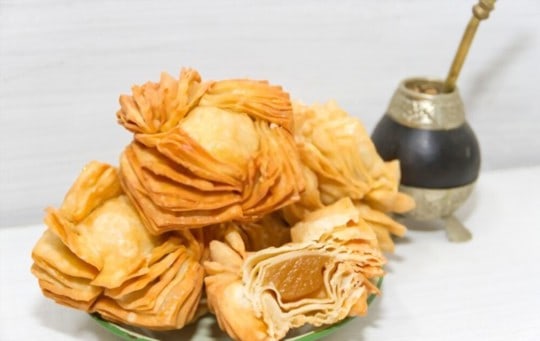
Empanadas and pastelitos are two popular Latin-American snacks that share a lot of similarities.
However, there are a few differences between the two that set them apart - see empanadas vs calzones comparison details for a similar breakdown.
Origin and Cultural Influences
Empanadas and Pastelitos are popular Latin American snacks that have cultural significance.
These tasty bites have been influenced by a combination of European, African and Indigenous cultures.
Both Empanadas and Pastelitos are believed to have originated in Spain during the middle ages, where they were known as Empanadillas and Pasties, respectively.
However, they were later introduced to Latin America through colonization.
Today, each country has its unique variation of these snacks due to inherent cultural differences.
Empanadas and Pastelitos may look similar, but there are slight differences in their preparation and filling.
Empanadas are made with a wheat flour pastry that is folded over the filling in a half-moon shape whereas Pastelitos use puff pastry that is folded like an envelope around the filling.
The fillings for both vary depending on preferences or regional traditions, but generally Empanadas have savory fillings while Pastelitos are sweet.
These snacks can also differ depending on language use in certain regions of Latin America.
For example, in Argentina, Empanadas usually refer to savory pastries only while in other Spanish speaking countries like Mexico or Chile the word 'Empanada' could also refer to sweet pastries.
Dough and Fillings
The dough and fillings are critical components in distinguishing between the popular Latin American snacks, empanadas and pastelitos.
Both may seem similar at first glance, yet their differences lie in the ingredients used to make their unique dough and fillings - compare dough vs batter comparison guide to see how textures and techniques differ.
Empanada dough typically includes flour, water or milk, fat, salt and sometimes eggs or vinegar.
The fillings may include meat, vegetables or cheese seasoned with spices like cumin or paprika.
On the other hand, pastelitos consist of a pastry filled with sweet or savory flavors such as guava paste or beef picadillo and are made from buttery puff pastry dough that is layered with butter then rolled out thin before shaping.
While empanadas have their origins in Spain and are widespread throughout Latin America, pastelitos are primarily associated with Argentina.
This tradition originated from the Spanish who brought empanadas with them to Argentina during colonization but then transformed it into something new by using puff pastry dough instead of typical empanada dough.
Size and Shape
Empanadas and pastelitos differ in their size and shape.
Empanadas are typically larger and have a half-moon shape, while pastelitos are smaller and have a triangular shape.
Nevertheless, these differences may vary depending on the region or countries where they are found.
To illustrate further, empanadas can be about 10-15 centimeters in diameter and can have various shapes such as round, triangular, or square.
Also, empanadas can have different edges like crimped or twisted.
Meanwhile, pastelitos can be around 7-10 centimeters and also have variations of shapes from triangular to rectangular.
Interestingly, some countries use empanada and pastelito interchangeably, while others classify these two as entirely different.
For instance, in Venezuela, an empanada is smaller than its Argentine counterpart but bigger than a typical Colombian empanada.
In contrast, the baked Ecuadorian empanadas called 'empanadillas' share more resemblance with Cuban pastelitos than with any other empanadas.
In summary, the size and shape of empanadas and pastelitos could vary depending on cultures worldwide.
These differences sometimes overlap in significant ways that blur the distinctions between these two delicious treats.
If looking for more small, handheld savory options, vegan tapas recipes for handhelds offers bite-size ideas that mirror pastelito portioning.
Cooking Method
The distinctive factor between Empanadas and Pastelitos is not only their ingredients but also their cooking approach.
While Empanadas are generally baked or fried, Pastelitos are specifically deep-fried.
The cooking method varies due to the difference in the amount of dough used in each dish.
Less dough is typically used in frying Pastelitos for a crispy outlook, while Empanadas require more dough and can be easily baked while maintaining the crispness on the outside.
When adjusting frying or finishing flavors, white cooking wine vs vinegar comparison explains how each will change taste and acidity.
Similarities Between Empanadas and Pastelitos

Both Empanadas and Pastelitos are delicious tempting Latin American pastries.
They have a similar name, crispy exterior, and filling that is often savory.
These culinary delicacies are also portable, making them ideal for on-the-go consumption.
However, despite their similarities, there are some differences between the two pastries - reviewed further in empanadas vs beef patties comparison notes for how fillings and form change across snacks.
Primarily, the dough used in empanadas is made from wheat flour and sometimes cornmeal, while Pastelitos use puff pastry made from butter and flour.
Also, the fillings of empanadas vary more widely than pastelitos.
Empanadas often feature seasoned beef and vegetables or cheese filling whereas pastelitos commonly have sweet fillings like guava or cheese.
Finally, both these delicious treats come in different shapes and sizes all over Latin America.
Whether you decide to munch on a savory bite-sized pastry shaped like half-moon (Empanada) or a flaky turnover style pastry (Pastelito), your palate will thank you.
Regional Variations and Popular Fillings
Empanadas and pastelitos are beloved savory snacks with various regional variations and popular fillings.
While both dishes may look similar, they differ significantly in their pastry crusts, shapes, and fillings.
Empanadas, an essential part of Latin American cuisine, feature a thick crust folded into a half-moon shape and filled with meats like beef or chicken, vegetables such as potatoes or sweet corn, and cheese.
In contrast, Pastelitos are smaller and typically have a flaky crust that is twisted into crescent shapes.
Pastelitos are most commonly found in Spanish-speaking regions like Spain or Latin America and can be sweet or savory.
The filling options for pastelitos include guava paste or dulce de leche for the sweet ones, while the savory ones incorporate seasoned ground beef mixed with potatoes or cheese.
Both empanadas and pastelitos have unique variations based on their countries of origin.
For example, Argentinean empanadas often contain raisins and olives in their filling mixtures.
On the other hand, some Cuban variations of pastelitos come with minced meat turning them into meat pies instead of using fillings like cream cheese.
Serving and Enjoying Empanadas and Pastelitos
Knowing the distinctions between Empanadas and Pastelitos is important.
Understanding the differences can improve your cooking experience and help avoid ordering the wrong snack.
- Empanadas often come as a single serving and are widely consumed in Latin America due to their portability.
- Pastelitos are smaller than empanadas and usually come in a pack of two or more; they are popular in Brazil, Mexico, and Cuba.
- Empanadas are stuffed with fillings such as meat, cheese, vegetables, or sweet fruits such as apples and cherries.
- Pastelitos typically have sweeter fillings such as guava and cream cheese or dulce de leche.
- To add an extra layer of flavor to both snacks, try accompanying them with chimichurri sauce for empanadas or powdered sugar for pastelitos.
A unique feature of these delicacies is how they are shaped - empanadas are usually crescent-shaped compared to pastelitos which are square-shaped.
Also, empanadas have a thicker crust that may require more bites to get through than pastelitos.
Knowing the differences between empanadas and pastelitos can make all the difference when selecting your next snack.
Improve your dining experience by exploring new flavors and textures present in different types of these treats.
For specific side dishes that complement handheld pastries, empanadas side dishes list outlines seven tasty pairings to try.
How Empanadas Differ from Pastelitos
Empanadas and pastelitos are two popular Latin American dish variations that have significant differences despite their resemblance.
Empanadas originated in Spain, whereas pastelitos have Brazilian roots in Portuguese cuisine.
Both dishes use various fillings like vegetables, meat, cheese, and more.
However, empanadas are smaller and usually fried or baked, creating a crispy texture.
In contrast, pastelitos are flaky and crispier due to their thin crust made using puff pastry.
While both dishes have similar doughs, pastelitos do not contain cornmeal or baking powder as empanadas do.
As a result, empanadas have a denser texture than the puff-pastry based pastelitos.
For dipping and topping options, sauces for empanadas list catalogs 10 sauces to try. For sides that pair well with handheld pastries, empanada side dish pairings highlights complementary choices.
Frequently Asked Questions
Meanwhile, empanadas are the hefty cousins, packed with meat, veggies, or cheese. They share some similarities but each has qualities that make it better suited for certain recipes.
Consider what result you are after. Empanadas and Pastelitos each have strengths that suit different situations.
Neither is universally better - context decides.
Pricing varies by brand and region, but one is typically more accessible at everyday price points. The other may cost more due to specialization or limited supply.
Is there a best time to use each one?
One shines in applications requiring subtlety and background support.
The other is better when it is meant to be a center.
Matching the right one to its role makes a noticeable difference.