
You're at the grocery store trying to decide on what items you need for a last-minute baking project.
As you reach into the refrigerator, you pause in confusion when you see two similar containers sitting side-by-side: one marked "dough" and one labeled "batter."
That these two components are used for both sweet and savory recipes, but do you really know the difference?
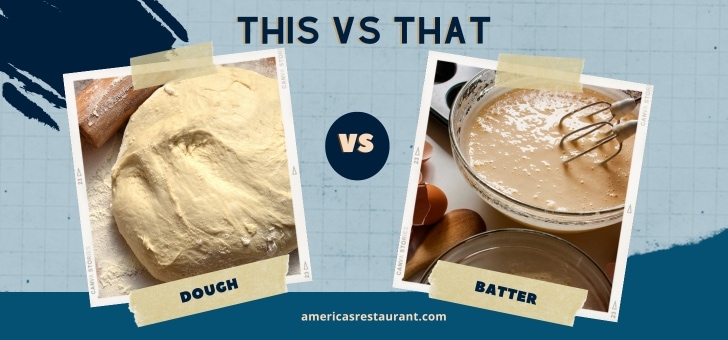
What is Dough?

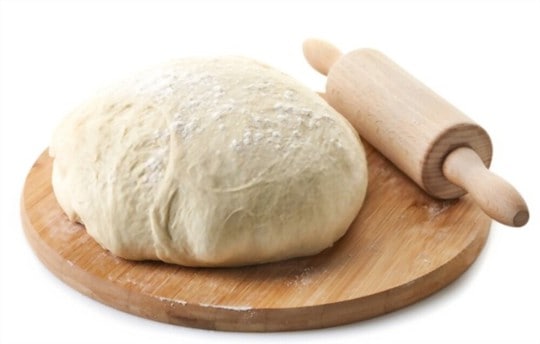
Dough is a thick and malleable mixture of flour, water, yeast, and other ingredients.
It is usually used to make bread, pizza crusts, biscuits, and other baked goods.
The ingredients are mixed together to form a cohesive mass that can be kneaded or stretched to develop gluten strands.
These strands give the dough structure and elasticity, allowing it to rise and hold its shape during baking.
When talking about dough, there are several factors to consider:
- Hydration level (the amount of water in the dough).
- Fermentation time (how long the dough is allowed to rest before being shaped).
- Mixing method (how the ingredients are combined).
Depending on these factors, different types of dough will have different characteristics such as texture, flavor, and the ability to rise.
In terms of texture, some doughs may be soft and pliable while others are stiff and difficult to work with.
Similarly, differences in fermentation time can affect the flavor of the finished product.
Doughs that are allowed to ferment for longer periods of time typically have more complex flavors.
When working with dough, it is important to pay attention to details such as moisture levels and kneading technique.
These factors can impact both the final taste and appearance of baked goods.
When using dough in desserts, consider complementary flavors; what goes well with lemon in desserts lists pairings that brighten baked treats.
What is Batter?

Batter is a mixture made by combining two or more ingredients.
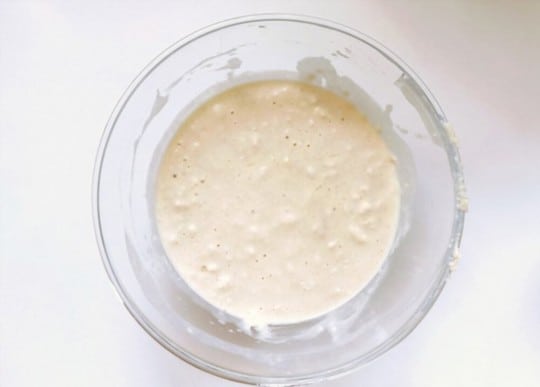
It can be thin or thick and has a consistency similar to cream or yogurt.
Generally used as a base for cakes, muffins, breaded vegetables, and deep-fried foods, the aim is to have a smooth and creamy texture.
To further understand the concept of batter, we can create a table that shows different types of batters and their common uses in cooking.
For example, pancake batter is typically made with flour, eggs, milk, sugar, and baking powder.
Tempura batter, on the other hand, consists of flour and cold water mixed together lightly.
There are various ways to thicken or thin batter depending on the desired outcome.
Adding more flour makes it thicker while pouring in more liquid will thin it out.
The amount of flour added depends on the recipe being followed as well as the type of dish being prepared.
When making batter from scratch for baking purposes such as cakes or muffins it's essential that all ingredients are at room temperature before mixing.
Ingredients like butter should be creamed first to avoid lumps forming in the final product.
In summary, understanding what constitutes batter is important in cooking as it forms part of many recipes for both sweet and savory dishes.
Knowing how to prepare and adjust its consistency according to your desired outcome develops your culinary skills even further.
Batter-fried items often benefit from crunchy dippers; what to eat with guacamole combos suggests dips and sides that pair well with fried batters.
Differences Between Dough and Batter

Dough and batter are two main types of mixtures used in baking.
While their end products may look similar at times, there are some fundamental differences between the two - see funnel cake vs fried dough comparison for a fried-dough perspective.
Dough and batter have noticeable distinctions in terms of their consistency, preparation method, uses, rising time requirements and the amount of physical effort required.
Overall, dough is usually stiffer and drier than batter.
Dough can typically be manipulated by kneading or rolling it with a rolling pin.
It is used mainly to create breads, pastries such as puff pastry or croissants and pasta like ravioli or tortellini.
Batter is runnier and wetter than dough, as it requires whisking or beating.
Batter is ideal for making pancakes, waffles, cakes, and other treats that don't require much structure.
Ingredients Used
The ingredients used in dough and batter are quite different from one another.
While both involve the use of flour, they each have their own unique components that set them apart.
Dough typically consists of flour, water or milk, yeast (in the case of bread dough) or baking powder/soda (in the case of pastry dough), and some sort of fat like butter or oil.
On the other hand, batter tends to include eggs and sugar in addition to flour, water/milk, and fat.
The addition of eggs in batter helps to bind everything together and give it a smooth consistency.
It also contributes to the rich flavor and color.
Sugar is added to create a sweeter product, which works well for things like pancakes or waffles.
Overall, understanding the differences between the ingredients used in dough versus batter can make a big difference when it comes to baking.
Each has its own unique composition that affects its final result.
Consistency and Texture

Consistency and Texture of dough and batter are two different characteristics that set them apart from each other.
While dough is known for being tough and firm, batter is usually thin and liquid-like in consistency.
Dough is often used to create baked goods such as bread, while the batter is used to make pancakes, waffles, or even cakes.
As you can see from the table above, dough has a higher firmness level than batter because it contains less liquid.
Flour plays a significant role in making dough firm due to gluten content that develops when flour is mixed with water.
Gluten makes the flour stretchy and gives it structure allowing it to rise in the oven better.
On the other hand, the elastic nature of batter allows it to flow smoothly into containers like molds or pans without holding onto its shape.
The consistency of batter may range from thin to thick and is determined by the ratio of dry and liquid ingredients added to it.
Achieving creamy textures in batters or fillings can borrow techniques from dips; vegan hummus recipes for creamy texture demonstrates ways to create smooth consistency.
Cooking and Baking Methods
The difference between dough and batter doesn't just lie in their consistency and texture.
It also has a significant impact on the cooking and baking methods used.
1 - Cooking Method:
Dough-based foods, such as bread or pizza crusts, are typically baked in an oven.
The heat from the oven causes the dough to rise and become crisp on the outside while remaining soft on the inside.
Batter-based foods, like pancakes or waffles, are generally cooked on a flat surface like a griddle or frying pan.
The batter is poured onto the surface and cooked through until it becomes fluffy and golden brown.
2 - Baking Method:
Dough-based foods tend to require more time in the oven as they need to rise and cook through properly.
On the other hand, batter-based foods usually bake quicker due to their thinner consistency.
Overall, understanding the cooking and baking methods for each type of mixture is important in creating tasty dishes that come out just right.
In keeping with this natural flow of thought, let's now take a look at some examples of dough-based and batter-based foods.
Different recipes call for specific liquids; for example, a white cooking wine vs white wine vinegar comparison explains when each works best in savory bakes.
Examples of Dough-based and Batter-based Foods
Dough and batter are both essential components in the making of some of our favorite dishes.
Here are a few examples of foods that use dough as their base:
- Bread: The most common use of dough is in the making of bread. It can be used for different types of bread such as white, whole-grain or sourdough.
- Pizza: Dough is also used to make pizza crusts, which can be stuffed with cheese and toppings for a variety of flavors.
- Pretzels: This snack food is made from the twisted dough that is boiled, salted, and then baked.
On the other hand, there are many foods that use a batter as their base such as:
- Pancakes/Waffles: A pancake/waffle batter made from flour, sugar, milk and egg forms its base.
- Crepes: A thin and delicate crepe batter offers flexibility in stuffing for sweet or savory options.
- Fried foods: Batters are perfect for frying items such as onion rings, fish, and chicken wings by making them crispy on the outside while retaining moistness on the inside.
It's interesting to note that while doughs require more effort in handling and shaping than batters do; batters often need to be poured or folded rather than shaped by hands-it all comes down to how they will be cooked.
It's also fascinating to think about how we often look at certain recipes using dough or batter interchangeably and not necessarily notice the difference between how they could have been made otherwise.
I think it's exciting to experience these minute changes between the two ingredients as it adds new flavor and texture dimensions to the dish.
Textures and flavors vary by cuisine; hibachi delights taste guide highlights how preparation affects the final mouthfeel of items cooked on a flat grill.
Similarities Between Dough and Batter
Dough and batter, though different in their composition and usage, share some similarities when it comes to food preparation.
Here are some of the similarities between these two mixtures.
One similarity is that both dough and batter can be used to make a variety of foods such as bread, pastries, pancakes, waffles, and cakes.
Whether you prefer crispy and crunchy or soft and fluffy textures, there are plenty of options available using either dough or batter.
Another similarity is that both dough and batter require the use of similar ingredients such as flour, sugar, eggs, milk or water, along with added flavors depending on the dish you're making.
While the ratios may vary according to the recipe, most baked goods start with a combination of these basic ingredients.
When mixing dough or batter by hand or machine, it's important to handle them carefully so as not to overwork them.
Both mixtures need to be left to rise for a certain amount of time at a specific temperature before cooking or baking.
This process allows yeast or other leavening agents found in doughs or batters to activate properly.
Along with their similar recipes and preparation techniques, doughs and batters also share some common characteristics.
For instance, both need careful handling when being shaped into their final form before cooking or baking.
And once cooked or baked these foods take on a delicious golden-brown color indicating that they're ready to be enjoyed.
Techniques overlap across preparations - a rolling vs stretching pizza dough comparison shows how different handling methods change final texture.
Which One Should You Use?
There are a few factors to consider.
As you can see from the table above, there are quite a few differences between dough and batter.
When deciding which one to use, consider what you are making and how you want it to turn out.
Do you need a more solid texture that can be formed into specific shapes? If so, dough is your best bet.
However, if you want a runnier mixture that can be poured onto a griddle or pan for quick cooking, then batter is the way to go.
It's also important to consider how each mixture will behave during cooking.
Dough requires longer baking times at higher temperatures, while batter is typically cooked with shorter cooking times at lower temperatures.
Ultimately, the choice between dough and batter comes down to your specific recipe and desired outcome.
When to Use Dough vs Batter in Recipes
It's important to know the difference between these two so that you can choose which method of preparation works best for your recipe.
If you're making something that requires kneading or rolling out (like pizza dough) then you'll want to go with a dough recipe.
But if you're making something that needs to be poured (like pancake batter) then it's best to use a batter recipe.
The decision of whether to use dough or batter depends on the specific recipe you're using.
Both can be delicious when executed properly - it just comes down to knowing which one will work best for your particular dish.
How Long Does Dough Last? Does Dough Go Bad? explains shelf-life considerations for prepared doughs. How Long Does Dough Last? Does Dough Go Bad? Chocolate chip cookie dough bars recipe offers a sweet use for excess dough.
Frequently Asked Questions
In this blog post, we'll be unraveling the mystery behind dough vs batter: from their key ingredients to how they differ texturally. They share some similarities but each has qualities that make it better suited for certain recipes.
In many recipes, yes. Dough and Batter fill similar roles, though each brings its own character.
Try a small test batch before committing to a full swap.
Availability varies by region. One is usually a standard grocery store item while the other may require a specialty or international market depending on where you live.
Can a beginner tell the difference by taste?
In a side-by-side tasting, yes.
The difference becomes less obvious when mixed into a recipe with other ingredients.
Most people notice the distinction more clearly on its own.