
Dough can be made differently according to its intended purpose; some types of dough are used to make bread, while others may be used for pastries and even pizza.
Depending on the ingredients that were added when preparing the Dough, it can last for a short time or a long while.
When preparing Dough, a question can arise of how long does Dough last? Your Dough can only last for hours if you leave it in the pantry or open space.
However, your Dough can last from three to five days when stored in the refrigerator.
Frozen Dough can last from one to three months.
You should also be concerned about bad Dough and dispose of it immediately because it will no longer be fit for human consumption and can lead to stomach upset when eaten.
You can tell your Dough has gone bad if it suddenly changes its usual smell to a foul one or if you can see growing moulds on it.
Dough Storage and Freshness
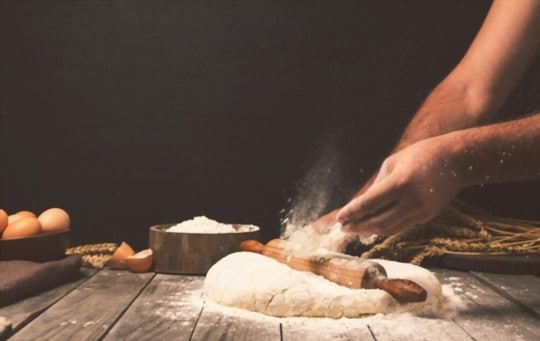
Yes, dough goes bad.
However, the shelf life of Dough depends on several things, including the ingredients used to make the Dough and its storage method.
When placed in the pantry, standard Dough can last for at least twelve hours because there is nothing in the Dough that can go rancid very fast.
On the other hand, milk or egg-based Dough lasts a shorter while than the standard Dough, as the additional ingredients will grow bacteria, making it go bad very fast.
There are ways you can make your Dough last longer by keeping it in the refrigerator - like turning extra dough into chocolate chip cookie dough bars recipe that store well.
Storing your Dough in the refrigerator can extend its shelf life, as it will automatically slow down its rising rate.
Dough placed in the refrigerator can last for at least three to five days.
It is also advisable to check on your Dough regularly to see how it is rising if you want to use it sooner.
You can use your Dough directly after removing it from the refrigerator, or you can knock it down and place it to rise at room temperature before using it.
Storing your Dough in the refrigerator can be an added advantage as it will improve your bread or cake's flavour and texture.
The Dough can be frozen, as its constituents or flavours will not be compromised.
A standard dough can last up to three months, while the Dough containing other ingredients can only last up to a month.
To appropriately freeze your Dough, you are required to knead it and let it rise, as usual, then shape it and store it in a convenient container in the freezer.
The Dough goes bad over time.
As the bacteria starts forming, the Dough starts to produce patches of moulds that are very poisonous.
Avoid using Dough that has already gone bad, and make a fresh one instead.
How to Tell if Dough is Bad?
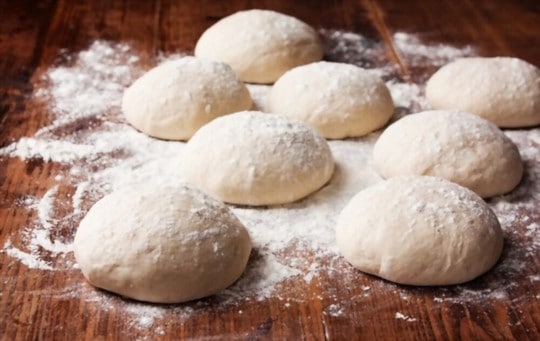
There are several ways that you can use to tell if your dough has gone bad.
- Bad dough will have a horrible smell. The smell arises from the harmful bacteria that have started forming in it. Smelling and observing the dough are the easiest ways to determine if your dough is bad. This is because the first thing you will notice when your Dough has gone bad is the change in smell. .
However, you must be keen on ruling out bad Dough through smell because dough can also change its smell as the fermentation process escalates.
How a Himalayan salt block holds up depends on use and care: Himalayan salt block shelf-life guide. Sandwich longevity varies by filling and storage conditions: sandwich shelf-life safety tips.
- Another indication that it is time to get rid of your dough is if you notice some visible mold growth on it. Mold on dough is as a result of the rapid development of bacteria that will cause the occurrence of molds. This will make the Dough unusable and must be thrown away immediately. .
- Consequently, you can tell if your dough is bad by tasting it. The taste of dough changes if the dough stays for too long without being stored properly, indicating that it has gone bad. If you notice an unusual or funny taste in your dough, quickly get rid of it, as dough is most likely to go bad due to overstaying.
Frequently Asked Questions
Dough can be made differently according to its intended purpose; some types of dough are used to make bread, while others may be used for pastries and even pizza. Depending on the ...
Look for changes in color, texture, or smell. Mold, an off odor, or a slimy surface are the clearest signs it has spoiled and should be discarded.
Freezing extends shelf life but can affect texture. Ingredients with high water content often become softer after thawing.
This matters less in cooked dishes than in raw applications.
Yes. Early spoilage can be subtle - a slight change in color, a faint off-smell, or minor texture changes are easy to overlook.
Inspect closely before using anything near its limit.