
In the epic showdown of rice varieties, two contenders emerge: Bomba and Arborio. We're pitting these grains head-to-head.
What sets them apart isn't just the dishes they star in.
Bomba rice absorbs water like a sponge without getting mushy, a true marvel in paella. Arborio, on the other hand, brings creaminess to risotto that's just unbeatable.
Each has its superpower.
I once made the mistake of swapping them. My risotto was more "crunch-tastic" than creamy.
Lesson learned.
Now, we're here to clear the air, with facts and a chuckle or two.
What is Bomba Rice?
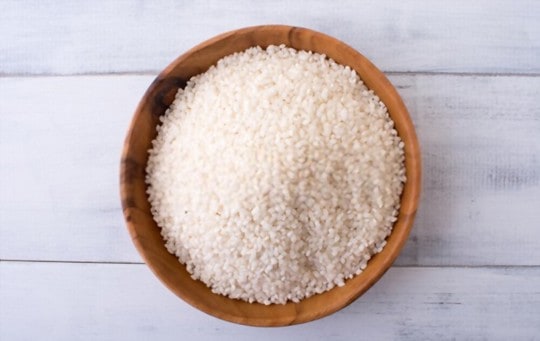
Bomba rice, a type of Spanish short-grain rice, is known for its unique ability to absorb liquid while maintaining its shape.
This means it can be used to create paella dishes with a perfectly cooked outside layer and a slightly al dente interior.
Typically grown in the Valencia region of Spain, Bomba rice has a higher starch content than other types of rice, giving it a nutty flavor and providing an excellent texture when cooked.
Due to its high quality and unique characteristics, Bomba rice is considered one of the best options for use in traditional paella recipes.
What is Arborio Rice?

Arborio rice is a short-grain rice with high starch content, lending a creamy texture when cooked.
It has an elongated shape and an ivory color that turns into a golden hue when cooked.
Arborio rice, commonly grown in the Po Valley of Italy, is typically used to cook Italy's popular risotto - see Arborio vs sushi rice comparison for how it differs from short-grain sushi rice.
When cooked, Arborio rice maintains its signature bite in the center while turning creamy on the surface due to high amylase content.
The high starch content helps absorb liquid and release proteins when cooking slowly and gently over low flame or heat - making sure maximum flavor extraction from vegetables or meat added during the cooking process.
It is imperative to rinse Arborio rice under running cold water before cooking to eliminate excess starch dust.
Also, it is advisable to let it sit for roughly 20-30 minutes after cooking before serving or mixing - this ensures even distribution of flavors throughout the dish.
Differences Between Bomba Rice and Arborio Rice

Bomba rice and Arborio rice have subtle yet significant differences that affect their taste, texture, and suitability for various dishes.
Bomba rice is grown in Spain's Valencia region, while Arborio rice hails from Italy.
Both varieties offer distinct culinary pleasures but possess different starch content and cooking times.
The most significant difference lies in their ability to absorb liquids - a trait that matters in other starch-based dishes too, as explained in glass vs rice noodles comparison highlighting absorption differences.
Bomba rice can soak up almost three cups of liquid per cup of rice, making it perfect for paella and stews.
In contrast, Arborio absorbs around two cups of liquid per cup of rice, making it suitable for risotto dishes.
Origin and Cultivation
Bomba rice and Arborio rice are two prominent varieties of Spanish and Italian rice that differ in their origins and cultivation methods.
Bomba mainly originates from Eastern Spain, where it has been grown for centuries, while Arborio hails from the Piedmont region in Italy.
Bomba is native to Valencia and Murcia regions of Spain, where it is traditionally cultivated using a water-conserving method called "dry farming".
On the other hand, Arborio is extensively grown using flooded fields in the Piedmont region of Italy.
Both types of rice have distinctive characteristics that make them suitable for various dishes.
The Bomba variety is known for its firmness and ability to absorb a significant amount of liquid without breaking down or getting mushy.
Arborio, on the other hand, tends to release more starch during cooking, resulting in creamier risottos.
Interestingly, Bomba rice requires more labor-intensive cultivation methods than Arborio and therefore is rarer and comparatively pricier.
Despite this difference in cultivation practices and prices, what sets these two types of rice apart is their unique composition that adds to their individual strengths when used in traditional Spanish or Italian recipes.
Grain Size and Shape
The morphology of rice grains can affect their end use.
Bomba rice and Arborio rice, different types of short-grain rice, exhibit distinct differences in grain size and shape.
Bomba is pearl-shaped and shorter, resulting in less breakage during cooking.
In contrast, Arborio is plump and elongated and has a higher starch content, which influences its creaminess when cooked.
The size and shape of the grain directly impact the texture and consistency of dishes prepared with them.
As such, it is important to select the appropriate rice for each recipe to achieve desired results.
While Bomba is ideal for paella due to its firmness and impressive absorption ability, Arborio is commonly used for Italian risotto because of its creamy texture.
Further understanding these differences can help take your dishes to the next level.
Remember that selecting the right type of rice can make all the difference in terms of taste and mouthfeel.
Different grain characteristics can also influence paired beverages; grain alcohol vs vodka comparison explains how neutral spirits differ in production and use.
Starch Content
The starch content in different varieties of rice varies depending on the type and classification - for a closer look at how starch behaves versus flour in cooking, see flour vs starch breakdown.
They are both short-grained rice, but the former has a lower starch content compared to the latter.
Bomb Rice has a firm texture that retains its shape when cooked, making it perfect for dishes that require distinct grains.
The lower starch content allows it to absorb liquid more slowly while cooking, making it ideal for paellas.
On the other hand, Arborio Rice has a high starch content that makes it sticky and creamy when cooked.
This variety is suitable for preparing risottos as the dish requires frequent stirring, which encourages the release of starch and creates a velvety consistency.
The differences between these two rice varieties lie not only in their starch content but also in their cultivation methods, flavor, and culinary uses.
Knowledge of these subtle variations can help you choose which type to use for specific recipes that will produce excellent results.
Cooking Method and Texture
Different varieties require distinctive techniques.
Rice is one such grain that demands interest when choosing the type for a particular recipe, and this includes considering its unique characteristics and texture.
Understanding the cooking method and texture of rice is essential to make an ideal dish that exudes color, aroma, and flavor.
Arborio rice and Bomba rice are preferred by many chefs worldwide due to their exceptional taste, texture, and consistency.
Both rice varieties have high starch content compared to other types which makes them ideal for making creamy risottos or paellas.
However, they differ in their respective absorbability of liquid during cooking.
Arborio rice is known for being creamier due to its capacity to absorb more water while cooking.
This makes it an excellent choice for dishes where a creamy consistency is desired like risotto.
On the other hand, Bomba Rice does not require as much water as arborio when cooked since it has a lower absorbency rate due to the denser grain structure.
This characteristic makes it ideal for paella since it can withstand long simmering periods without overcooking.
Both types of rice should be cooked differently since their properties differ so distinctly.
Thus understanding these differences can help one choose the right type depending on what kind of dish they're creating and avoid disappointment in the final product; whether you prefer a creamy or firm texture, selecting the right variety of rice will make all the difference in your cuisine.
Choosing a cooking liquid such as wine or vinegar can shift a dish's profile; white cooking wine vs white wine vinegar comparison clarifies which works best for different preparations.
Flavor Comparison between Bomba Rice and Arborio Rice

Bomba rice and Arborio rice are two commonly used types of rice in making traditional dishes.
Both impart distinct flavors and have unique features, which set them apart.
Bomba is known to absorb a large amount of liquid without breaking down or losing its shape.
This attribute makes it perfect for paellas and other dishes that require a non-sticky texture with separate grains.
On the other hand, Arborio rice has a creamy and sticky texture that works best in risottos, where it slowly absorbs the broth while releasing starch to provide the characteristic creaminess.
The difference between Bomba rice and Arborio rice's flavors lies in their textures and culinary applications - for insight into how concentrated components differ from overall taste, read extract vs flavor distinction explained.
Due to Bomba's harder shell, it retains more flavor as compared to Arborio rice, which tends to lose some of its richness during the cooking process.
Also, since Bomba does not break down while cooking, it retains its nutty flavor even in a heavily seasoned dish.
Its creamy texture allows it to absorb the flavors of other ingredients better than Bomba rice, giving rise to more mellow dishes.
If you prefer an earthy taste that can withstand highly seasoned ingredients' punchy flavors, go for Bomba.
However, if you crave subtle flavors with creamy undertones that balance other elements well, then opt for Arborio rice.
Ultimately both options can improve your cuisine when applied correctly but consider their unique characteristics when deciding which one is best suitable for your recipe.
Common Dishes and Recipes Using Bomba Rice and Arborio Rice
Barcelona's paella arròs is delicious and made with Bomba rice.
On the other hand, risotto alla milanese is best prepared using Arborio rice.
These two short-grain rice varieties are perfect for dishes that require a creamy texture.
Bomba rice, which is grown in Spain, has a higher starch content than Arborio rice.
And this is why it can absorb more liquid without losing its firmness to create rich and flavourful dishes like paellas or brothy stews.
While Arborio rice, from Italy, is preferred in dishes that require more creaminess like risottos.
Even though they are similar, assuming you can use them interchangeably may change the character of your meal - see rice dressing vs dirty rice comparison for examples of how rice choice alters dish identity.
When cooking with Bomba and Arborio rice, remember to start with aromatics such as garlic or onions sautéed in olive oil or butter for excellent results.
Also, you may need to add broth or stock gradually while stirring consistently until both types of grains are cooked perfectly to avoid losing the creamy texture.
Both types of grains have notable differences - while Arborio grains tend to be pearly white and short with rounded chalky edges after cooking; Bomba grains keep their shape and absorb more liquid better while remaining chewy.
Both rice types are used widely in popular cuisines around the world like Spanish Paella and Italian Risotto Milanese so choose wisely.
These pantry staples aren't only limited to their native countries but are also used worldwide every day in home kitchens globally.
Hope this article helped clear some doubts one might have when choosing between these two meals.
Where to Buy Bomba Rice and Arborio Rice?
To acquire Bomba Rice and Arborio Rice, you can visit online grocery stores or order from specialty food shops.
Here are some places to purchase these rice varieties:
- Amazon - Buy in bulk or single packs of Bomba Rice and Arborio Rice from different brands.
- Fresh Direct - Order directly from FreshDirect's online store for next-day delivery service.
- Walmart - Purchase rice grains for cooking from the popular retailer's online platform.
- Mediterranean-style markets - Visit a Mediterranean market close to your location for fresh supplies of authentic Bomba and Arborio rice.
You may also find these rice grains at local supermarkets and gourmet retail outlets.
Not all types of rice are equal, even among similar types.
While both Bomba Rice and Arborio Rice are short-grain rices used for preparing creamy and flavorful risotto dishes, there are differences in texture, taste, processing, and ideal use cases.
Understanding these differences is important in selecting the appropriate variety for your recipes.
Regional rice varieties vary by cuisine; Spanish vs Mexican rice comparison explains how they differ.
Cooking Uses for Bomba Rice and Arborio Rice
Comparing Bomba rice and Arborio rice, the difference is clear.
While Bomba rice absorbs more liquid and has a firmer texture, Arborio rice tends to become creamier when cooked.
Both types are used in Mediterranean cuisine, such as paella and risotto, respectively.
However, Bomba rice is considered superior due to its ability to maintain its texture even after being cooked for a long period.
Choosing the right rice for your dish can improve the flavors and texture of your meal.
Sweet and sushi rice serve different roles in recipes; sweet vs sushi rice differences explains when to choose each. Kitchen equipment also matters for final texture; rice cooker vs steamer comparison outlines how each affects cooking results.
Frequently Asked Questions
Bomba rice, a type of Spanish short-grain rice, is known for its unique ability to absorb liquid while maintaining its shape. They share some similarities but each has qualities that make it better suited for certain recipes.
In many recipes, yes. Bomba Rice and Arborio Rice fill similar roles, though each brings its own character.
Try a small test batch before committing to a full swap.
Availability varies by region. One is usually a standard grocery store item while the other may require a specialty or international market depending on where you live.
Can a beginner tell the difference by taste?
In a side-by-side tasting, yes.
The difference becomes less obvious when mixed into a recipe with other ingredients.
Most people notice the distinction more clearly on its own.