
Every year, millions of BBQ enthusiasts face a common dilemma.
Is it a rub or a seasoning we need?
These are not just fancy words for throwing spices on meat.
A rub is like your meat's best friend, sticking close and giving it a flavorful hug. Seasoning?
It's the casual hello you give your neighbor.
We've all had those moments at the grill, pondering our life choices.
I remember the first time I faced the rub vs. seasoning conundrum. It was a sunny Saturday, and my confidence was as high as the flames on my grill.
Little did I know, I was about to learn a lesson in humility-and flavor.
What is a Rub?
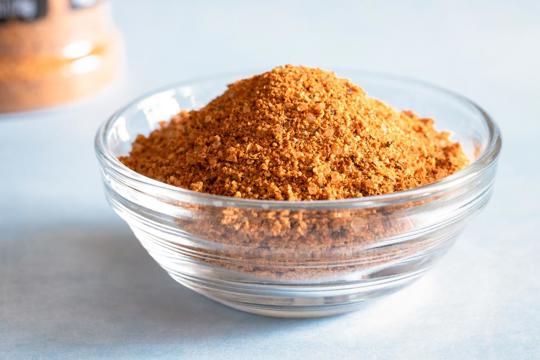
Cooking? Spice it up.
Rubs are a great way to add flavor.
But what are they? A rub is a blend of herbs, spices, and other ingredients that you put on food before cooking.
Rubs have been used around the world for centuries.
Each region has its own traditional rub recipes.
Salt, pepper, paprika, cumin, garlic powder, onion powder, and more are some of the ingredients used.
They mix in specific ratios to create a balanced blend.
Rubs add flavor and texture.
The particles form a crust when cooked.
This adds taste, color, and a crispy texture.
And it's versatile.
Have fun with it.
Combine herbs and spices to create your own unique flavors.
Whether you like it hot or mild - rubs let you customize.
Citrus contrasts well with spice blends in both sweet and savory dishes - lemon in desserts 9 best options shows complementary pairings that inspire new rub ideas.
What is a Seasoning?
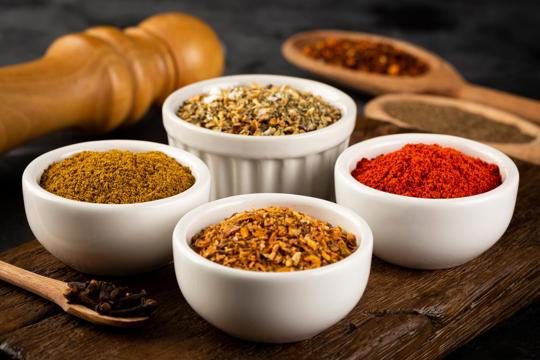
In the realm of treats, seasonings have a special place.
They are like a magical touch that takes a dish from ordinary to extraordinary.
But what are seasonings? They can be described as mixes of herbs, spices, and other ingredients added to food during or after cooking, to enhance flavor.
Like a secret potion, seasonings transform the taste and aroma of a meal, making it more appetizing.
Seasonings come in many forms and combinations.
Some are dry mixes, while others are liquid-based sauces or pastes.
The choice of seasoning depends on the cuisine being prepared and personal preference.
Salt and pepper are basic seasonings used in almost every kitchen.
But there are countless other options, such as garlic powder, paprika, cumin, turmeric, and herbs like basil, thyme, and rosemary.
Even dried fruits like lemon zest can add a citrus twist to a meal.
Both do they add flavor, but seasonings also have an important role in preserving food.
Certain spices and herbs have natural antimicrobial properties, which inhibit bacteria and spoilage organisms.
This extends food shelf life and ensures safety for consumption.
Seasonings can define a whole snack spread - what to eat with guacamole combos highlights complementary flavors worth trying with seasoned dishes.
Differences Between Rubs and Seasonings

Rubs and seasonings are not the same.
Rubs are used to coat meat before cooking, giving a crust full of flavor.
Seasonings consist of herbs, spices, and other ingredients.
These are added during or after cooking, for extra taste.
Rubs give intense flavor, while seasonings allow you to adjust the taste.
Knowing the difference can take your cooking to a new level.
Ingredients Used
Cooking ingredients are key for bringing out flavors.
They are like building blocks that bring out a dish's essence.
Spices, herbs, and other ingredients can make the taste extraordinary.
Matching ingredients can make unique flavors.
Aromatic spices like cumin, coriander, and cinnamon.
Fragrant herbs like basil, rosemary, and thyme are all added for their aroma and flavor.
Different cuisines and personal preference can determine the choice of ingredients.
Salt, sugar, vinegar, soy sauce, and citrus juices all add depth and balance to dishes.
They improve the flavors, and help tenderize meat or balance acidity.
Chefs can create signature dishes with diverse combinations of ingredients.
Fusion recipes, traditional family secrets - the right ingredients make one dish stand out.
Purpose and Application
Rubs and seasonings have different uses in the kitchen.
Rubs are a blend of spices, herbs, and other ingredients rubbed onto the surface of food before cooking.
They add flavor and create a tasty crust when grilled or roasted.
Whereas, seasonings are used to improve the taste of cooked food.
Seasonings such as salt and pepper are common staples.
Herbs and spices may also be used to add unique flavors.
Rubs are mostly used for flavoring before cooking.
Their components are combined to give a delicious flavor that fits the main ingredient.
They can be dry or wet, depending on the desired outcome - see plain flour vs all-purpose comparison guide for how texture changes affect results.
Dry rubs usually have ground spices, herbs, salt, and sugar.
While wet rubs include oil and liquid to provide moisture while adding flavor.
They are used during or after cooking.
For instance, salt and pepper are added to balance out the dish.
Herbs and spices can be used to give unique flavors that go with the ingredients.
Seasoning can be adjusted to personal preference or dietary requirements.
The application of rubs and seasonings is different.
Rubs need time for their flavors to sink in.
They should be gently rubbed into the food and left to marinate.
On the other hand, seasonings like salt and pepper should be added just before serving as they can lose flavor if added earlier.
Texture and Form
Texture and form are important when it comes to rubs and seasonings.
Texture refers to its consistency: fine or coarse.
Form can vary too; from powders to pastes.
These affect the taste and appearance of the dish.
Fine rubs adhere more closely, for an even distribution of flavor.
Coarse rubs provide a textured experience, with bursts of flavor in each bite.
Personal preference and desired outcome determine which to use.
Powdered rubs are sprinkled for an easy application.
Paste-like rubs can be used as marinades or coatings.
They cling to the food, for deeper penetration of flavors.
Different textures and forms bring out different qualities.
Fine powders create a delicate layer on fish fillets.
Coarse pastes add strong flavors to beef roasts.
Different textures also matter in dips and spreads - vegan hummus recipes for texture offers examples of how consistency changes flavor perception.
Similarities Between Rubs and Seasonings
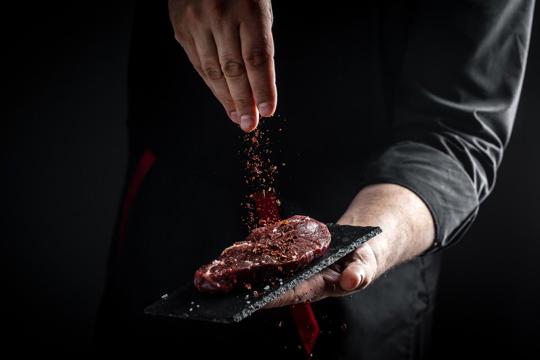
Rubs and seasonings? What do they have in common? One thing: flavor improving.
A blend of herbs, spices, and more comes together to make a tasty dish.
Before or during cooking? Both work.
Plus, tailor to your taste.
No matter which one you use, it'll give your dish a unique yumminess.
Rubs are dry mixtures that go on the surface of meat before cooking.
Let the flavors infuse - mmm delicious.
Seasonings, though? Sprinkle before or after cooking, mix into dressings or marinades, or even as a final garnish.
Creativity abounds - plenty of herbs, spices, and more.
You can craft your own blend - a good match for your dish.
Rubs and seasonings have much in common.
Flavor enhancement, application, and the ability to customize flavors.
Yumminess guaranteed.
Common Types of Rubs and Seasonings
Rubs and seasonings are great for adding flavor to dishes.
Rubs usually have dry ingredients like herbs, spices, sugar or salt.
Common types include barbecue, poultry and steak rubs.
Seasonings often include dry and wet ingredients.
These can be herbs, spices, oils and vinegars.
Rubs are normally applied before cooking.
But seasonings can be added anytime during cooking.
Use rubs and seasonings to make meals yummy.
Barbecue Rubs
Barbecue rubs are an essential part of the grilling and smoking world.
These flavor-packed mixtures season the meats, making them more complex and tasty.
Unlike regular seasonings, rubs create a flavorful crust on the cooked meat.
A good barbecue rub combines herbs, spices, sugar, and sometimes salt or pepper.
All these ingredients are mixed together to give the meat more flavor, without overpowering its natural taste.
These dry rubs are applied generously before cooking.
Barbecue rubs offer deep flavors to meats with slow cooking or smoking - and can replace sauce in many recipes; see barbecue sauce substitutes list for grilling hacks.
As the heat is absorbed, the flavorful blend creates a delicious crust, sealing in juices and making the meat tender and juicy.
The combination of spices and sugar caramelizes on the surface, giving an amazing flavor.
Marinades and brines are similar to rubs, but they differ in their application and purpose.
Marinades involve soaking the meat in a liquid mixture to add flavor and tenderize it.
On the other hand, rubs are applied directly to the meat before cooking.
Herb and Spice Seasonings
Herbs and spices are both used to enhance dishes.
Herbs come from leaves, like basil and parsley, and give off a fresh aroma.
Spices come from other parts of the plant, like bark or seeds.
These include cumin and chili powder.
Cooking with herbs or spices depends on the flavor you want.
Herbs are delicate, so they won't overpower other ingredients.
Fresh basil, for example, can liven up a pasta.
Spices, however, have bold flavors that can make a recipe extraordinary - compare mixed spice vs allspice comparison notes to pick blends that boost a dish.
Cinnamon could make an apple pie fragrant, and cumin could add warmth to a curry.
Herbs have long been a part of traditional cuisines, while spices were used as preservatives during trading routes.
This led to an increased demand for exotic spices like cloves and cardamom.
Blended Seasonings
Blended seasonings: a mix of herbs, spices & flavor enhancers.
Expertly crafted to bring harmony & improve any dish.
Varied ingredients, carefully selected & mixed in the right proportions.
Conveniently add depth & complexity to cooking, no measuring needed.
Dry rubs, liquid marinades, flexible application - grilling, roasting, sauces, etc.
Professional chefs & culinary experts spend hours experimenting with unique blends for an exceptional taste experience.
Savory, sweet, spicy, & aromatic elements that work together.
Enhances flavor & simplifies seasoning process - just a sprinkle or dash for complex flavors, without overwhelming.
How to Use Rubs and Seasonings?
For perfect rubs and seasonings, follow these steps:
- Pick the right one for your dish. Look at the flavors you want to add and what food you're cooking.
- Dry your ingredient with a paper towel. This will help the rub or seasoning stick better.
- Rub or sprinkle your chosen seasoning generously. Cover all sides and massage it in.
- Let it sit for a while. From minutes to hours, depending on the recipe.
- Cook as you prefer- grill, roast, fry. The rub or seasoning will add a tasty crust and flavor.
Plus, some rubs have salt and spices already.
So adjust as needed when adding extra salt during cooking.
Try different combinations to make your own signature flavors.
Pair seasoned proteins with complementary sides for a balanced plate - high-protein sides that don't use meat suggests hearty, protein-rich options.
Rubs vs Seasonings: Usage Tips
Rubs and seasonings are two different ways to add flavor to food.
Rubs are typically dry mixes of herbs, spices, and other ingredients.
You can use rubs when grilling or barbecuing to create a flavorful crust.
Seasonings offer a wider range of uses.
They can flavor soups, stews, salads, and even desserts.
The difference between rubs and seasonings is texture and how you use them.
Rubs are applied directly to the surface of meat, and seasonings are cooked in or added just before serving.
Herbs de Provence vs Italian Seasoning: Key Differences → herbs de provence vs italian seasoning comparison. Adobo Sauce vs Adobo Seasoning: What's the Difference? → adobo sauce vs adobo seasoning breakdown.
Frequently Asked Questions
Some are dry mixes, while others are liquid-based sauces or pastes. They share some similarities but each has qualities that make it better suited for certain recipes.
In many recipes, yes. Rub and Seasoning fill similar roles, though each brings its own character.
Try a small test batch before committing to a full swap.
Availability varies by region. One is usually a standard grocery store item while the other may require a specialty or international market depending on where you live.
Can a beginner tell the difference by taste?
In a side-by-side tasting, yes.
The difference becomes less obvious when mixed into a recipe with other ingredients.
Most people notice the distinction more clearly on its own.