
Scallops are the gems of the sea. Bold?
They pack a flavor punch that could knock your socks off.
Diver scallops and sea scallops aren't just two items on a fancy menu. They bring their own game to the table.
In our years of seafood feasts, we've noticed something. Diver scallops, hand-picked by brave souls, tend to be the sweeter sibling.
They're like the artisanal craft beer of the sea world. Sea scallops?
They're the big guys, harvested by boats and bringing the party in size.
Mixing them up? Easy as pie.
Knowing the difference? useful. We've had dinners turned legendary with the right pick.
This isn't just seafood talk. It's about making every bite count.
What are Diver Scallops?

Ah, diver scallops, a fascinating topic indeed.
These pleasant creatures are bivalve mollusks, with a unique texture and a sweet, buttery flavor that leaves seafood lovers craving for more.
But what sets these scallops apart from the rest? Well, as the name suggests, these little jewels are harvested by skilled divers who scour the ocean floor to gather them - a process that requires both skill and bravery.
Once harvested, these scallops are shucked, and their roe and adductor muscle are carefully cleaned and prepared for consumption.
So, whether you are a seafood connoisseur or just a casual fan, diver scallops are a must-try for anyone looking to expand their palate and indulge in some of the ocean's finest delicacies.
If planning a scallop dish that uses citrus, consider pairing ideas in what pairs with lemon in desserts list for complementary flavor notes.
What are Sea Scallops?
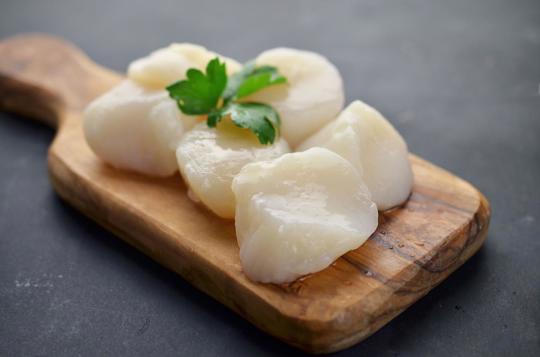
Sea scallops are a type of mollusk that live in the deep sea.
They have two flat, fan-shaped shells that protect their soft bodies.
These creatures are highly prized for their tender meat and sweet, buttery flavor.
They can grow up to 6 inches in diameter and are often fished with dredges or trawls.
Chefs and seafood lovers love sea scallops for their delicate texture and mild taste.
They can be cooked in different ways such as searing, grilling, or baking.
This makes them very versatile and allows for a range of recipes from simple pasta dishes to elegant platters.
One unique feature of sea scallops is their ability to swim.
They do this by rapidly clapping their shells together.
This helps them move through the water and escape predators.
Although they can swim, they usually stay on the ocean floor where they feed on plankton and algae.
For a side-by-side look at two popular white fish, see Chilean sea bass vs branzino comparison guide.
Differences Between Diver Scallops and Sea Scallops
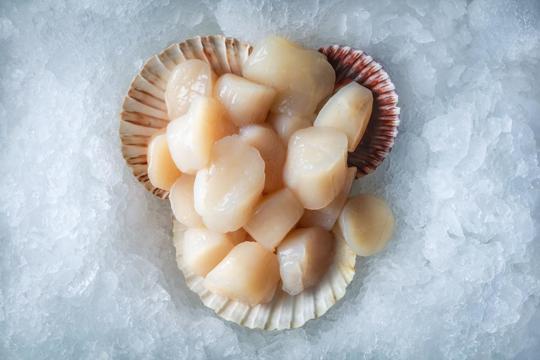
Diver scallops and sea scallops may sound the same, but have big differences.
Hand divers catch diver scallops, while sea scallops are obtained with nets or dredges.
This affects their flavor and texture.
For contrast with smaller scallop varieties, consult bay scallops vs sea scallops comparison.
Harvesting Method
Diver scallops and sea scallops are similar looking, but the way they're harvested is different.
Diver scallops are carefully collected by expert divers who search the ocean floor.
This requires accuracy and skill, maintaining a sustainable harvest.
Sea scallops are gathered using a dredging method.
Boats with dredges, big nets, drag along the sea bed and scoop up the scallops.
This is great for large-scale harvesting, but can damage the seabed system.
One unique thing about diver scallops is that only certain places allow this kind of harvesting, due to depth restrictions and regulations.
This stops overfishing and ensures sustainable practices are in place.
In comparison, sea scallops can be harvested from multiple areas in shallow and deep waters.
But, because they are so popular, proper management strategies are necessary to stop overfishing.
Overall, identifying the differences between diver scallops and sea scallops shows the importance of sustainable seafood practices.
Whether picked by divers or dredged, responsible fishing techniques are essential for keeping marine systems healthy for future generations.
Size and Shape
Diver and sea scallops differ in size and shape.
Diver scallops are usually smaller and more irregular.
They offer a delicate texture and sweet flavor.
Sea scallops, however, are larger and rounder.
They have a plump and juicy appearance.
Plus, their harvesting methods vary.
Diver scallops are hand-dived by experienced divers.
It is a sustainable practice.
Sea scallops, on the other hand, are dredged with heavy equipment.
This method can be damaging to the environment.
In the end, it all comes down to personal preference.
Do you want the small, sweet diver scallop? Or do you prefer the large, meaty sea scallop?
Both offer distinct flavors and textures, so it's up to you.
Flavor and Texture
Scallops are famous for their flavor and texture.
But, what makes diver scallops different from sea scallops? Let's dive deep and find out.
Diver scallops are well-known for their sweet, nutty flavor.
People describe it as rich and buttery.
When cooked, they are tender and juicy.
They offer a mild taste that goes great with all kinds of seasonings and ingredients.
Plus, diver scallops have a firmer texture than sea scallops.
Their consistency is meaty and works well with grilling or searing.
Also, they keep their shape even under high heat, making them great for dishes requiring high temperatures.
Similar in taste and texture, diver scallops have a more pronounced sweetness and tenderness.
These qualities make them perfect for making gourmet recipes or just enjoying as an indulgent treat.
For more on how extraction and concentration change taste, read extract vs flavor explanation.
Availability and Price
Price and availability are both factors when it comes to selecting between diver scallops and sea scallops.
Diver scallops are taken by hand by skilled fishermen, making them pricier due to the labor-intensive harvesting.
They are only available at certain times of the year.
Sea scallops, however, are more commonly accessible and can be found in grocery stores year-round.
While they may be cheaper than diver scallops, they still bring unique flavors and textures to any seafood dish.
Whether you opt for diver or sea scallops, they will bring their sweet taste and tender bite to grilling, searing, pasta, or salads.
The availability and price of these shellfish options make it easy for consumers to explore different cooking experiences and satisfy their seafood cravings.
Similarities Between Diver Scallops and Sea Scallops
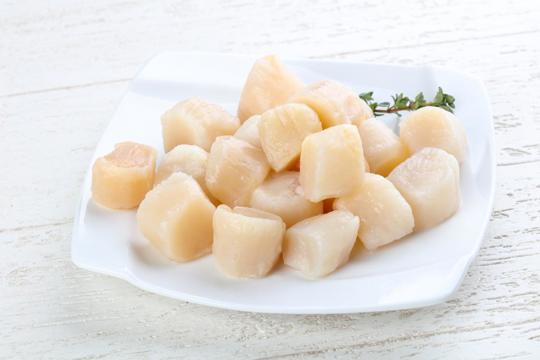
Diver scallops and sea scallops have much in common - they're both from the ocean and are a delicacy.
They boast a sweet, delicate flavor and a soft, tender texture.
Plus, they're both quite large - usually measuring around 2 inches in diameter - giving you lots of servings and a pretty plate.
Cooking these mollusks is easy - sear, grill, or bake for a golden crust and moist inside.
Not to mention, they're packed with protein, vitamin B12, omega-3s, selenium, and zinc.
And these scallops are super versatile.
From creamy pasta to light salads - even ceviche - they add flavor and flair to any dish.
Moisture and handling differences are covered in wet vs dry scallops comparison guide.
Cooking Techniques for Diver Scallops and Sea Scallops
Diver scallops and sea scallops are unique, so their cooking techniques differ.
Diver scallops are sweet and delicate, so they need a gentle touch.
The best way to cook them is a quick sear with minimal seasoning to bring out their flavor.
Sea scallops have a meatier texture and a briny taste.
They can be seared, grilled, broiled, or even used in stews and pasta dishes.
Make sure not to overcook them, or they'll become rubbery.
Season both types of scallops with salt and pepper before cooking.
Lemon juice or wine can be added for acidity and to balance the richness of the shellfish.
Diver scallops look great in elegant dishes, like risotto or veggie purees.
Sea scallops make a great main course, paired with flavorful sauces.
Both diver scallops and sea scallops share some cooking techniques, but their qualities require different approaches.
Experiment with flavors and accompaniments to bring out the best in these delicious seafood options.
For choosing acidity and pan liquids in scallop recipes, consult white cooking wine vs white wine vinegar breakdown.
Where to Buy Diver Scallops and Sea Scallops?
There are many options.
You can get them at seafood markets, specialty stores, and online.
It's important to choose a trustworthy source that offers fresh, sustainably sourced scallops.
Check out local seafood markets.
They often have a large selection of fresh seafood, including various types of scallops.
You can inspect the quality before you buy.
Plus, the staff is usually knowledgeable and can tell you about the origin and handling.
Try specialty grocery stores too.
They focus on quality ingredients and may have a range of seafood.
And you can trust their freshness and sourcing.
Online retailers are convenient.
Many offer overnight or two-day shipping to make sure your order arrives fresh.
Plus, they provide details on source, sustainability, and quality control.
Wherever you get your scallops, prioritize freshness, quality sourcing, and sustainability.
Then, savor the delicious shellfish.
For seasoning considerations when preparing scallops, see rock salt vs sea salt comparison.
Size and Flavor: Diver Scallops vs Sea Scallops
Diver scallops are harvested directly from the seafloor by divers whereas sea scallops are harvested by trawlers.
In terms of taste, many people often prefer diver scallops over sea scallops due to their more delicate texture and sweet flavor.
Also, when considering nutrition, both types of scallop provide impressive nutritional value with generous amounts of protein, omega-3 fatty acids and other important vitamins and minerals.
Ultimately, whether it's diver or sea scallop you choose to include in your recipes or cooking techniques is a matter personal preference.
Either way you can't go wrong, so why not venture out of your comfort zone and give both types a try? Then you can decide which type best suits your needs for texture, flavor and nutrition.
Frequently Asked Questions
They can be cooked in different ways such as searing, grilling, or baking. They share some similarities but each has qualities that make it better suited for certain recipes.
Sometimes. Diver Scallops works where Sea Scallops is called for in certain dishes, but not all.
Check whether the recipe relies on a specific quality before substituting.
Cold preparations like salads and dressings often favor the option with a sharper, more defined flavor. Heat can mellow both, so the distinction matters more in uncooked dishes.
Do professional cooks prefer one over the other?
Professional preference depends heavily on the dish and cuisine style.
Each has its context where it outperforms the other, so most experienced cooks keep both on hand.
Sea cucumber and sea slug differences are explained in sea cucumber vs sea slug comparison. what do scallops taste like guide details scallop flavor notes.