
Summary of key points
The main difference between sea cucumber and sea slug lies in their physical appearance and role in the system. Sea cucumbers have a long, tubular body with a tough outer skin, while sea slugs have a soft, slimy body with no protective shell.
Sea cucumbers are bottom dwellers and play an important role in keeping marine systems healthy by consuming organic matter on the ocean floor. Sea slugs, on the other hand, are found in various habitats and have a diverse diet including algae, sponges, and even other sea slugs.
While both may seem unappealing to some, they are essential parts of our marine systems and serve important purposes.
Sea cucumbers and sea slugs often get mixed up in our heads. They're not the same critter.
Ever peered into a rock pool and spotted something squishy? Was it a sea cucumber or a sea slug?
It's tricky, right? We've been there, squinting, guessing.
Sea cucumbers are like the ocean's vacuum cleaners. Sea slugs?
They're the flashy cousins. Colors? Wild.
We poked one once. It did not poke back.
Here's the skinny: textural party on the outside, different stories on the inside.
Read on. We're breaking it down. No mix-ups. Grab your snorkel.
What is a Sea Cucumber?

Cucumbers of the sea are amazing sea creatures. They have long, soft, cylindrical shapes.
Found at the bottom of the ocean, they play an essential role in keeping marine systems healthy.
Astonishingly, sea cucumbers can regenerate body parts.
If they feel threatened, they can discharge their organs, confusing their predators and fleeing.
This is called evisceration.
Both do sea cucumbers help to keep the sea diverse, they can also benefit humans.
Some species are used in Chinese medicine and they clean the water by filtering materials and waste.
Sea slugs are not the same as sea cucumbers.
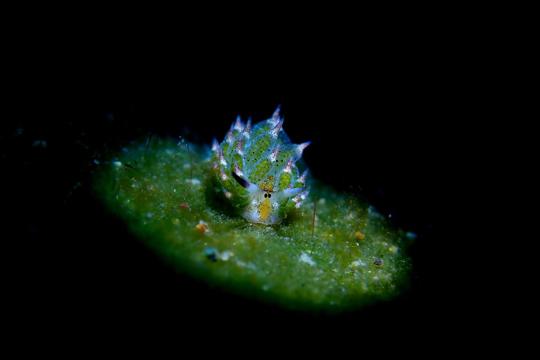
They are gastropod mollusks with slug-like shapes and colorful skin.
They also have different defense mechanisms; sea slugs use camouflage while sea cucumbers use evisceration.
To sum up, sea cucumbers and sea slugs are alike in some ways, but differently in others.
To appreciate the wonders of the sea, we must recognize these differences.
Some species are used in Chinese medicine and they clean the water by filtering materials and waste. Chilean Sea Bass vs Branzino comparison for cooks offers a different seafood perspective.
What is a Sea Slug?

Sea slugs are magical creatures that live in the deep sea.
They are part of the Mollusca phylum and belong to the class Gastropoda, which includes snails and slugs.
Their bright colors and detailed patterns make them popular for underwater photographers.
They come in different sizes and shapes, from just a few centimeters to over 30 centimeters.
Sea slugs have evolved to be able to live in different environments.
This includes coral reefs, kelp forests, and sandy bottoms.
Unlike their land relatives, sea slugs don't have shells to protect them.
So, they have other defenses.
Some have bumpy textures or spiky appendages, while others release toxic chemicals if they feel threatened.
A special thing about sea slugs is that they can take stinging cells from the food they eat and use them as defense.
By keeping these cells from their prey's tentacles or body tissue, they can ward off predators.
Sea slugs also have diverse diets and feeding habits.
Some eat algae or seagrasses, while others eat small crustaceans or other sea slugs.
Some even have mutualistic relationships with photosynthetic organisms like zooxanthellae or symbiotic bacteria.
Sea slugs are amazing creatures that show us the range of adaptations and biodiversity in nature.
Their colors, patterns, and behaviors make them fascinating for divers and marine lovers.
Exploring this hidden world reveals wonders beneath the ocean's surface.
Some have bumpy textures or spiky appendages, while others release toxic chemicals if they feel threatened. Rock Salt vs Sea Salt comparison for kitchen use contrasts another seaside ingredient.
Differences Between Sea Cucumbers and Sea Slugs

Sea cucumbers and sea slugs look alike, but they're different.
Sea cucumbers and sea slugs look alike, but they're different. Sea Bream vs Snapper comparison for fish identification highlights how similar-looking species can differ.
Physical Characteristics
At first glance, sea cucumbers and sea slugs may look similar.
But, they have unique physical traits. Both belong to the marine animal world.
Sea cucumbers are known for their strange, long bodies and soft textures.
They come in many different shapes and sizes.
Plus, they have bumpy projections on their skin called tubercles. These help them move around.
Sea slugs, on the other hand, are captivating with their bright colors and designs.
Some look like flowers, others like leaves.
Their bodies are full of colorful hues that protect them from predators.
Sea cucumbers have respiratory trees inside their bodies that help them breathe.
Sea slugs, though, rely on small sac-like organs called mantles.
Sea cucumbers filter feed.
But, sea slugs use various strategies - from grazing on algae to using their mouthparts to prey on other animals.
This difference in feeding behavior further sets them apart.
Habitat and Distribution
Sea cucumbers and sea slugs look alike, but they have different habitats and distributions.
Sea cucumbers live in sandy bottoms in marine environments.
Sea slugs can be found in coral reefs, seagrass beds, and rocky shores.
Sea cucumbers can burrow into sand and filter feed on organics.
Sea slugs are brightly colored and crawl around coral or hide under rocks.
They both adapt to their environment and do well.
So next time you see something underwater, try to figure out if it's a sea cucumber or a sea slug.
Enjoy the diversity of life in the ocean.
Feeding Habits and Diet
Sea cucumbers and sea slugs may look alike - but not in terms of diet.
Cucumbers feed by straining tiny bits from the water with their tentacles.
Their job is to consume organic matter and excrete mineral-rich sediment.
This helps keep marine systems healthy.
Sea slugs, however, are carnivores.
They feed on small invertebrates like sponges, coral polyps, and other slugs.
This wide range of feeding habits makes them important parts of underwater food webs.
Knowing these differences helps us understand the special roles these creatures have in our oceans' delicate balance of life.
Defensive Mechanisms
Organisms in the underwater world need defensive mechanisms to survive.
Sea cucumbers and sea slugs look alike, but their protection tactics are very different.
Sea cucumbers can expel their internal organs, known as evisceration, as a defence.
Also, some species release toxins or sticky threads to catch attackers.
Sea slugs use camouflage and toxic chemicals.
They have evolved an array of colors and textures that blend into their environment to avoid predators.
Sea cucumbers are sedentary, while sea slugs are good swimmers.
Sea cucumbers use their feet or tube feet to anchor themselves to rocks or burrow into sandy bottoms.
Similarities Between Sea Cucumbers and Sea Slugs
Sea cucumbers and sea slugs may seem different, but they share some similarities.
Both are part of the phylum Echinodermata and inhabit marine environments.
They are without a shell, making them vulnerable to predators.
Both have soft bodies and possess a unique mechanism called autotomy, which allows them to regenerate lost body parts.
Plus, they can reproduce both sexually and asexually. Their feeding habits are also alike.
Both are avid eaters and consume various organic matter near them.
Sea cucumbers sift through sediments using specialized tube feet, while sea slugs use their radula (a rasp-like structure) to scrape algae or prey from surfaces.
Also, sea cucumbers and sea slugs are important for maintaining system balance.
Sea cucumbers act as biofilters by consuming detritus and planktonic particles present in water column.
Similarly, sea slugs feed on harmful algae species that can damage coral systems.
This emphasizes their role in sustaining marine habitats.
Both are part of the phylum Echinodermata and inhabit marine environments. Diver Scallops vs Sea Scallops comparison details explores related shellfish distinctions.
Role in System and Marine Environments
The ocean's varied systems rely on sea cucumbers and sea slugs for essential roles.
These remarkable creatures help maintain balance and health in their circumstances, in distinct ways.
Sea cucumbers, also known as echinoderms, are important filter feeders on the seafloor.
They help keep water quality healthy by consuming organic matter and detritus.
This stops debris from building up, which could harm other sea life and ruin the delicate equilibrium.
In contrast, sea slugs, or nudibranchs, boast bright colors and detailed patterns.
Despite their small size, these gastropods are of great ecological relevance.
Sea slugs often eat toxic marine organisms, like sponges and anemones, accumulating the toxins in their bodies.
This toxicity wards off predators, acting as a defense mechanism.
Plus, both sea cucumbers and sea slugs have major jobs in nutrient cycling in marine environments.
Their excretions contain precious nutrients that enrich nearby water, aiding the growth of other organisms.
Also, their burrowing and crawling along the seafloor creates habitats for many plants and animals.
Sea cucumbers are mostly involved in nutrient recycling through their eating habits and sediment reworking activities.
Sea slugs also provide a special benefit - they control populations of certain prey species.
This helps protect biodiversity, stopping certain species from overpowering the rest.
Interesting Facts and Uses
Sea cucumbers and sea slugs are incredible marine animals with amazing features and uses.
They play a major role in keeping the ocean's system balanced.
Plus, they're used by humans for various purposes.
Sea cucumbers are known as the "vacuums of the sea".
They can filter huge amounts of sediment and take out dead organic material from the bottom of the sea.
This helps to make the water cleaner, improving the ocean's environment.
Also, for centuries, sea cucumbers have been used in Chinese medicine for their potential health benefits.
These include anti-inflammatory properties, improved kidney function, and stronger immune systems.
Sea slugs come in many colors, shapes, and patterns.
Some species have special camouflaging skills, allowing them to hide in coral reefs or kelp forests.
This helps them avoid predators.
Certain species of sea slugs produce natural compounds that could be used in medication.
These substances have anti-cancer, antibacterial, and neuroprotective properties.
Scientists are studying these chemicals, hoping to develop new drugs in the future.
Key Differences Between Sea Cucumber and Sea Slug
After looking into the differences between sea cucumbers and sea slugs, it's clear that there are many distinctions between the two creatures.
They have varied appearances, behaviors, natural habitats, and diet choices.
This fascinating comparison helps to show the range of life in our planet's oceans and emphasizes how well aquatic organisms can adapt to their environments.
It has been a pleasure exploring the world beneath the waves with you today - thanks for joining me on this underwater journey.
Hothouse and regular cucumbers differ in growing conditions and texture. Hothouse Cucumber vs Regular Cucumber comparison basics explains those contrasts. Sea grapes flavor revealed in tasting notes describes what sea grapes actually taste like.
Frequently Asked Questions
The main difference between sea cucumber and sea slug lies in their physical appearance and role in the system. They share some similarities but each has qualities that make it better suited for certain recipes.
It depends on the dish. Sea Cucumber and Sea Slug share some overlap, but each shines in different preparations.
Swapping works best in forgiving recipes like soups or stews.
Pricing varies by brand and region, but one is typically more accessible at everyday price points. The other may cost more due to specialization or limited supply.
Is there a best time to use each one?
One shines in applications requiring subtlety and background support.
The other is better when it is meant to be a center.
Matching the right one to its role makes a noticeable difference.