
Ever stood at the fish counter, scratching your head, trying to figure out the difference between sea bream and snapper?
These two fish often get lumped together in recipes and dinner plans.
Sea bream and snapper might look similar; they even taste somewhat alike. Yet, they hail from different families.
We learned this the hard way during a dinner party mishap.
Snappers are a bolder choice, with a firmer flesh.
Sea bream? More subtle and sweet. It's all in the taste.
We're here to set the record straight, saving you from our past confusion.
By the end, you'll know your fish like we do now.
What is Sea Bream?

Sea Bream is a type of saltwater fish that often leaves people perplexed as to what exactly it is.
As someone well-versed in marine life, I can confidently say that Sea Bream is a highly sought-after species due to its delicious flavor and health benefits - compare similar white-fish traits in Chilean sea bass vs branzino comparison.
Scientifically known as Sparidae, it belongs to the same family as porgies and breams.
These fish can vary in color from a silvery blue to bright orange and can be found in both the Atlantic and Pacific oceans.
They are typically caught using rod and reel and are highly prized in Mediterranean cuisine.
Sea Bream is rich in omega-3 fatty acids, protein, and essential minerals like magnesium and potassium.
So next time you come across Sea Bream on a menu, don't be perplexed.
Exactly what it is and why it's worth trying.
What is Snapper?
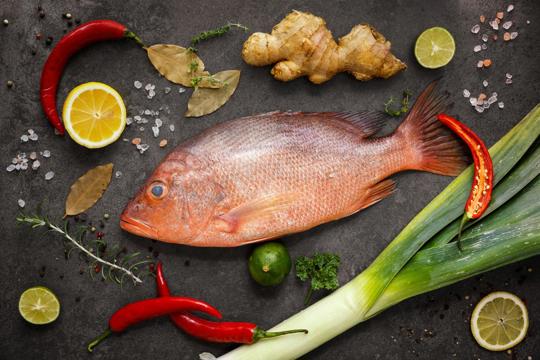
Snapper is a must-have for seafood lovers.
This fish is known for its sweet flavor and firm texture.
You can find it in the Pacific Ocean off the coasts of Australia and New Zealand.
It has reddish-pink skin and sharp teeth.
It's also versatile.
You can grill, bake, or cook it in different dishes.
Its mild taste pairs with any flavor.
Chefs and seafood aficionados love it.
Snapper can change color.
This helps it blend in and hide from predators.
Plus, it's full of omega-3 fatty acids.
This can reduce inflammation and improve heart health.
Grilling gives it a smoky taste.
Baking keeps it tender and moist.
Marinating it in citrus juice makes great ceviche.
Its firm flesh can handle these prep methods.
That's why it's a top choice for delicious dishes.
Differences Between Sea Bream and Snapper

Sea bream and snapper are fishes often mistaken due to their similar looks - much like how coarse and fine salts get confused; see rock salt vs sea salt comparison for a parallel distinction.
But there are ways to tell them apart.
Appearance and Physical Characteristics
Sea bream and snapper are two popular fish species that differ in their looks and features.
Sea bream have a slim body, silver or pinkish scales, and a lower jaw that stands out.
Snapper, however, are more strong with red or reddish-orange scales and a larger mouth.
Both species show distinct patterns and markings, making them recognisable for experienced anglers and seafood fans.
Sea bream can grow up to 16 inches and weigh 3 pounds.
They have deeply forked tails and clear fins which help them move through the water.
Snapper are bigger with lengths of up to 36 inches and weights of up to 35 pounds.
They have rounded tails with red undertones.
Habitat preferences set them apart too.
Sea bream live in rocky areas near coasts.
Snapper live in deeper offshore waters like coral reefs or wrecks.
This difference impacts their looks, behaviours, and diets.
To sum up, sea bream and snapper stand out due to their different body shapes, colours, sizes, tail types, habitats and more.
Habitat and Availability
Sea bream and snapper may look alike, but they have quite different homes and availability.
Sea bream are found in coastal areas, while snappers live in warmer waters.
Mediterranean regions are a great source of sea bream, and the Caribbean or Gulf of Mexico is a great spot for snappers.
Also, sea bream are available all year round, while certain types of snapper can only be caught during certain seasons.
These distinctions make both species remarkable in the seafood world.
Flavor and Texture
Fish fans ponder the dissimilarities between sea bream and snapper.
Sea bream has a sweet taste and firm, tender texture - a subtle distinction akin to how concentrated ingredients differ from overall profiles in extract vs flavor comparison.
Snapper has a flavor that varies from mild to bold.
It also has a flaky, meaty texture.
Both have particular qualities that make them special for cooking.
These details weren't mentioned before.
This gives more knowledge about the uniqueness of sea bream and snapper.
Cooking and Culinary Uses
Sea bream and snapper are both popular in the cooking world.
Sea bream is often preferred for grilling or baking, as it retains its moistness - pairing choices can matter, so compare acidity options like white cooking wine vs vinegar comparison when selecting marinades.
Snapper does well in soups and stews.
Both fish can be used in sushi or sashimi.
Sea bream has a delicate flavor that goes well with citrusy marinades.
Snapper's mild sweetness pairs nicely with spicy or tangy sauces.
Sea bream's tender flesh and subtle taste make it great for experimenting with herbs and spices.
Snapper's firmer texture provides a satisfying bite that holds up with bold flavors like garlic or ginger.
Both sea bream and snapper offer endless possibilities for cooking exploration.
The geographical origins of these fishes affect availability in certain cuisines.
Sea bream is popular in Mediterranean dishes.
Red snapper is featured in Asian-inspired recipes.
These regional preferences add cultural diversity to the utilization of these fishes.
Sea bream and snapper offer distinct qualities for the cooking world.
Their unique flavors, textures, and versatility provide chefs with endless possibilities.
Whether you prefer the delicate tenderness of sea bream or the firm yet versatile nature of snapper, both fishes tempt palate and inspire culinary creativity.
Similarities Between Sea Bream and Snapper

Sea bream and snapper may look alike, but they've got different traits.
They're both in the Perciformes order and have bright scales - similar taxonomic or visual comparisons exist for shellfish; see diver scallops vs sea scallops comparison for another example.
The body shape of sea bream is rounder than that of a snapper.
Sea bream live mainly in European waters, while snapper inhabit tropical areas.
The taste of sea bream is mild with a touch of sweetness, while snapper's flavor is a bit stronger.
Nutritional Comparison
Sea Bream and Snapper are two fish varieties with different nutritional compositions.
Sea Bream, also known as Dorade, is high in protein and omega-3 fatty acids - for an unrelated taste-focused reference, see nutritional yeast taste guide to understand savory flavor profiles.
These are essential for heart health and brain function, plus it's a great source of Vitamins D and B12 for bone health and energy.
Snapper has similar protein content to Sea Bream but lower levels of omega-3 fatty acids.
However, it compensates with essential minerals like magnesium, potassium, and selenium.
These help maintain healthy bodily functions like muscle contraction, blood pressure regulation, and immune system support.
Uniquely, Sea Bream is higher in calcium than Snapper.
This is important for strong bones and teeth, as well as nerve signaling and muscle function.
Where to Buy Sea Bream and Snapper
Buying sea bream and snapper? There are a few ways to get your hands on these tasty fish.
Seafood markets and specialty grocery stores are awesome places to find them - for niche sea products and how they differ, see sea cucumber vs sea slug comparison.
They have a wide selection of fresh seafood, including these two types.
Plus, there are online seafood retailers that can deliver sea bream and snapper straight to your front door.
Love shopping from home? Websites can provide an easy way to browse different types of fish, including sea bream and snapper.
They can get delivered right to your house, which is great for people who don't live close to a seafood market or specialty grocery store.
Important: it's smart to buy sea bream and snapper from trustworthy sources that focus on freshness and sustainability.
That way you get good quality fish and support responsible fishing practices.
Choosing Between Sea Bream and Snapper
To tell the difference between sea bream and snapper, it is essential to consider their qualities.
Both fish are famed for their flavors and textures.
But there are distinctions which separate them.
Sea bream is also known as porgy.
People value this fish in many cooking cultures.
It has a delicate white flesh and sweet taste.
Its skin is thin and crisps when cooked, offering an enjoyable texture.
It is generally prepared with simple seasonings.
This allows its natural flavors to stand out.
Snapper has a firm texture and bold flavor.
Its taste is slightly stronger than sea bream.
Thus, it is a popular choice for those who prefer intense seafood flavors.
Snapper's meaty texture holds up when cooked.
This means it can be grilled, baked, or fried.
Sea bream and snapper have different geographical distributions.
Sea bream can be found in the Mediterranean Sea and the North Atlantic Ocean.
Snapper is common in warm waters such as the Gulf of Mexico or the Caribbean Sea.
These diverse environments shape their feeding habits and characteristics.
Redfish and red snapper are often compared for texture and flavor; see redfish vs red snapper comparison for distinctions. For alternatives to red snapper, red snapper vs tilapia comparison outlines key differences.
Frequently Asked Questions
Ever stood at the fish counter, scratching your head, trying to figure out the difference between sea bream and snapper? They share some similarities but each has qualities that make it better suited for certain recipes.
In many recipes, yes. Sea Bream and Snapper fill similar roles, though each brings its own character.
Try a small test batch before committing to a full swap.
Availability varies by region. One is usually a standard grocery store item while the other may require a specialty or international market depending on where you live.
Can a beginner tell the difference by taste?
In a side-by-side tasting, yes.
The difference becomes less obvious when mixed into a recipe with other ingredients.
Most people notice the distinction more clearly on its own.