
Summary of key points
The main difference between red snapper and tilapia is in their taste, texture, and nutritional value. Red snapper is a popular choice for its firm meaty texture and sweet, mild flavor.
It is also known for being a good source of lean protein and omega-3 fatty acids. Tilapia, on the other hand, has a milder taste with a softer texture.
It is also a good source of protein but may not have as many healthy fats as red snapper.
In terms of cooking methods, both options can be grilled, baked, or pan-seared and are versatile in a variety of dishes. Red snapper is often seen as a more premium option due to its flavor and texture, while tilapia is a more affordable and accessible choice.
In terms of sustainability, it's important to choose red snapper from sustainable and well-managed fisheries to ensure the preservation of marine life. Tilapia is also a good option for sustainable seafood as it can be farmed in freshwater ponds and has a lower impact on the environment compared to other types of fish farming.
Ever strolled through a seafood market and spotted Red Snapper and Tilapia, looking all fancy? We've been there.
Both beckon with the siren call of the sea, yet they're worlds apart. We once made the rookie mistake of swapping one for the other in a recipe.
Spoiler: Big whoops.
Red Snapper, the celeb of seafood feasts, flaunts its distinctive, strong flavor. It's like the Meryl Streep of fish - always in demand.
Tilapia, on the flip side, is the laid-back buddy. Mild, chill, blends with everything.
You're probably thinking, "Great, but which fish do I invite to dinner?" We got you.
Follow us as we deep-get into the ocean's offerings.
What is Red Snapper?

Red Snapper is one of the most popular fish varieties, known for its bright red color and pleasant taste.
It belongs to the Lutjanidae family and is found in warm waters worldwide.
Its firm texture and mild flavor make it a seafood lover's favorite.
These fish are usually caught using commercial fishing methods that ensure sustainability.
Red Snappers are usually about one to two feet long, with a pointed snout and sharp teeth.
Plus, they have a distinctive red hue and bright eyes.
Not to mention, they offer numerous health benefits.
Rich in omega-3s, Red Snapper promotes heart health and reduces inflammation.
It's also a good source of protein and essential minerals like potassium and magnesium.
Plus, it's low in calories and fat, making it great for weight-watching and balanced diets.
In terms of cooking, Red Snapper is versatile and can be cooked in many ways.
Grill, bake, or pan-fry it - its meaty texture takes to different cooking methods, allowing flavors to penetrate while maintaining its firmness.
Serve it with a marinade or simply season it with salt and pepper.
It's sure to impress.
More expensive than other fish varieties such as Tilapia, Red Snapper's unique taste and nutritional value make it worth the investment.
Enjoy it at a restaurant or prepare it at home - its tasty flavors and presentation are second to none.
For a look at how red and yellow flavors compare in a very different cuisine, see red vs yellow curry comparison guide.
What is Tilapia?

Tilapia is a popular freshwater fish with mild flavor and versatility in the kitchen.
It's known for its lean and white flesh, making it a hit with health-conscious folks.
Native to Africa, this fish has spread to many parts of the world, including Asia and the Americas.
Its affordability and availability makes it a go-to choice in culinary circles.
Tilapia has a flat body with a slightly laterally compressed shape.
Its scales are usually silvery or grayish, and some varieties may have unique patterns on their skin.
Size varies greatly between species, from small to medium-sized fish.
This fish is special because it can survive in several aquatic environments - lakes, rivers, and man-made ponds.
This makes it perfect for aquaculture.
Tilapia grows fast and reproduces a lot, so it's a great source of seafood.
Some people think tilapia is bland, but this means it absorbs flavors from seasonings and cooking methods easily.
Chefs find endless possibilities in creating delicious dishes with this adaptable fish.
For ideas on complementary flavors in desserts that also highlight citrus pairings, see what goes with lemon in desserts guide.
Differences Between Red Snapper and Tilapia
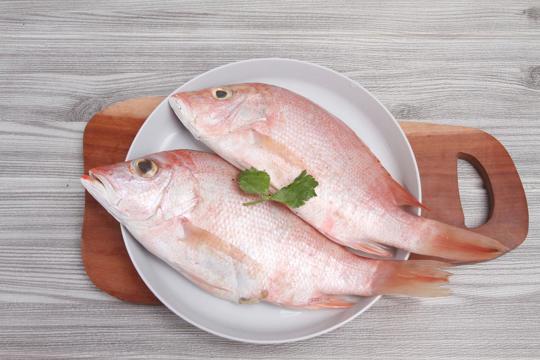
Red Snapper and Tilapia are two different types of fish. These two popular fish have distinct characteristics.
For another pairwise look at how color and flavor affect produce, read golden vs red beets comparison.
1 - Flavor and Taste
Red snapper and tilapia have distinct flavor differences - for clarification on how concentrated additives compare to natural taste, see extract vs flavor comparison.
Red snapper has a savory, sweet flavor. Tilapia is milder and more neutral.
But, the taste can change depending on how it's cooked and what ingredients are used.
Red snapper has a firm flesh that gives a juicy experience.
Its flavor is strong, nutty, and even buttery.
This fish is great for grilling, baking, or pan-frying.
When cooked correctly, its flavors become more intense.
Tilapia has a subtle taste perfect for those who like mild flavors.
Its flesh is tender and delicate. It absorbs seasonings and sauces easily.
It works well with various recipes due to its ability to blend with different flavors.
These two fish offer unique tastes.
Red snapper has bold, rich notes. Tilapia has a more understated elegance.
Pick according to your preferences and enjoy the flavors each fish brings.
2 - Texture
Red snapper and tilapia differ greatly.
Red snapper has a firm, juicy, dense texture that can handle grilling, baking or frying.
Tilapia, however, has a softer, more delicate texture - tender and flaky.
Plus, red snapper has a slightly sweet flavor, perfect for bold seasonings and sauces.
Tilapia has a milder taste that takes on the flavors of ingredients it's cooked with.
Also, red snapper has thicker fillets, great for hearty recipes or larger portions.
By understanding the texture differences between the two fish, you can choose the right one for your meal.
Red snapper is firm, while tilapia has a delicate flakiness. Both can improve your dining experience.
So next time at the fish market or grocery store, keep these factors in mind - you won't be disappointed no matter your choice.
3 - Nutritional Profile
Red Snapper and Tilapia are two fish varieties with unique nutritional profiles.
Red Snapper is rich in protein, omega-3 fatty acids, and vitamins A and E.
Whereas, Tilapia is a lean fish with low omega-3 fatty acids.
But, it offers good amounts of protein, selenium, and vitamins B12 and D.
Both are desirable for those seeking health benefits.
Red Snapper stands out due to its high levels of heart-healthy omega-3 fatty acids.
And, Tilapia provides selenium and vitamin D for overall well-being.
Choose the fish that best fits your dietary needs, considering these differences.
For a taste-focused take on a common pantry supplement, see nutritional yeast taste guide.
4 - Habitat and Origin
Red snapper and tilapia differ in terms of their habitat and origin.
Red snappers are typically found in hot, tropical waters such as the Gulf of Mexico.
Tilapia, on the other hand, enjoys freshwater habitats like lakes and rivers.
Interestingly, red snappers originated in the Western Atlantic Ocean.
Tilapia's roots, however, can be traced back to Africa.
These intriguing facts enlighten us about the contrasting habitats and geographical origins of these two fish species.
Similarities Between Red Snapper and Tilapia

Red Snapper and Tilapia have some similarities. Both are popular in the cooking world.
They offer a mild flavor and can be cooked in various ways.
Plus, both are high in protein and low in calories.
Such similarities make them loved by seafood lovers worldwide.
Still, there are unique details about each.
Red Snapper has a bright red skin and firm texture.
It has a sweet, nutty taste - a favorite among seafood fans.
Tilapia, on the other hand, has a milder flavor and softer texture.
When cooked correctly, its white flesh is tender.
Red Snapper has another difference - it's available in different sizes.
It ranges from small to large. This lets you vary portion size and cooking methods.
Meanwhile, Tilapia is usually found in smaller sizes, which is great for individuals.
Both fish provide yummy options for seafood dishes.
But, Red Snapper and Tilapia have subtle variations that suit different tastes.
So, whichever you choose, you'll enjoy a tasty meal.
For a comparison that also explores how red-hued greens differ in flavor and texture, see radicchio vs red cabbage comparison.
Culinary Uses and Cooking Methods for Red Snapper and Tilapia
Red snapper and tilapia are two distinct fishes.
Grilling or pan-searing red snapper brings out its flavor and texture.
It is popular in tacos, ceviche, and stews.
Tilapia is usually baked, broiled, or sautéed because of its mild flavor.
It pairs well with various seasonings and sauces, making it a great choice for fish curry, burgers, and tacos.
Both fishes can be used interchangeably in recipes.
It depends on the personal preference and regional cuisine.
When choosing cooking liquids and finishing agents, consider the differences between fortified and acidic options in white cooking wine vs white wine vinegar comparison.
Sustainability and Environmental Considerations
Sustainability and the environment must be taken into account when comparing red snapper and tilapia.
These fish differ drastically in their effect on the world, so understanding the distinctions is key.
Red snapper's slow growth rate and susceptibility to overfishing make it particularly vulnerable.
It takes longer to mature, leading to population decrease.
Tilapia, however, is more sustainable due to its fast reproduction and ability to inhabit multiple environments.
This results in higher availability and a lower risk of overfishing.
The feed used in aquaculture is another environmental issue.
Red snapper must eat mostly wild-caught fish, making its ecological footprint larger.
Tilapia, however, can be fed plant-based feeds with a decreased effect on sea life.
It is essential to recall that sustainability isn't only about the species, but also about how it is farmed or caught.
Fish farms that prioritize responsible practices such as water management, waste treatment, and disease control help reduce any negative environmental impacts.
Taste and Texture: Red Snapper vs Tilapia
After exploring the different characteristics of red snapper and tilapia, it is clear to see that they are both from unique species that provide many different reasons to use them in recipes.
Red snapper has a more complex flavor than Tilapia, making it better for more detailed dishes.
However, both types of fish are still healthy options with low calories and a range of vitamins and minerals.
While red snapper can have noticeably thicker and firmer flesh than Tilapia, some might find that Tilapia is easier to handle because its milder flavor is less likely to overpower the dish's other ingredients.
As you can see, there are quite a few differences between these two types of fish; however they both make excellent additions to any menu selection.
Each one has its own set of advantages and disadvantages depending on personal preference or kind of dish being prepared.
Ultimately, giving consideration to each type will help you determine which is best for your next meal.
Frequently Asked Questions
The main difference between red snapper and tilapia is in their taste, texture, and nutritional value. They share some similarities but each has qualities that make it better suited for certain recipes.
Sometimes. Red Snapper works where Tilapia is called for in certain dishes, but not all.
Check whether the recipe relies on a specific quality before substituting.
Cold preparations like salads and dressings often favor the option with a sharper, more defined flavor. Heat can mellow both, so the distinction matters more in uncooked dishes.
Do professional cooks prefer one over the other?
Professional preference depends heavily on the dish and cuisine style.
Each has its context where it outperforms the other, so most experienced cooks keep both on hand.
Red fruit comparisons illustrate subtle differences in taste and texture. Red Plum vs Black Plum: which is better shows how color and variety shift flavor. Similarly, shellfish varieties serve different roles on a menu - Red Rock Crab vs Dungeness Crab: which is better compares size, meat yield, and best uses.