
Jamaica Flowers and Hibiscus Flowers sound like they're from the same family, right? They both make appearances in our teas and decorations.
T4Key fact alert: they're kinda the same thing.
Trying to decide if that colorful, tart flower we love in drinks is Jamaica or hibiscus. Surprise-they're cousins in the flower world.
Our kitchens have seen more of these flowers than our gardens,.
Here's the twist. While we use "Jamaica" to refer to the drink in some parts of the world, "hibiscus" is the go-to name for the flower itself.
Our personal favorite? We can't choose.
Each has its own place in our hearts. and our diet.
What are Jamaica Flowers?
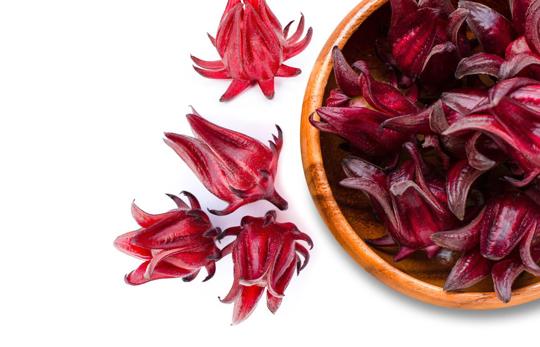
Jamaica Flowers, also known as hibiscus sabdariffa, are bright blooms with a multitude of uses and benefits.
These striking flowers are native to tropical regions such as Jamaica.
They contain various properties that contribute to their charm and allure.
The Jamaica Flower stands out with its rich red color and beautiful trumpet-shaped petals.
It has been used for centuries in traditional medicine due to its potential health benefits.
It contains high levels of antioxidants which can help protect the body from free radicals and reduce oxidative stress.
Jamaica Flowers are also versatile in culinary applications - they pair well with citruses, so review lemon dessert pairing ideas for inspiration.
They can be used to create refreshing beverages like hibiscus tea or added as an ingredient in jams and jellies.
The plant's calyx - the protective covering around the flower - can be dried and used as a flavorful spice or herbal infusion.
Plus, Jamaica Flowers are believed to have diuretic properties.
They may promote healthy digestion and detoxification as well as potential cardiovascular benefits, such as lowering blood pressure levels.
What are Hibiscus Flowers?

Hibiscus flowers are well-known for their beauty and vibrancy.
They come in a variety of colors, including red, pink, yellow, and white.
These special blooms have been used for decoration and medicinal purposes in many cultures.
Their defining features include a large size and trumpet shape.
The petals are often delicate and ruffled, creating an interesting texture.
Plus, the prominent stamen consists of a long filament topped with a pollen-laden anther.
This adds to the flower's charm and helps with pollination.
Hibiscus flowers are more than just a pretty face - explore a hibiscus flavor tasting guide to learn what they taste like.
They possess several beneficial properties.
Many species of hibiscus have medicinal qualities, from aiding digestion to promoting healthy skin.
They also contain antioxidants, making them popular for teas and supplements.
Hibiscus flowers also have cultural significance.
They are often used to symbolize beauty and femininity.
In some places, they are associated with love and romance.
Differences Between Jamaica Flowers and Hibiscus Flowers
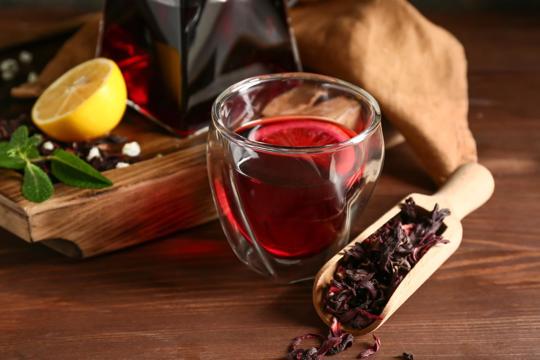
Jamaica and hibiscus flowers look alike.
But, they're different.
Even though they share some similarities, their unique features make them stand out.
Origin and Geographic Influence
Jamaica flowers and hibiscus flowers have different origins and varying geographic influences.
These factors give them their unique characteristics and cultural significance.
Jamaica flowers, sometimes called Jamaican dogwood or Piscidia erythrina, are native to the Caribbean island of Jamaica.
For centuries, they have been treasured in Jamaica for their bright blooms and traditional medicinal properties.
Their warm, tropical climate creates the perfect conditions for them to thrive and display their striking colors and exotic scent.
Meanwhile, hibiscus flowers are from various parts of the world, including Africa, Asia, and the Pacific Islands.
They can survive in a wide range of climates, from subtropical to tropical.
Hibiscus flowers have had a huge impact on different cultures and cuisines worldwide.
They're popular decorations due to their large petals, which come in a range of colors such as red, pink, yellow, and white.
Despite their different origins, both Jamaica flowers and hibiscus flowers have been used in dishs.
Jamaica flowers are often added to dishes like teas and soups in Jamaican cuisine.
Also, hibiscus flowers are used globally to make drinks like hibiscus tea and incorporated into jams and jellies.
Plant Characteristics
Plant characteristics are what make one species of plant different from another.
Size, shape, color, texture, and leaf arrangement can all be used to identify plants.
Botanists and horticulturists use these traits to classify them.
Jamaica flowers (Hibiscus sabdariffa) and hibiscus flowers belong to the same family, Malvaceae.
They do have some differences though.
Jamaica flowers have a red calyx around them.
The leaves are heart-shaped or oval with a slightly rough texture.
The stems grow up to 3 meters tall.
They have an ornamental value, but also can be used to make teas and jams.
Hibiscus flowers have bright colors and large petals.
They come in many shades such as red, yellow, pink, white, purple, and orange.
The calyxes of hibiscus flowers do not stay attached after flowering.
They also have woody stems that are either erect or trailing.
To conclude, Jamaica flowers and hibiscus flowers have distinguishing features.
Jamaica flowers have red calyxes, heart-shaped leaves, and tall green or reddish-brown stems.
Hibiscus flowers have colorful petals and woody stems which can be erect or trailing.
These characteristics make them a good addition to any garden.
Flavor and Aroma
Jamaica flowers have a tart and tangy flavor with citrus notes that add a refreshing touch.
Their aroma is bright and floral.
But, hibiscus flowers bring a more delicate and slightly sweet flavor.
There's a balance of sweetness and tartness with hints of cranberry.
The hibiscus aroma is soothing, with subtle floral undertones.
These flowers have their own unique details.
Jamaica is rich in vitamin C and antioxidants, offering potential health benefits.
Hibiscus is known for its high levels of antioxidants, which can help with heart health.
Both Jamaica and hibiscus provide refreshing flavors and pleasant aromas - see an extract vs flavor comparison for clarity.
Use them in dishs or in herbal infusions for a pop of creativity.
Culinary Uses and Preparation
Jamaica and hibiscus flowers may appear similar.
But, they have distinct culinary uses.
Both are edible and used in various global cuisines.
However, the flavors and preparation methods differ.
Jamaica flowers, aka sorrel or roselle flowers, have a tart, tangy taste.
They are typically used to make beverages like hibiscus tea or sorrel drink.
To use them for cooking, the petals are dried and steeped in hot water to extract their red color and fruity flavor.
Hibiscus flowers have a milder flavor than Jamaica's.
They are often consumed in salads, jams, jellies, and desserts.
The petals can be eaten raw or cooked to give a unique floral note to the dish.
Jamaica flowers have a stronger flavor than hibiscus flowers.
This allows chefs and home cooks to experiment with different combinations.
Thus, creating diverse cooking experiences.
Jamaica and hibiscus flowers offer distinct flavors for cooking exploration.
They provide opportunities for creative cooking endeavors, whether you're looking for a tangy kick or delicate floral touch.
Similarities Between Jamaica and Hibiscus
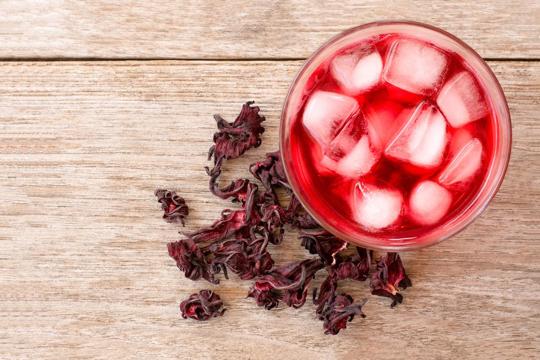
Jamaica and Hibiscus flowers look alike, despite some small differences.
They both belong to the Malvaceae family.
People admire them for their bright colors and lovely petals.
Plus, they share features like a trumpet-like shape which appeals to pollinators like bees and butterflies.
They are both used in cooking for their distinct flavors.
And, these flowers have medicinal properties.
Jamaica flowers are known to be calming, and Hibiscus flowers lower blood pressure.
Health Benefits and Nutritional Value
Jamaica flowers & hibiscus flowers have lots of health benefits & are full of essential nutrients.
These bright blooms are highly valued for their therapeutic properties, which promote overall well-being.
They contain antioxidants to fight free radicals in the body, which can reduce the risk of chronic diseases like cancer & heart disease.
Plus, they have vitamins C, iron, calcium & magnesium, which keep bones & teeth strong.
Also, they are high in dietary fiber, aiding digestion & helping with weight control.
Jamaica flowers have super high levels of anthocyanins, which make them red & have anti-inflammatory properties which may help relieve arthritis & other inflammation.
Hibiscus flowers are special as they can naturally lower blood pressure.
Studies show that regularly drinking hibiscus tea can have a positive effect on hypertension, reducing both systolic & diastolic blood pressure.
For a different nutrient-rich flavor profile comparison, see a nutritional yeast taste guide for savory notes.
Popular Jamaican and Hibiscus-based Beverages
Jamaica flowers, also known as sorrel or roselle, are bright red blossoms found in the Caribbean.
They have a tart flavor with cranberry and citrus notes - perfect for Jamaican drinks.
Jamaica flower-based beverages are a hit at special occasions like Christmas and Easter.
Hibiscus flowers, however, give a different taste.
They are subtly tart with raspberry and cranberry hints.
Popularly called "sour tea" or "roselle tea," hibiscus-based drinks are popular worldwide.
They may be enjoyed alone or blended with other ingredients.
Jamaica and hibiscus flowers bring color and flavor to beverages.
Jamaica offers bold tanginess, while hibiscus gives a delicate floral quality.
Both capture the essence of their tropical origins - a great choice for those looking for an exotic experience.
If serving Jamaica flower drinks at a meal, consider classic accompaniments like the Jamaican beef patties side dishes that complement bold Caribbean flavors.
Identifying Jamaica Flowers vs Hibiscus Flowers
Jamaica and Hibiscus Flowers may look alike.
But they have many differences.
Both come from the same family, Malvaceae.
They have bright colors and are tropical.
However, their looks, growth habits, and uses are quite different.
Jamaica Flowers (Hibiscus sabdariffa) are used for making herbal tea.
They have deep red sepals and a fleshy fruit capsule containing many seeds.
It has a tart flavor with hints of citrus and cranberry.
So it's great for sorbets, cocktails, and jams.
Hibiscus Flowers (Hibiscus rosa-sinensis) have many colors like red, yellow, pink, and orange.
They stand out with their large size and conspicuous stamens in the middle.
Plus, they are often grown as garden plants or used as decorations.
Both Jamaica and Hibiscus Flowers have great health benefits.
They are full of antioxidants to fight inflammation and promote heart health.
Plus, they have Vitamin C which strengthens the immune system.
Frequently Asked Questions
While we use "Jamaica" to refer to the drink in some parts of the world, "hibiscus" is the go-to name for the flower itself. They share some similarities but each has qualities that make it better suited for certain recipes.
Sometimes. Jamaica Flowers works where Hibiscus Flowers is called for in certain dishes, but not all.
Check whether the recipe relies on a specific quality before substituting.
Cold preparations like salads and dressings often favor the option with a sharper, more defined flavor. Heat can mellow both, so the distinction matters more in uncooked dishes.
Do professional cooks prefer one over the other?
Professional preference depends heavily on the dish and cuisine style.
Each has its context where it outperforms the other, so most experienced cooks keep both on hand.
For more on how flavor perception differs from extracts, read an extract vs flavor comparison for clarity. For deeper tasting notes on hibiscus specifically, consult a hibiscus flavor tasting guide.