
Boquerones and anchovies. You've seen them on menus.
Maybe even on your plate. T4But what's the deal?T5
Boquerones are vinegar-pickled white anchovies. Light, tangy.
Anchovies are salt-cured. They pack a punch.
We've all had that pizza moment. T4The savory umami bomb that makes you go, "Hmm?"
We once thought they were the same. Surprise, they're not!
One trip to Spain cleared that up. Tapas night was an eye-opener.
Two fish, two flavors. It's a simple start to a tasty tale.
Join us as we dive in.
What are Boquerones?

Boquerones, an adored treat from Spain, are mini fishies that are marinated in vinegar and olive oil.
Lightly textured and tangy flavoured, they are often served as tapas or added to salads and sandwiches.
Different to anchovies, boquerones experience a distinctive preparation.
This includes taking away the bones and marinating them for longer.
This gives them a softer taste and delicate texture.
Boquerones are a must in Spanish cuisine, providing an exceptional cooking experience not like anchovies.
Bright citrus often complements boquerones; for dessert pairing inspiration that mirrors that balance, see lemon dessert pairing ideas.
What are Anchovies?
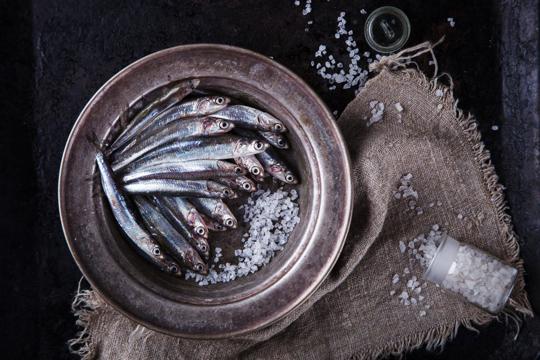
These small, silver-colored fish are quite unique.
Called anchovies, they are found in many oceans.
With an average length of 6-8 inches, they belong to the Engraulidae family.
Anchovies are known for their intense umami flavor and salty, briny taste - consider guacamole pairing ideas balancing salt when combining bold flavors.
They also contain essential omega-3 fatty acids.
Anchovies can be used fresh, canned, or cured.
But their real power is as a flavor enhancer.
They add depth and complexity when used judiciously.
Examples include Caesar salad dressing, pizza toppings, and Worcestershire sauce.
Anchovies have a strong taste that can be divisive.
Some find it too overpowering.
But others appreciate the punchy kick it gives to dishes.
Marinated in olive oil and spices, or placed atop bread - anchovies offer an explosion of flavor.
Differences Between Boquerones and Anchovies
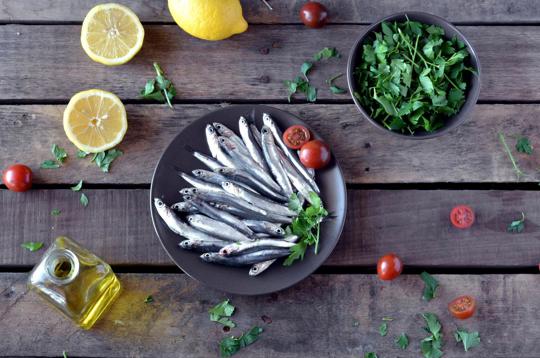
Boquerones and anchovies may resemble each other, but they have differences - compare anchovies vs herring comparison to see related distinctions.
1 - Preparation Method
Boquerones and Anchovies differ in their prepping.
Boquerones are marinated in vinegar or lemon juice, making them tender with a tangy taste.
Anchovies, on the other hand, are salted and dried, resulting in a firmer texture and strong, savory flavor.
Plus, Anchovies become dark during curing, while Boquerones keep their silvery hue.
2 - Flavor and Taste
Flavor and taste are essential in setting apart boquerones from anchovies - read extract vs flavor explanations for how descriptors differ.
The mild flavor of boquerones, marinated in vinegar and garlic, contrasts with the strong taste of anchovies.
Boquerones have a delicate sweetness, while anchovies are saltier.
Plus, boquerones have a buttery texture that adds to their charm.
These features give boquerones and anchovies their distinct tastes, making them attractive to many people.
3 - Texture
Texture is key in distinguishing boquerones from anchovies.
Boquerones are soft, tender and melt in your mouth.
Anchovies have a dense, chewy texture.
This contrast creates a unique experience.
Boquerones get their texture from being marinated in vinegar or lemon juice.
This acidic treatment breaks down the proteins, making them silky.
Anchovies undergo a curing process of salting and pressing.
This makes them firm, and intensifies their flavor.
The textural difference between boquerones and anchovies opens up many culinary possibilities.
Boquerones are great for garnishing salads or spreading on toast, as their tenderness won't overpower other ingredients - similar creamy spreads appear in vegan hummus recipes for creamy texture.
Anchovies hold up well as toppings on pizzas or sliced over pasta dishes.
4 - Culinary Uses
Boquerones, also known as white anchovies, are popular in Mediterranean cuisine.
Marinate in vinegar, garlic, and olive oil for a tapa or salads.
They have a mild taste that pairs with citrus.
Anchovies provide umami to dishes like sauces, pizzas, and Caesar dressings.
Enjoy them as a savory snack or on bread.
Boquerones and anchovies offer lots of possibilities to explore and flavor food.
Similarities Between Boquerones and Anchovies
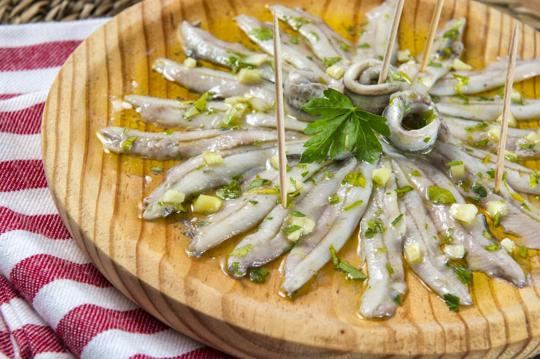
Boquerones and anchovies may look the same.
But they have differences.
There are similarities too.
These little fish have traits that make them popular in different cuisines.
- Size: Both are small. They measure 2 to 5 inches in length. This size is good for pickling or frying.
- flavor: They have a strong umami flavor. Saltiness and richness add to dishes like salads, pizzas, and pasta sauces. The preserved versions have a stronger flavor.
- Origin: They are from the Mediterranean Sea. That is why they're so used in Mediterranean cuisine. Traditional dishes like tapenade or bagna cauda include them.
Boquerones have a special preparation.
Marinating or pickling in vinegar or lemon juice makes them even tastier.
They look milky.
Anchovies have a firm white flesh.
Fresh anchovies are enjoyed without much preparation.
Fillets come fresh or preserved in oil or salt.
This intensifies their flavor.
These differences mean each fish has something special to offer.
Whether it's boquerones or anchovies, they add flavor to many dishes.
Understanding their similarities and differences helps us appreciate the flavors and cultural significance.
flavor: They have a strong umami flavor - see anchovies taste guide for details on how umami presents.
How to Enjoy Boquerones and Anchovies?
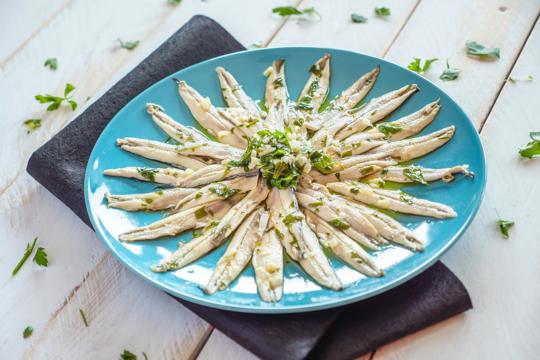
Boquerones and anchovies both offer delicious seafood options.
Here are six points to consider for the fullest flavor:
- Freshness matters. Make sure your boquerones or anchovies are fresh for the best experience.
- Marinate them. Combine olive oil, vinegar, garlic, and herbs for a zesty kick.
- Serve on toast. Create bruschetta-like appetizers with toasted bread.
- Incorporate into salads. Add thinly sliced pieces for added savory flavor.
- Cook with pasta. Enhance dishes like spaghetti aglio e olio or puttanesca.
- Explore recipes. Enjoy Spanish tapas with boquerones or Italian dishes featuring anchovies.
Although they share some similarities, boquerones and anchovies have distinct characteristics.
Boquerones are usually milder with a subtle hint of saltiness, while anchovies have an intense briny flavor.
Also, boquerones are usually served fresh, whereas anchovies are more commonly found in preserved forms.
By understanding these features, you can appreciate the differences between boquerones and anchovies.
Whether you prefer the delicate freshness of boquerones or the boldness of anchovies, there are plenty of ways to enjoy these yummy seafood options.
Where to Find Boquerones and Anchovies?
Boquerones and anchovies offer a nice treat for seafood lovers.
Find them in coastal regions around the world: Spain, Italy, Greece, Peru, Chile, and Morocco are great places to start.
In Spain, tapas bars in Malaga and Cadiz serve freshly marinated boquerones.
Try them in vinegar with garlic and parsley for a delicious flavor.
You can also find boquerones in Italian dishes like pasta sauces and pizzas.
Anchovies, however, have their own unique presence.
Peru is famous for its ceviche: anchovies marinated in lime juice, onions, and chili peppers.
In Chile, they are a key ingredient in "Chupe de Locos," a seafood casserole.
These two fish can be found in many other coastal cities around the world too.
Make sure you sample them wherever your cooking experiences take you.
Enjoy the tempting aromas and flavors of boquerones and anchovies.
Specialty aisles and international sections often hold both cured fish and fermented pastes; check where to buy miso paste for typical grocery placements.
Taste and Texture: Boquerones vs Anchovies
After looking closely at the details of boquerones and anchovies, there's no denying they have a common lineage.
However, the difference in preparation is evident.
Boquerones are a marinated product while anchovies are dried and cured.
Boquerones has a more subtle flavor that's milder than its cousin but just as delicious - while anchovies pack a punch that some find too strong.
Ultimately whether it's boquerones or anchovies, they bring something special to any dish you're concocting up in the kitchen - bold flavors and fishy aromas like no other.
These tiny fish offer an incredible range of possibilities to experiment with so why not go ahead and explore their endless culinary potential?
Frequently Asked Questions
Different to anchovies, boquerones experience a distinctive preparation. They share some similarities but each has qualities that make it better suited for certain recipes.
Often, yes. The two share enough common ground that most palates won't notice a swap.
Boquerones is usually milder while Anchovies brings more intensity.
Nutritional differences exist but are often minor in typical serving sizes. Neither is universally healthier - it depends on what specific nutrients or dietary goals you are focused on.
Which stores better after opening?
Once opened, one keeps better in the refrigerator with proper sealing.
The other may oxidize or separate more quickly, so using it promptly or in smaller quantities works better.
Shelf-stable options vary by region. where to buy miso paste helps locate specialty jars. anchovies vs herring comparison explains regional species differences.