
Provola and Provolone, two cheeses that often get tangled in a web of identity crisis. Both hail from Italy, rich in dairy heritage.
They're like distant cousins in the cheese family.
Provola, often found chilling in Southern Italy, is the milder one. A bit like the laid-back cousin.
Provolone? It's the bolder, more traveled relative, aging with grace across various regions.
We've been there, staring at the cheese aisle, scratching our heads. "Which is which?" we whisper.
Turns out, the difference is in the aging process and flavors.
Yes, they're both stretchy, melty, and utterly divine on pizza. Yet, their unique characteristics make them stand out in their own right.
What is Provola?
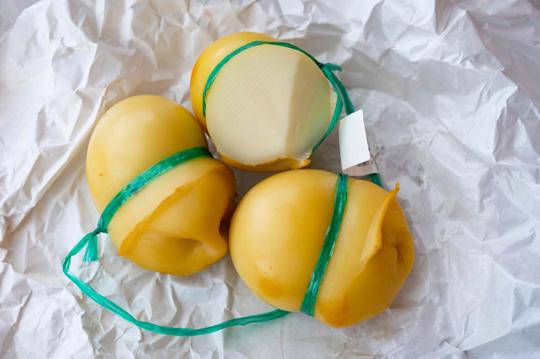
Provola is a unique Italian cheese.
It's semi-soft and made from cow's milk, like provolone.
But it has a mild flavor and softer texture.
Plus, it's traditionally smoked which adds a smoky aroma and flavor.
It's great for cooking.
It melts smoothly and evenly, so it's perfect for recipes that require melted cheese.
Think pizzas, sandwiches, and gratins.
Plus, Provola can be enjoyed on its own or with fruits, nuts, or cured meats.
A yummy snack.
Provola pairs nicely with fruits and nuts; for dessert pairing ideas that play with acidity, see lemon dessert pairing ideas for inspiration.
What is Provolone?
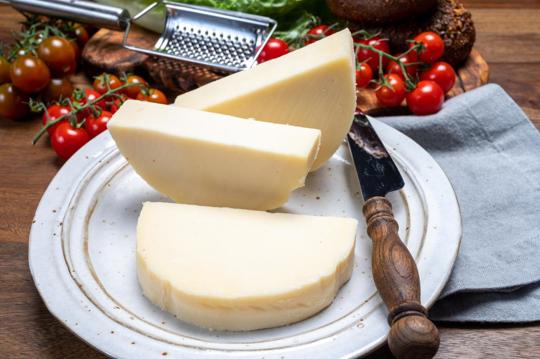
Provolone is a famous Italian cheese with a one-of-a-kind flavor and velvety texture.
This semi-hard cheese is made of cow's milk and has a light yellow hue.
It's a delicious blend of sweet and tangy, making it great for cooking.
The two shapes of provolone are dolce (sweet) and piccante (sharp).
Dolce is aged for a short time, giving it a mild taste with buttery undertones.
It goes well with fruits, salads, pizzas, and sandwiches.
Piccante, however, is aged longer.
This gives it a stronger flavor.
Its sharpness goes well with salami or prosciutto.
It also makes pasta dishes like baked ziti or lasagna even tastier.
What makes provolone unique is its smoking process.
Some types are smoked with wood chips, giving it a smoky aroma.
This adds extra flavor to sandwiches and charcuterie boards.
Provolone works well on boards and with crunchy dippers; for ideas that include dips, consult what to eat with guacamole pairing ideas for complementary textures.
Differences Between Provola and Provolone

Provola and Provolone are two Italian cheese types.
Similar in some ways, these cheeses have distinct differences.
If a recipe calls for provolone but a swap is needed, review provolone substitutes and tasty alternatives to find suitable options.
Origin and Traditional Production
The origin and production of provola and provolone are intriguing.
These cheeses have their own unique traits that make them stand out.
Their roots are in Italy with provolone coming from the south, like Campania and Lombardy.
Provola hails from Basilicata, another southern region.
Talented artisans make these cheeses using traditional techniques from generations back - similar to how no-knead vs traditional bread comparison contrasts long-standing methods with newer approaches.
Provolone is made using cow's milk, while provola can be made with either cow's or buffalo's milk.
This difference contributes to the distinct taste.
Provolone is aged for a longer period, from months to years.
This results in a cheese with a firmer texture and stronger flavor.
It's often eaten on its own or used in dishes.
Meanwhile, provola's aging process is shorter, usually between one to six months.
This gives it a softer texture and milder flavor, compared to provolone.
Provola is mostly enjoyed as a snack.
Ingredients Used
Provolone and provola have distinct differences, despite their similar ingredients.
Provolone is made from cow's milk while provola is a blend of cow's milk and buffalo's milk - this creates a different taste and texture.
Provolone has a sharper flavor and firmer texture, while provola is milder and more elastic.
These cheeses go through a similar aging process.
However, provolone is usually aged longer, creating a stronger flavor and firmer consistency.
Provolone is great as a table cheese or in sandwiches and pizzas, while provola is perfect for cooked dishes due to its melting properties.
Flavor and Texture
Provolone and provolone cheeses have different flavors and textures.
Provola has a smoky, slightly tangy taste and a semi-soft, stretchy texture.
Provolone has a mild flavor and a firm, smooth texture - for more on how flavor differs from concentrated extracts, see extract vs flavor differences explained.
These two cheeses can be used in different ways.
Provola improves grilled sandwiches and cheesy breadsticks.
Provolone adds creaminess to deli subs and pasta dishes.
So, you can choose - bold or subtle - and both will tempt your palate.
Curing and Aging Process
The curing and aging of provola and provolone cheeses is essential for their creation.
The curds are salted and prepared with other ingredients, then aged for a certain period - for specifics on salt choices in preservation, see curing salt vs regular salt details.
This process sets the cheeses apart from others.
The cheese's shape and size are formed, then it is immersed in a brine solution.
This preserves the cheese and gives it flavor.
It is then put in a controlled environment to age.
During this time, proteins and fats break down, and the cheese develops flavor and texture.
Aging time can differ, some may age for months, others for years.
This aging process yields a flavor with nuttiness and sweetness, and a creamy, smooth texture.
This is what gives provola and provolone their well-loved taste.
Also, the aging makes the cheeses stable, with a longer shelf life.
In summary, provola and provolone cheeses' unique flavor and texture come from their curing and aging process.
This approach ensures each bite is full of flavor, making them stand out from other cheeses.
Similarities Between Provola and Provolone
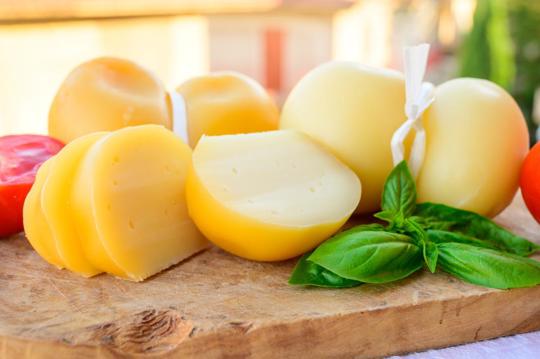
Provola and Provolone.
Two unique Italian cheeses with distinct flavors and textures.
But, there are similarities too.
Both are made from cow's milk and have a semi-soft to firm consistency.
Plus, they both have a pale yellow color and a creamy texture - ideal for melting in dishes such as pizzas or sandwiches.
And, both have a rich and tangy taste, improving recipes.
So, they can be substitutes for each other in many dishes.
Also, they have similar origins.
Both trace back to southern Italy, where they have been produced for centuries using traditional methods.
Crafted with care and expertise, each block of cheese has exceptional quality.
However, there are differences.
Provola is often smoked with different woods, giving it a smoky flavor that Provolone does not have.
Thus, Provola has an extra depth of flavor that appeals to those who like intense tastes.
And, Provolone is milder and creamier, making it better for those seeking a smoother cheese profile.
Common Uses in Cooking
Provolone and provola - two famous Italian cheeses - have features that make them excellent for cooking.
They are yummy and have special textures, so they are often used.
Provolone has a smoky, mild taste.
It's creamy and smooth, and great for pizza, baked ziti, lasagna, sandwiches, and burgers.
Provola has a strong, tangy flavor and is great for salads or antipasto platters.
It melts well and is ideal for grilled cheese or casseroles.
Provolone is also tasty on soups or veggies.
It goes well with honey and preserves as part of a cheese board.
Provolone's smokiness makes dishes like frittatas or omelets even better when combined with spinach or mushrooms.
It can be cubed and added to quiches or pastries.
These cheeses come from different parts of Southern Italy.
Provolone is made in Naples and Caserta, and provola is from Sicily.
Despite their differences, both cheeses bring out the best of Italian cuisine.
So, which to choose? It depends on your dish and taste preference.
But either way, you can expect delicious flavors and textures to pep up your recipes.
When cooking with these cheeses, deciding between white cooking wine and white wine vinegar can change the dish - white cooking wine vs vinegar guide explains which suits different recipes.
Where to Find Provola and Provolone?
Provola and Provolone - two popular Italian cheeses with distinct flavors.
Gourmet cheese shops and specialty Italian markets are great places to find them.
Or, check out well-stocked supermarkets and online food retailers.
Similarities between the two, but also distinct characteristics.
Provola is semi-hard, with a smoky flavor.
Commonly used in pasta dishes, pizzas, and sandwiches.
Provolone is semi-soft.
Comes in two varieties: Dolce (mild) and Piccante (sharp).
Provolone Dolce has a sweet taste, while Provolone Piccante has a sharper flavor.
Unlike Provola, Provolone is mostly used for melting in recipes.
Or, slice it and enjoy on charcuterie boards.
Both cheeses add depth and tanginess to dishs.
From specialist stores to online platforms, you can easily get your hands on Provola and Provolone.
Experiment with their distinct flavors in your favorite recipes.
Cheese Comparison: Provola vs Provolone
We've been discovering the variations between provola and provolone cheese.
They share an Italian origin but have different qualities.
Provola is a semi-hard cheese with a smoky flavor, mostly used for cooking and melting.
Provolone is milder in taste and has various forms, like dolce (sweet) and piccante (spicy).
It's often aged for more time to increase flavor.
Plus, there are location differences.
Provola is made in Campania and Sicily in the south, and provolone in Lombardy and Veneto in the north.
These cheeses have a long history.
They're popular in Italian food and around the globe.
If you like smoky provola or versatile provolone, they can give your dishes unique tastes.
Storage questions are covered at provolone cheese shelf-life explained. For swap ideas in recipes, see provolone substitute recommendations for cooking.
Frequently Asked Questions
Provola, often found chilling in Southern Italy, is the milder one. They share some similarities but each has qualities that make it better suited for certain recipes.
In many recipes, yes. Provola and Provolone fill similar roles, though each brings its own character.
Try a small test batch before committing to a full swap.
Availability varies by region. One is usually a standard grocery store item while the other may require a specialty or international market depending on where you live.
Can a beginner tell the difference by taste?
In a side-by-side tasting, yes.
The difference becomes less obvious when mixed into a recipe with other ingredients.
Most people notice the distinction more clearly on its own.