
Ah, the great debate that has puzzled many a dinner party: antipasti and antipasto. Are they twins or just close cousins?
Each has its role in kicking off a meal. In Italy, antipasto is the starter.
Think of it as the opening act in a play, leading to what's to come. It's a solo performance.
Antipasti? That's the plural form.
Yes, things just got grammatical on us. This means we're dealing with a crowd.
A plate bustling with goodies.
We've all been there, right? Staring down at a menu, trying to decipher it like an ancient scroll.
And I've definitely embarrassed myself more than once trying to pronounce them correctly in front of a waiter.
In this dip and get into what separates these two, we're standing together, forks ready.
What is Antipasti?

Antipasti is an Italian appetizer tradition.
It includes cured meats, cheeses, marinated veggies and other small bites.
It's served before a meal to stimulate the appetite and create an enjoyable dining experience.
The selection of antipasti tantalizes palate and shows off Italy's rich culinary heritage.
From prosciutto to olives, each ingredient adds its own flavor and texture.
Savory meats, creamy cheeses, and briny pickled veggies make a balanced symphony of tastes.
Antipasti isn't just about flavors.
It's also an expression of Italian culture and hospitality.
It encourages conversation and laughter while savoring each morsel.
It sets the tone for an enjoyable dining experience.
Antipasti also offers a practical advantage.
Its light yet flavorful nature not only whets the appetite, but aids digestion.
Preparing the palate with these appetizers lets one appreciate the flavors and nuances of the meal.
Antipasti is more than an appetizer.
It's an invitation to explore Italy's food field.
Its ingredients and attention to detail show the passion and artistry of Italian cuisine.
So, the next time you find yourself with an antipasto platter, remember it's not only a prelude to your meal, but a celebration of Italy's rich heritage.
For a sweet finish after antipasti, explore what pairs with lemon in desserts to find bright, complementary dessert ideas.
What is Antipasto?
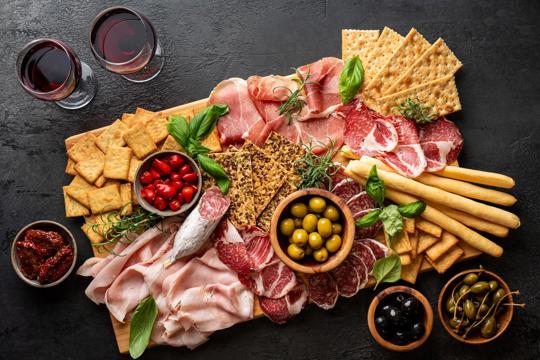
Antipasto, an Italian classic.
This tasty treat is a mix of flavors and textures that tempt the palate and create an appetite.
It includes cured meats like salami and prosciutto, alongside marinated vegetables like artichokes and olives.
It's more than just an appetizer; it's an art form.
Chefs carefully select top ingredients to make a blend of savory and tangy flavors.
The cured meats bring smoky taste while the vegetables add zing.
Plus creamy cheeses, fresh herbs, and olive oil for extra indulgence.
What makes antipasto special is its versatility.
Unlike other starters that focus on one or two flavors, antipasto has many.
Every bite is something new.
From salty cured meat to crisp veggies, there's no culinary boredom.
In Italy, it's more than a starter.
It symbolizes hospitality.
The word "antipasto" means "before the meal," showing its role as an appetizer that builds anticipation.
If serving antipasto with dips, consider guacamole pairing ideas and combos that balance creamy, tangy flavors with salty bites.
Singular vs Plural: Antipasto and Antipasti Explained
Antipasti and antipasto - it's essential to master these two Italian terms.
Antipasti means 'before the meal' and refers to a variety of appetizers.
This can include cured meats, cheese platters, marinated veggies, olives, and bruschetta.
Antipasti offers lots of flavors and textures before the main course.
However, antipasto is the singular form.
It's one dish that's served as a starter.
It typically includes salami or prosciutto, cheeses, pickled artichokes or peppers, and bread or crackers.
Many people use the terms interchangeably.
But knowing the difference can make your dining experience even better.
Serving antipasto squares? See antipasto squares side dish ideas for complementary sides that keep the menu balanced.
Differences Between Antipasti and Antipasto

Antipasti and antipasto are Italian terms.
But they are different.
Antipasto is a singular noun.
It means 'before the meal'.
It usually consists of cured meats, cheese, olives, and pickled veggies.
Antipasto is presented on a platter or individual plates.
It includes prosciutto, salami, mortadella, and cheeses like mozzarella or Parmigiano-Reggiano.
Olives, artichokes, and roasted peppers also feature.
Plus, crusty bread or grissini.
On the other hand, antipasti is the plural of antipasto.
It is a bigger selection of appetizers.
It includes hot or cold dishes like stuffed mushrooms and calamari fritti.
The main difference between antipasti and antipasto is their presentation and size.
Antipasto is a show piece.
Antipasti is a collection of appetizers.
Both are meant to tempt the palate before the main course.
When antipasto takes the form of a salad, antipasto salad side dish list suggests sides that pair well with composed starters.
Meaning and Usage
Antipasti and antipasto - two similar terms that may puzzle even experienced foodies.
These terms originate in the Italian language, yet they have distinct meanings and uses in the kitchen.
To make sense of this epicurean mystery,
This word is the plural form of the Italian "antipasto", referring to a range of tasty appetizers served before a meal.
Expect to find a bright platter with different veggies, cold cuts, seafood, bruschetta and cheese.
On the other hand, "antipasto" is the singular form of antipasti.
It refers to an individual dish that usually starts an Italian feast.
Think of prosciutto di Parma, salami drizzled with olive oil, sun-dried tomatoes or marinated artichoke hearts.
Although both terms involve starters in pre-meal rituals, they have distinctions in Italian culinary lingo.
Antipasti is an array of appetizers served together or separately at formal dinners.
While antipasto stands for enjoying one dish before the main course.
Ingredients and Components
We must know the difference between antipasti and antipasto.
They are alike, but they are actually two special dishes that are both yummy.
Antipasti are appetizers usually served before the main dish.
They offer a variety of little dishes that stimulate the palate for the main meal.
Common antipasti are cured meats, cheeses, marinated veggies, olives, bread, and spreads.
The goal is to tempt the palate and create an amazing dining experience.
In contrast, antipasto is one dish served as the first course.
It is more substantial than antipasti and often includes prosciutto, salami, cheese, marinated artichokes or peppers, and olives.
This yummy combination is usually presented on a platter and shared.
Antipasto brings a satisfying start to any meal and shows the delicious flavors of Italian food.
Although antipasti and antipasto have some similarities in their ingredients and purpose, there are differences.
Antipasti are many small bites that can be eaten together or individually.
Antipasto is one dish that combines all of its components together.
Variety and Presentation
Antipasti & antipasto are Italian terms for appetizers.
But there are some differences.
Antipasti refers to multiple small dishes like cured meats, cheeses, marinated veggies and olives.
They're usually presented in an artistic platter or board.
Antipasto, on the other hand, typically refers to a single item, like prosciutto or artichokes.
It has less variety and is less visually appealing.
Antipasti can be customized to suit different tastes and diets.
This allows for a wider range of flavors and textures.
Plus, the bright colors make it look even more appealing.
Presentation-wise, antipasti is very elaborate.
Every component is carefully placed to create a beautiful display.
This entices diners before they even take their first bite.
This attention to detail makes the entire dining experience more enjoyable.
Serving Style and Purpose
Antipasti and antipasto play an important role in Italian cuisine.
Antipasti, served as appetizers, tempt the palate with different flavors and textures.
Diners usually share these small plates to get their appetite ready for the main course - think of it like sampling before a big entrée, similar to a Detroit vs Chicago pizza comparison that helps decide the main event.
Antipasto, however, is one sole dish that takes center stage prior to an Italian feast.
It exhibits cured meats, cheeses, veggies, and other scrumptious ingredients.
Antipasti provide variety by presenting an array of bites.
From bruschetta with tomatoes and basil to prosciutto melon skewers, these starters invite a culinary excursion.
They not only satisfy hunger but also start conversations, stimulate the senses, and prepare the palate.
Unlike antipasti, antipasto stays as one dish.
It attracts attention with its arrangement of ingredients on a platter or board.
Salami coils, Parmigiano-Reggiano cheese, olives, tomatoes, artichokes - each part reveals a unique flavor while blending perfectly.
The contrast between antipasti and antipasto is not just in their names but also in their service style and purpose.
Whether you go for multiple appetizers or a single dish, both have their place in Italian cooking.
They give us a glimpse into tradition, inspire with experimental ideas, and set the stage for a remarkable dining experience, full of Italy's varied flavors.
Similarities Between Antipasti and Antipasto

Antipasti and antipasto may sound the same, but they have distinct differences.
They do, however, share some similarities.
- Variety: Both offer a large variety of cold dishes, like cured meats, cheeses, marinated veggies, olives, and bread.
- Appetizer Role: Both are appetizers before the main course in Italian meals.
- Socializing: Both are often enjoyed during social gatherings or special occasions. They can encourage conversation and interaction.
These are their commonalities, there are also unique aspects to each.
Antipasti is usually served on a platter or small plates.
It offers many flavors and ingredients for different tastes.
On the other hand, antipasto typically consists of cured meats, cheese, and marinated vegetables.
It focuses more on the combination of preserved flavors than offering a large selection like antipasti.
Popular Antipasti and Antipasto Dishes
"Antipasto" means "before the meal" in Italian.
These dishes make great appetizers.
They have distinctive flavors and textures that'll get your appetite going.
One favorite is bruschetta.
Toasted bread topped with tomatoes, garlic, basil, and olive oil - yum.
Another is prosciutto-wrapped melon.
The sweetness of melon and savory prosciutto make a great combo.
Caprese salad is a classic.
Mozzarella, tomatoes, basil leaves, and a drizzle of balsamic or olive oil - what a mix of flavors.
Arancini are unique. Rice balls stuffed with mozzarella or ragù.
Bite into them to experience Italy.
These starters tempt the palate.
They let you explore ingredients and cuisines.
Antipasti & antipasto dishes will make your meal extra special.
For heartier starters like arancini, consider rice side dishes for salmon as inspiration for rice-based accompaniments.
How to Use Antipasto and Antipasti Correctly
Antipasti and antipasto may sound similar. But they are quite distinct.
Antipasti is the plural form of antipasto. It refers to Italian appetizers.
These are bite-sized delights. They often contain cured meats, cheeses, veggies, and bread.
Antipasto specifically refers to one dish. It is an appetizer before a meal.
But people also refer to antipasti as antipasto.
Despite the slight difference, both are yummy.
And are loved in Italian cuisine.
Frequently Asked Questions
It encourages conversation and laughter while savoring each morsel. They share some similarities but each has qualities that make it better suited for certain recipes.
Often, yes. The two share enough common ground that most palates won't notice a swap.
Antipasti is usually milder while Antipasto brings more intensity.
Nutritional differences exist but are often minor in typical serving sizes. Neither is universally healthier - it depends on what specific nutrients or dietary goals you are focused on.
Which stores better after opening?
Once opened, one keeps better in the refrigerator with proper sealing.
The other may oxidize or separate more quickly, so using it promptly or in smaller quantities works better.
For composed starters, antipasto squares side dish ideas pairs with many shared-plate menus. antipasto salad side dish list works well when the menu leans toward salads and lighter fare.