
Summary of key points
The main difference between a smoothie and a milkshake is the base ingredient. Smoothies use fruits and vegetables as the main ingredient blended with liquid, while milkshakes use ice cream or frozen yogurt.
In terms of texture, smoothies tend to be thicker and more slushy compared to milkshakes which are smoother and creamier. This is due to the additional ingredients in a milkshake like ice cream and milk which create a thicker consistency.
In terms of nutritional value, smoothies are often considered to be healthier since they are made with whole fruits and vegetables. Milkshakes tend to be higher in calories and fat due to the use of dairy products.
Alright, here's the scoop. Smoothies and milkshakes sit at the dessert table like estranged cousins.
Both creamy, both dreamy, and we love them just the same.
Here's the lowdown. Milkshakes gleam with ice cream, a beacon of dairy delight.
On the flip side, smoothies sashay in, flaunting fruits and sometimes veggies.
Debating our pick at the cafe, huh? I mean, come on, choosing between the two is like picking a favorite song.
It changes with the mood.
This is our tale of frosty beverages. Bridging gaps, one sip at a time.
What is a Smoothie?
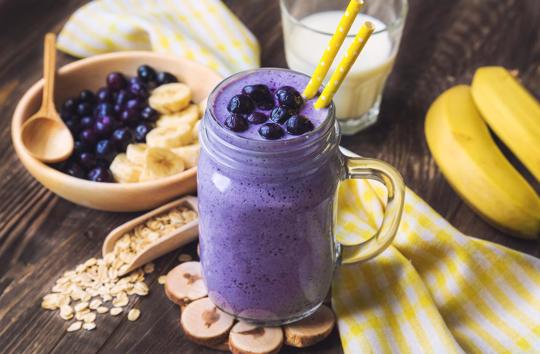
Smoothies are a yummy and invigorating drink made by blending fruits, veggies, and other components.
Often used as a snack or meal replacement, they provide nutrition and are simple to make.
Fruits like berries, bananas, and mangoes form the base, with a liquid such as water, milk, or yogurt added.
All ingredients are blended until creamy.
Customize your smoothie with protein powder, nuts, seeds, or sweeteners like honey or agave syrup.
Enjoy the taste and the vitamins and minerals in a digestible form.
Incorporate more fruit and veg by blending.
Smoothies can be changed to suit dietary choices and restrictions.
Make one that suits you. Perfect for a refreshing and nutritious drink.
What is a Milkshake?
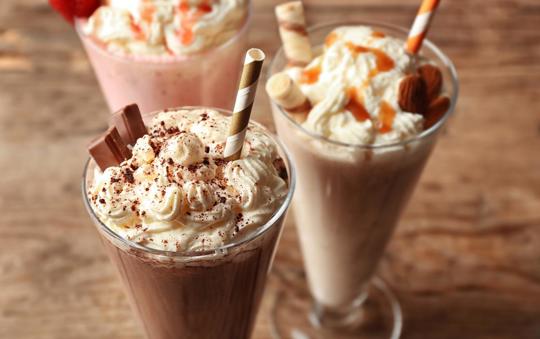
A milkshake is a yummy beverage. It's a mix of creamy ice cream and milk.
Blending them together creates a smooth, thick concoction.
To make it even better, syrups, fruits, and nuts can be added for extra flavor.
Making a milkshake starts with picking the base flavor - like vanilla, chocolate, or strawberry.
Then, you choose what type of milk to use - regular, almond, or soy.
The two are blended until they become one.
Milkshakes can be made in endless ways.
You can use classic flavors or try something new, like salted caramel or cookies and cream.
Add syrups like chocolate fudge or caramel for extra sweetness.
Topping a milkshake with whipped cream, sprinkles, or crushed cookies makes them even more enjoyable.
And don't forget the classic cherry on top.
Differences Between Smoothies and Milkshakes
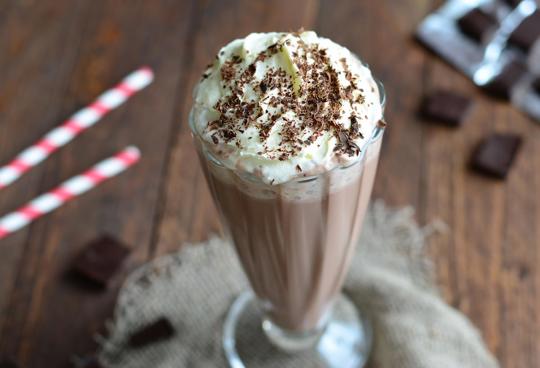
Smoothies and milkshakes may appear similar, yet they are distinct.
Both are scrumptious, blended drinks. Nonetheless, they differ in the ingredients and texture.
Ingredients Used
Smoothies and milkshakes have distinct components.
To make a smoothie, you need fruits, veggies, and liquids like water, juice, or milk.
Popular ingredients include bananas, berries, spinach, and almond milk.
Milkshakes are creamy with dairy products and ice cream.
They get their flavor from syrups or extracts.
They can be customized with sweeteners or protein powders.
So, if you want something fruity and nutritious, go for a smoothie.
And if you're in the mood for something creamy and rich, opt for a milkshake.
Texture and Consistency
Texture and consistency are important to see the difference between a smoothie and a milkshake.
Smoothies have a thick, creamy texture. Milkshakes seem more liquid-like.
Smoothies get their velvet-like texture from fruits, yogurt, and ice.
Milkshakes get their texture from milk and ice cream.
So, depending on your preference, you can choose between a dense treat with the tang of fruit or a lighter drink with the sweetness of ice cream.
Next time, let your palate guide you.
Nutritional Content
Smoothies and milkshakes have some major differences in nutritional content.
Smoothies are made with fruit, yogurt, and sometimes veggies.
They offer vitamins, minerals, and fiber.
Milkshakes have more calories and sugar, due to added ice cream or syrups.
Both can be enjoyed as a snack, but smoothies are healthier.
Content varies based on the recipe.
Plus, some smoothies have added protein powder, giving them a protein boost.
Milkshakes don't normally have this.
Sweetness Level
When discussing sweetness, smoothies and milkshakes differ.
Smoothies generally have natural sweetness from fruits and veggies.
Milkshakes, on the other hand, have added sugars and syrups to enhance their taste.
Smoothies use fresh or frozen fruits, which contain sugars for their sweet flavor.
Vegetables like spinach or kale can also be added for natural sweetness.
Milkshakes are made with dairy, which is neutral in terms of sweetness.
Syrups or sugars are added to create a richer sweetness.
The sweetness level is based on personal preference.
Natural sweeteners such as honey or agave can be added for sweeter smoothies.
Unsweetened ingredients can also be used for less sweet options.
Similarities Between Smoothies and Milkshakes
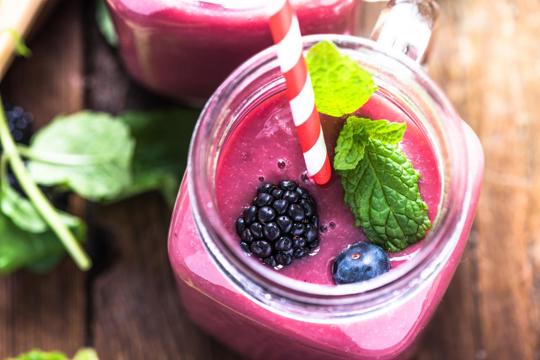
Smoothies and milkshakes may look similar, but there are small differences.
Both cold drinks are popular in the summer.
People often enjoy them as a snack or dessert.
The distinction lies in their ingredients and how they're made.
Smoothies and milkshakes usually have dairy like milk or yogurt.
This makes them creamy and adds flavor.
Fruits like bananas, strawberries, and mangoes make them fruity too.
These fruits also give vitamins and minerals.
The difference is that smoothies are made with juice or water.
This makes them lighter and healthier.
They sometimes also have veggies like spinach or kale.
Milkshakes use ice cream which makes them thicker and creamier.
They also often have flavored syrups or sauces.
Varieties and Popular Flavors of Smoothies and Milkshakes
Smoothies and milkshakes come in a range of varieties and flavors.
From fruity to creamy, there's something for everyone.
Popular smoothies include strawberry banana and mango pineapple.
People also love green smoothies with ingredients like spinach and kale.
Cafes and juice bars now offer unique twists.
For example, dragon fruit or açai berry smoothies.
Milkshakes have evolved too. Try cookies and cream or salted caramel.
For dietary needs, there are vegan and lactose-intolerant options.
Plant-based milk alternatives like almond and coconut milk.
Grab your straw and enjoy the diversity of smoothies and milkshakes.
What to Add to Smoothies and Milkshakes for Extra Flavor
Spice up your smoothie or milkshake with extra ingredients.
Fruity flavors? Mix in some berries, mangoes, or bananas for natural sweetness and vitamins.
Need it creamy? Greek yogurt or avocado will do the trick.
Want to sweeten it? Honey or maple syrup are great options.
Prefer a crunchy texture? Throw in some almonds or chia seeds.
Looking for luxury? Flavor it with vanilla or almond extract.
You can also mix and match different spices and herbs to create your own unique blend.
So get creative and explore the world of flavors waiting to be added to your favorite drink.
When to Choose Smoothie or Milkshake
After looking deep into the differences between a smoothie and a milkshake, we can finally put this age-old debate to rest.
A milkshake is traditionally made with ice cream or frozen yogurt, plus milk and additional flavorings.
Smoothies, on the other hand, can be both highly customizable depending on who's making it and are often filled with more nutritionally dense ingredients like fruits and veggies, protein powder, and seeds.
Whatever you choose as your favorite snack shake depends entirely on what you're feeling up for - whether it's an indulgent treat or a healthier option with added nutritional benefits.
Frequently Asked Questions
The main difference between a smoothie and a milkshake is the base ingredient. They share some similarities but each has qualities that make it better suited for certain recipes.
Often, yes. The two share enough common ground that most palates won't notice a swap.
Smoothie is usually milder while Milkshake brings more intensity.
Nutritional differences exist but are often minor in typical serving sizes. Neither is universally healthier - it depends on what specific nutrients or dietary goals you are focused on.
Which stores better after opening?
Once opened, one keeps better in the refrigerator with proper sealing.
The other may oxidize or separate more quickly, so using it promptly or in smaller quantities works better.