
Summary of key points
The main difference between Gamay and Beaujolais is that Gamay is a grape variety, while Beaujolais is a wine region in France known for producing wines primarily made from the Gamay grape.
Beaujolais wines are typically light-bodied with fruity flavors and low tannins, making them easy to drink and pair with a variety of foods. They are often released in November of each year, a tradition known as Beaujolais Nouveau.
On the other hand, while Gamay wines can be found outside of Beaujolais, they are not as well-known as their Beaujolais counterparts. They are generally medium-bodied with red fruit flavors and slightly higher tannins for a bolder taste.
Gamay and Beaujolais might sound like a fancy duo from a French novel, yet here we are, trying to figure them out. Gamay is a grape, Beaujolais is a party in a bottle, made from that very grape.
We've all been at that dinner table, nodding along as if we knew what our friend was going on about. Beaujolais Nouveau, anyone?
It lands on our tables every third Thursday of November, and suddenly, we're all experts.or pretend to be.
Deciphering this pair is simpler than you might think. No need for a wine course to get the gist.
What is Gamay?
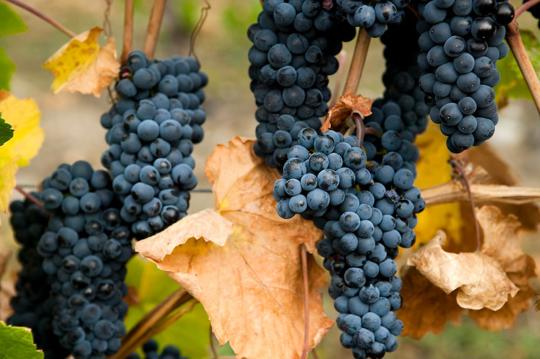
Gamay is a nice red grape from Burgundy, France.
It has gained global fame for its fruity flavors and light body.
Its name comes from Gamay Village in southern Burgundy, where it was first grown in the 14th century.
Gamay wines are famous for their unique taste.
They usually have notes of cherry, raspberry, and strawberry.
Its acidity makes them really enjoyable - see what goes with lemon in desserts ideas for similar bright-pairing concepts.
They are also known for having low tannins, making them smooth and silky.
Unlike Pinot Noir, Gamay is affordable without sacrificing quality.
This makes it a great choice for those on a budget.
Also, different winemaking techniques can be used, such as carbonic maceration, which produces bright, fruity Beaujolais Nouveau wines.
What makes Gamay so special is its ability to express the terroir of various regions.
In addition to Burgundy, it also grows in Beaujolais and Loire Valley in France.
Also, Gamay has been successful in vineyards outside France, like Oregon in the US and Ontario in Canada.
What is Beaujolais?
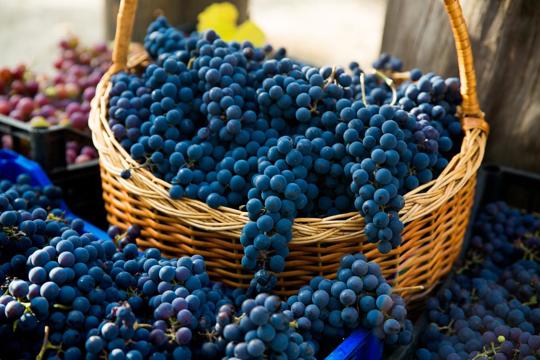
Beaujolais is a red wine from France. It comes from the Beaujolais region.
This wine is known for its fruity flavors.
Notes of strawberry, cherry, and banana can be tasted.
Its unique taste comes from a winemaking method called carbonic maceration.
This means fermenting whole clusters of grapes in a carbon dioxide-rich environment.
Resulting in a low tannin and high acidity wine.
This is usually light-bodied and meant to be enjoyed young.
Pairs well with charcuterie, roasted chicken, and grilled veggies - also consider what to eat with guacamole combos for lively, shared-plate options.
So, if you're looking for a lively red, give Beaujolais a try.
Differences Between Gamay and Beaujolais

Gamay and Beaujolais differ in origin and scope.
Grape Variety
Grape varieties are important for winemaking, as they decide the traits and flavors of the beverage.
Two grapes that people often misunderstand are Gamay and Beaujolais.
Gamay is a red grape while Beaujolais is the French region where the grape is mostly farmed - see white vs green grape comparison guide for more on grape color distinctions.
Gamay grapes create light-bodied reds with low tannins and high acidity.
They have scents of red berries, cherries, and violets.
The flavors are usually juicy, making Gamay a popular choice for easy-sipping.
In contrast, Beaujolais is the area in France where Gamay is farmed.
It has its own winemaking traditions and rules that control the production of Beaujolais wines.
These include vineyard practices, fermentation methods, and ageing requirements.
One interesting part of Beaujolais wines is the usage of carbonic maceration during fermentation.
That includes whole grapes fermented in a carbon dioxide-rich environment prior to being pressed.
The result is a fruity and bright drink with small tannins.
To sum up, while Gamay is a grape variety that creates light-bodied red wines with fruity and floral characteristics, Beaujolais is the region in France where these grapes are cultivated and crafted into distinct wines with traditional winemaking techniques like carbonic maceration.
Knowing the difference can help wine lovers appreciate and enjoy these pleasant offerings.
Origin and Production
Gamay and Beaujolais - two captivating names in the wine world.
But what makes them different?
Gamay grapes come from Central France's magnificent vineyards.
This red grape is strong and bright with fruity flavors.
It is the key ingredient in Beaujolais wines. Beaujolais is not like other wines.
It is made through "carbonic maceration" - whole clusters of Gamay grapes in sealed tanks.
This results in light-bodied wines with low tannins and a fruity taste.
The Beaujolais region also has ten classified crus.
These appellations have their own terroirs, creating a spectrum of unique tastes.
So when you sip a glass of Gamay or a bottle of Beaujolais, remember the secrets behind their origins and production techniques.
Taste and flavor
Gamay and Beaujolais are often confused. Though, there are some major distinctions - read extract vs flavor comparison explained to understand how aroma and taste differ.
Gamay is light to medium bodied, with low tannins and bright acidity.
Plus, it has bright red berry notes like strawberries, raspberries, and cherries.
On the other hand, Beaujolais is made from the Gamay grape in the Beaujolais region of France.
It has floral and fruity aromas, such as hints of banana and bubblegum.
Aging Potential
Aging potential is a wine's ability to grow and show desirable qualities over time.
Gamay, a red grape, has a shorter aging potential than Beaujolais, its well-known wine.
Gamay is recognized for being bright and young.
It should usually be drunk within a few years, as it does not benefit much from aging.
The berry flavors and acidity of Gamay are best tasted when fresh.
However, Beaujolais wines made from Gamay have more aging potential.
Especially with Beaujolais Crus, which come from certain regions.
These wines become more complex with age, displaying earthy smells, smoother tannins, and improved structure.
Be aware that not all Beaujolais wines are made for long-term aging.
Most of Beaujolais Nouveau and basic Beaujolais are meant to be drunk young and fruity.
While Gamay should be drunk young, some Beaujolais can be aged.
Knowing the aging potential of these wines will help choose bottles that suit desired taste and when to drink them, without diminishing quality.
Similarities Between Gamay and Beaujolais

Gamay and Beaujolais have a lot in common.
Gamay is the grape variety used to make Beaujolais wine.
Both are light and fruity and have low tannins, making them smooth and easy to drink.
Both originate from the Burgundy region of France.
Also, they should be served chilled to enjoy their refreshing qualities.
Not all Gamay wines are labeled as Beaujolais.
Some winemakers outside the Beaujolais region make Gamay wines with their own unique style.
Beaujolais Crus: A Special Category
Beaujolais Crus wines have a special place in the world of wine.
They come from ten villages in France's Beaujolais region.
The "Beaujolais Cru" designation means higher quality and complexity compared to other Beaujolais wines.
Each village has its own personality and unique flavors and aromas.
From the floral and fruity Fleurie to the structured Morgon.
What makes Beaujolais Crus stand out is not only their quality but also their aging potential.
Unlike other Beaujolais, these can be cellared. With time, they become more complex.
Beaujolais Crus are made using a process called carbonic maceration.
This involves fermenting whole grapes in sealed tanks filled with carbon dioxide.
This enhances the fruity and aromatic qualities of Gamay grapes.
Labels that signal higher quality in wine resemble food-grade distinctions; special vs lump crab meat comparison shows how naming reflects quality and use.
Food Pairings for Gamay and Beaujolais
Gamay and Beaujolais wines are famous for their food pairing ability - for preparing silky sides, see food mill vs ricer comparison for sides.
Gamay's light, fruity taste makes it perfect with charcuterie, roasted chicken, or grilled salmon.
Beaujolais, especially Cru Beaujolais, is bold enough for beef stews, barbecued ribs, or game meats.
Both wines also pair nicely with soft cheeses like Brie or Camembert.
Gamay's high acidity and low tannins make it a perfect match for spicy cuisine, such as Thai or Indian dishes.
So, whatever wine you choose, it will be easy to find a delicious food pairing to improve your dining experience.
Flavor Characteristics of Gamay vs Beaujolais Wines
After exploring these two wines, it is evident that they are made from different grapes in different regions; however, the regional differences between them do not necessarily make either a superior wine.
Instead, both can create some fantastic and very enjoyable blends that suit various palates.
In short, choosing which to opt for depends on personal preference: do you prefer the lighter body of Gamay or the more full-bodied Beaujolais? Ultimately, there is no right or wrong answer - just a matter of preferences as far as varietals are concerned.
And no matter what side of the fence (Gamay or Beaujolais) you land on in this debate, it's always better to sip and savor either than to miss out entirely.
So why not use this insight and gain an even better appreciation for both wines? To gain a further understanding behind what makes each so distinctive implies that your enjoyment of either could increase exponentially with just a little bit more knowledge.
Plus, have fun exploring all that both Gamay and Beaujolais has to offer.
Kitchen tools affect texture and pairing. food mill vs ricer comparison for sides helps choose the right prep method. For bold sandwich-style pairings, big-taste vegan sandwich recipes for flavor offers hearty options.
Frequently Asked Questions
On the other hand, while Gamay wines can be found outside of Beaujolais, they are not as well-known as their Beaujolais counterparts. They share some similarities but each has qualities that make it better suited for certain recipes.
It depends on the dish. Gamay and Beaujolais share some overlap, but each shines in different preparations.
Swapping works best in forgiving recipes like soups or stews.
Pricing varies by brand and region, but one is typically more accessible at everyday price points. The other may cost more due to specialization or limited supply.
Is there a best time to use each one?
One shines in applications requiring subtlety and background support.
The other is better when it is meant to be a center.
Matching the right one to its role makes a noticeable difference.