
Summary of key points
The main difference between button mushrooms and portobello mushrooms is their age and size. Button mushrooms are young, small, and have a smooth cap, while portobellos are matured, larger, and have a more textured cap with visible gills underneath.
This distinction affects the flavor of these two types of mushrooms. Button mushrooms have a mild and slightly nutty flavor, while portobellos have a meatier and more earthy taste.
They are also used differently in cooking, with button mushrooms being popular for sautéing or adding to soups and stews, while portobellos are often grilled or roasted as a standalone dish.
In terms of nutrition, both types of mushrooms offer similar health benefits and can be part of a healthy diet. However, portobellos are a good source of antioxidants and minerals due to their matured state.
Button mushrooms and portobellos seem like distant relatives at a family reunion. Same DNA, different vibes.
Here's a quick lowdown.
We once threw a party and mixed them up. Our pasta dish got rave reviews.
That's how we learned-they're not interchangeable.
Portobellos are just grown-up buttons. Bet you didn't see that coming.
Mushrooms, folks. They're full of surprises.
What are Button Mushrooms?

Button mushrooms, also known as white mushrooms, are small and round.
They have a mild flavor and a smooth texture. Plus, a subtle earthy aroma.
Chefs and home cooks alike use them in salads, soups, stir-fries, and sauces.
Their appearance? Pale beige or white with tightly closed caps.
As they mature, the caps open slightly, revealing the gills underneath. The stems are slender and firm.
What sets button mushrooms apart? Their ability to absorb flavors.
Perfect for dishes that require a depth of taste.
Paired with ingredients and spices, they create delicious flavors.
Plus, they offer health benefits. Rich in vitamins B and D, potassium, selenium, and antioxidants.
Low in calories and fat, while being high in fiber and protein.
Button mushrooms are a versatile fungi.
They add flavor to dishes, plus offer nutritional value.
Great for a balanced diet and overall well-being.
What are Portobello Mushrooms?
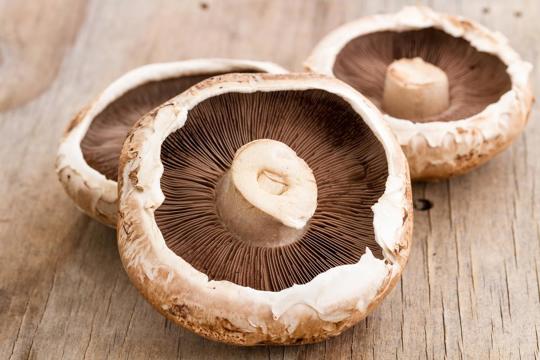
Portobello mushrooms - beloved by mushroom fans for their size and hearty texture.
These fungi are the same as white button mushrooms, only they are allowed to grow to full maturity.
This yields a darker cap and a more intense flavor.
When cooking, these mushrooms are hugely versatile.
Grill, roast, stuff, slice - for stir-fries, salads, and more.
Portobellos hold their shape well on the grill and can even be used as a veggie burger substitute.
Plus, they are nutritious. Low in cal and fat, but packing vitamins, minerals, and fiber.
Especially high in potassium, essential for healthy blood pressure.
The standout feature of Portobello mushrooms is their maturity.
Button mushrooms are picked early, but Portobellos mature fully - giving them a denser, earthier taste.
Differences Between Button Mushrooms and Portobello Mushrooms

Button mushrooms and portobello mushrooms may look similar, but they have distinct qualities.
Size and Appearance
Button mushrooms are small and round, around an inch in size.
They start off white but become brown as they mature.
Portobello mushrooms, however, are larger and more distinct.
They can grow up to six inches and have a dark brown cap with light brown gills.
The texture of the two mushrooms also differs.
Button mushrooms are firm raw but tender when cooked.
Portobello mushrooms stay dense even after cooking.
flavor
Button mushrooms and portobello mushrooms look alike, yet they have distinct flavors.
Button mushrooms offer a delicate taste and earthy flavor that can enhance a dish without overpowering it.
Portobello mushrooms, however, have a richer and strong flavor.
Their meaty texture and strong taste make them great for veggie burgers and grilling.
Button mushrooms are versatile and can be cooked in many ways.
They can be sautéed, roasted, added to soups or stews, or even eaten raw in salads.
Their mild flavor allows them to mix well with other ingredients.
Portobello mushrooms are the star of the show.
Marinating and grilling them yields amazing results.
Or, try stuffing them with cheeses or breadcrumbs.
The meaty texture makes them a filling meal.
These mushrooms are from the same species.
Button mushrooms are young white agaricus bisporus mushrooms picked early.
It's interesting how mushroom growers cater to different palates by offering different types of mushrooms.
Texture and Cooking Applications
Button mushrooms, also known as white mushrooms, are delicate and mild-flavored.
They have smooth textures and are great for salads, soups, and stir-fries.
Portobello mushrooms, however, have strong and meaty textures.
They can be used as veggie alternatives to burgers or grilled and stuffed with fillings.
The firmness of portobellos means they won't get mushy or watery during cooking.
Both mushrooms offer unique tastes and can make any dish special.
So, no matter if you prefer the delicate button mushrooms or the hearty portobellos, these fungi have something for everyone.
Nutritional Differences
Button mushrooms and portobello mushrooms may look alike, but they are nutritionally distinct.
Button mushrooms have low calories and contain essential vitamins and minerals like potassium, selenium, and vitamin B2.
They also provide fiber and protein.
Yet, portobello mushrooms have more calories and carbohydrates than button mushrooms.
But they also have a higher amount of protein and dietary fiber.
In terms of micronutrients, button mushrooms have more niacin and folate than portobello mushrooms.
Niacin is important for metabolizing energy and keeping skin healthy.
Folate, too, is essential for cell development and function.
Button mushrooms have a mild taste that makes them suitable for various dishes.
Portobello mushrooms, on the other hand, have a richer and meatier flavor, making them a great vegetarian alternative for meat.
Both mushrooms offer nutritional value, so consider your dietary needs when deciding between them.
Button mushrooms have a subtle taste, while portobello mushrooms offer a filling flavor.
Either way, adding these fungi to meals will give your body a boost of vitamins, minerals, and fiber for good health.
Similarities Between Button Mushrooms and Portobello Mushrooms

Button mushrooms and Portobello mushrooms both belong to the same species, Agaricus bisporus.
They have a similar appearance, with a round cap and stem.
In terms of flavor, they have a mild, earthy taste.
Plus, they are low in calories and fat.
Nutrients such as protein, fiber, vitamins and minerals are provided by both.
But, there are unique details which set them apart.
Button mushrooms are small, with a cap diameter of around one inch.
Whereas, Portobello mushrooms are much bigger, with a cap diameter of four to six inches.
This size difference affects their texture too.
Button mushrooms are softer, and Portobello mushrooms are meatier.
At harvest, button mushrooms are young and still closed.
Whereas, Portobello mushrooms are allowed to mature until their gills become visible.
This results in a more intense flavor for Portobello mushrooms.
Portobello mushrooms are also preferred for grilling or stuffing, due to their size and denser texture.
They hold up well during cooking, making them great for hearty veggie meals or burger substitutes.
Both mushrooms share many similarities, their differences in size, texture, and flavor make them unique.
Consider your culinary needs when choosing between these two mushrooms.
Culinary Uses and Recipes for Button Mushrooms and Portobello Mushrooms
Button mushrooms and portobello mushrooms possess their own unique flavors, textures, and appearances.
Button mushrooms are small and delicate with a mild taste.
They make great ingredients for salads, stir-fries, soups, and sauces.
They can also be stuffed, diced, or sliced for pizza toppings or pasta dishes.
Portobello mushrooms are larger with a meaty texture.
They can be used as a stand-alone ingredient in vegetarian main courses or served as a burger substitute.
When cooked, they develop an earthy flavor.
Also, the caps of button mushrooms are round and smooth, while portobellos have broader caps with dark gills.
Nutritionally, button mushrooms are a good source of vitamin B2, while portobellos contain higher amounts of potassium.
Both types of mushrooms are versatile and provide health benefits.
Choosing Between Button Mushrooms and Portobello Mushrooms
Button mushrooms and Portobello mushrooms - two popular fungi.
They look alike, there are differences that may affect what you pick for cooking or eating.
Button mushrooms, also known as white mushrooms, are smaller and milder in taste.
These are found everywhere, and great for salads, stir-fries and soups.
Their delicate texture and subtle flavor make them a good addition to dishes, without overpowering other flavors.
Portobello mushrooms, on the other hand, are larger and stronger-tasting.
They have a dense texture and hold up well when cooked.
Perfect for grilling, stuffing, or as a veggie burger patty.
Their earthy flavor improves dishes, and they can be spiced up with marinades or seasonings.
Button mushrooms are quite versatile with their mild taste.
Portobello mushrooms' distinct flavor works best in specific dishes that need a bolder mushroom presence.
Size and Flavor: Button Mushrooms vs Portobello
After our exploration of the differences between button mushrooms and portobello mushrooms, it seems the answer is clear - they are both edible fungi that have their own special characteristics.
The two types of mushrooms differ in their size, shape, texture, flavor, and nutritional value.
Button mushrooms tend to be small and more flavorful while portobellos usually have a milder flavor but more fiber and potassium.
With all these differences in mind, you can choose which type of mushroom best suits your needs.
Whether it's for cooking or for salads or a variety platter, you can rest assured that either mushroom will provide you with an enjoyable experience.
So go ahead - try some new recipes using either button or portobello mushrooms and see which one you like best.
Who knows? You might just discover a new favorite.
Frequently Asked Questions
The main difference between button mushrooms and portobello mushrooms is their age and size. They share some similarities but each has qualities that make it better suited for certain recipes.
It depends on the dish. Button Mushrooms and Portobello share some overlap, but each shines in different preparations.
Swapping works best in forgiving recipes like soups or stews.
Pricing varies by brand and region, but one is typically more accessible at everyday price points. The other may cost more due to specialization or limited supply.
Is there a best time to use each one?
One shines in applications requiring subtlety and background support.
The other is better when it is meant to be a center.
Matching the right one to its role makes a noticeable difference.