
Summary of key points
The main difference between cooked and raw shrimp is, of course, the method of preparation. Cooked shrimp have been boiled or steamed until they turn pink and are firm to the touch.
Raw shrimp, on the other hand, are uncooked and have a grayish color. Also, cooked shrimp can be eaten cold or heated up for dishes like stir-fries or pastas, while raw shrimp must be cooked before consumption.
Some people prefer the texture and taste of cooked shrimp, while others enjoy the sweetness and tenderness of raw shrimp. Both are delicious options for seafood lovers and can be used in a variety of dishes.
Ever stared at shrimp and thought, "Is this cooked enough?" We all have. Here's a clue: Color.
Cooked shrimp turn a nice pinkish hue. Raw shrimp?
More of a gray-ish transparency.
Texture's another giveaway. Cooked feels firmer, while raw shrimp are kinda slimy.
Ever bitten into one that's a bit too. squishy? Not our finest moment.
Cooking shrimp isn't just a flavor game. It's a safety dance with bacteria.
We prefer ours without a side of food poisoning, thank you very much.
Next time, before you serve, give that shrimp a second look. Your stomach will thank you.
What is Cooked Shrimp?

Cooked shrimps are shrimps that have been heated.
Boiling, steaming, grilling, or frying are all cooking methods used.
This process not only cooks the meat but also enhances its flavor and texture.
The grey-ish color of raw shrimp transforms to a pinkish hue when cooked.
This is due to proteins denaturing, making the texture firmer and more opaque.
Also, cooking kills any bacteria or parasites that may be in raw shrimp.
Hot or cold - cooked shrimp are used in salads, pasta, stir-fry, tacos, or enjoyed on their own with a dipping sauce.
They have a savory taste and a tender bite.
Nutritionally, cooked shrimp provide a good source of lean protein plus vitamins and minerals such as B12, selenium, and iodine.
Low in calories and fat, they make a great seafood option.
Overall, cooked shrimp offer a convenient way to enjoy this seafood delicacy.
Quick weekday meals or fancy dinner dishes - cooked shrimp can easily be used in recipes.
Satisfy your cravings for seafood.
Cooked shrimp pair well with bright, acidic elements - think citrus, which plays a similar contrasting role to desserts that include lemon; see what goes with lemon in desserts for complementary flavor ideas.
What is Raw Shrimp?
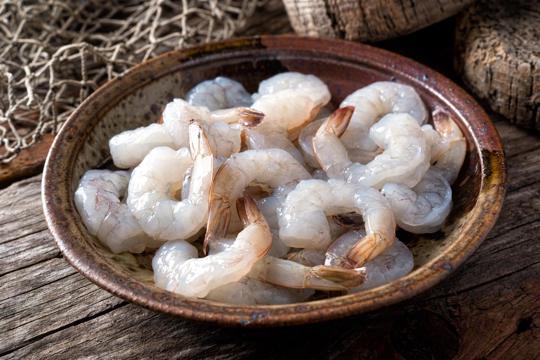
Raw shrimps are uncooked shrimp without heat treatment.
They come directly from the ocean. They look translucent and grayish.
Raw shrimp have a tender texture and a subtle sweet flavor that can differ depending on the species.
You can boil, grill, or sauté them. They are also used for dishes like ceviche or sushi.
Raw shrimp offer lots of yummy possibilities for seafood lovers.
Raw shrimp have a delicate sweetness and ocean-fresh notes - similar to how raw cacao taste guide describes subtle natural flavor complexities in another ingredient.
Differences Between Cooked and Raw Shrimp

Cooked shrimp is heat-treated, changing its color to pink or orange and improving its flavor - see shrimp vs chicken comparison to contrast seafood and poultry.
Its flesh becomes firm and tender, making it easier to chew.
Heat also eliminates any bacteria or parasites that may be present in raw shrimp.
Appearance and Color
Shrimp can look different, depending on if they are cooked or raw. Cooked shrimp turn a bright pink.
This happens because heat changes proteins in the shrimp.
Raw shrimp have a grayish hue, with hints of green and blue.
The exact color depends on the species and freshness.
Cooked shrimp look appealing and are ready to be eaten.
The pink color tells you they are cooked and safe.
The texture also changes when shrimp is cooked - it becomes firm and tender.
Raw shrimp have a more muted color palette, with a glossy appearance.
This is because they keep their natural pigmentation before heating.
They may not look exciting, but they can be turned into delicious dishes.
Cooked and raw shrimp have unique looks and colors.
Cooked shrimp look great and are ready to eat.
Raw shrimp have subtler shades, but offer a chance to create delicious meals.
Texture and Tenderness
Texture and tenderness are key when it comes to cooked and raw shrimp.
Cooked shrimp are firmer and more juicy.
When cooked, the muscle fibers in shrimp contract, resulting in a denser texture.
This makes them more tender and enjoyable to eat.
Cooking also affects the flavor of shrimp.
Raw shrimp are milder and sweeter. But cooked shrimp turn out richer and more savory.
Cooking helps bring out the natural flavors of shrimp and make them even tastier.
It's important not to overcook shrimp. Otherwise, they can become rubbery and tough.
To ensure optimal texture and tenderness, they should be cooked until just firm and opaque.
Flavor and Aroma
Cooked shrimp has a savory flavor with a sweet undertone. Its aroma is rich and tasty.
Raw shrimp, however, has a milder taste, similar to the ocean, and a touch of sweetness.
Its aroma is fresh and salty, like the sea.
Cooked shrimp has a firmer texture compared to raw shrimp, adding more texture to each bite.
Raw shrimp, however, has a softer texture that can be marinated or used in sushi.
Whether you prefer the strong flavors of cooked shrimp or the delicate tastes of raw shrimp, both offer their own distinct charm - compare extract vs flavor breakdown to better describe what 'flavor' conveys.
It comes down to personal preference and how you plan to use them in your cooking.
Safety and Preparation
Considering shrimp? First off, cooked is generally safer than raw.
Cooked should have a firm feel and opaque color.
Ready to eat right away - salads, pasta dishes, as an appetizer.
Raw shrimp needs attention.
Thaw in fridge first, then cook until it hits 145°F (63°C).
You can grill, sauté, or add to stir-fries or sushi rolls.
But remember: raw carries a higher risk of foodborne illnesses if not handled and cooked properly.
Similarities Between Cooked and Raw Shrimp

Cooked and raw shrimp look alike. Both have long, segmented shells.
Also, both are high in protein and contain omega-3 fatty acids. They have a delicate, sweet flavor - for a side-by-side look at similar crustaceans, read shrimp vs lobster comparison.
When handling either type of shrimp, it is important to be careful to avoid bacteria.
However, cooking brings differences. Texture, color, and taste all change.
Cooked shrimp are firm and opaque, and the flavor intensifies.
Cooking Methods for Cooked and Raw Shrimp
Cooking up cooked and raw shrimp? Boil, grill or sauté the raw ones.
Enjoy cooked shrimp as-is, or in salads, soups and stir-fries.
Marinate raw shrimp to enhance flavors - for when to use wine-based components versus acidic swaps, see white cooking wine vs vinegar comparison.
For a clean presentation, peel and devein them before cooking.
Mastering different techniques lets you be versatile with cooked and raw shrimp dishes.
Culinary Uses of Cooked and Raw Shrimp
Raw shrimp are great for dishes like ceviche and sushi. But cooked shrimp are far more versatile.
Add 'em to salads, pastas, stir-fries, or eat 'em cold with cocktail sauce.
Perfect for fast meal preps. Remember to be careful when handling raw shrimp.
Clean and devein it before cooking.
And don't overcook it - shrimp turn pink and opaque when done.
If you cook it too long, it'll get rubbery.
Cooked shrimp offer a different experience when cold.
They can be chilled for a seafood salad or served with cocktail sauce.
That's why they have so many culinary uses.
Raw and cooked shrimp offer unique uses.
Raw shrimp are great for acidic dishes.
Cooked shrimp are versatile, and can be enjoyed hot or cold.
With this knowledge, you can improve your seafood dishes.
If a recipe calls for shrimp paste, several alternatives can stand in without overpowering shrimp dishes - see shrimp paste substitute ideas for suitable swaps.
Nutritional and Taste Differences: Cooked vs Raw Shrimp
After diving into the various differences between cooked and raw shrimp, it's clear to see why so many people get confused between the two.
While both types of shrimp offer delicious, nutritional benefits, it is important to know which type of shrimp should be used when cooking or eating for the best flavor and texture.
Cooked shrimp retains its firmness and subtle sweetness, making it ideal for salads, appetizers, stir-fries, and other dishes.
On the other hand, raw shrimp's subtle flavor and delicate texture makes it perfect for sushi and other recipes that require light seasoning and minimal cooking time.
In either situation you have an incredibly versatile seafood option that can make any dish taste fresh and tasty.
However, if you are uncertain which one to use for your recipe it is always best to consult a professional or experienced meal preparer for advice to ensure your dish comes out great.
Frequently Asked Questions
The main difference between cooked and raw shrimp is, of course, the method of preparation. They share some similarities but each has qualities that make it better suited for certain recipes.
They can stand in for each other in a pinch. Cooked and Raw Shrimp overlap in some uses, but the flavor or texture will shift.
Adjust quantities to taste.
Shelf life differs based on processing and packaging. One often keeps longer unopened, while the other may need refrigeration or faster use after opening.
Which one is more forgiving in recipes?
One tends to perform more consistently across a range of cooking methods, making it the safer choice when experimenting.
The other delivers stronger results in specific applications.
Seafood substitutions can help when shrimp aren't available. Seafood substitutions: 5 best substitutes for shrimps lists practical options. Seafood sensation: 5 best dried shrimp substitutes covers alternatives specific to dried shrimp.