
Summary of key points
The main difference between scallopini and piccata is their preparation method. Scallopini is a thin cut of meat, typically veal or chicken, that is pounded and then breaded and cooked in a pan.
On the other hand, piccata refers to a dish made with thinly sliced meat that is sautéed and served with a lemon-caper sauce.
Both dishes have a similar flavor, but scallopini is typically served as a main course while piccata can be served over pasta or rice. Regardless of which dish you choose, both are delicious and versatile options for incorporating meat into your meals.
Scallopini and Piccata. Two giants in the Italian kitchen.
T4Yet, misunderstanding reigns.T5
We often mix them up. It's the sauce, folks.
That's the big secret. Scallopini is a method.
Thinly sliced meat, could be veal, chicken, you name it.
Lightly dredged in flour, then pan-fried.
Piccata? That's where things get zesty.
Lemon, butter, capers. Bam! It's a sauce.
Usually hugs our friend chicken or veal.
I goofed once. Tried to impress a date.
Mixed them up. She noticed. We laughed.
Learned a lesson.
We're here to clear the mix-up. Straightforward, yet amusing.
Like deciphering a joke that landed just right.
What is Scallopini?

Scallopini - a favorite among many. This Italian classic is made with thinly pounded meat, like chicken, veal, or pork.
It's then lightly seasoned and sautéed until golden brown.
What makes scallopini unique is the pleasant sauce it's served with.
A popular option is the lemon caper sauce; combining zesty lemon juice, white wine, capers, and butter for a perfect balance of flavors - for ideas of complimentary citrus pairings, see what pairs with lemon in desserts.
Scallopini is versatile, too. Serve it as the main course with pasta or mashed potatoes.
Or, use it as a filling for sandwiches or wraps.
It's ideal for both casual and formal gatherings.
What is Piccata?
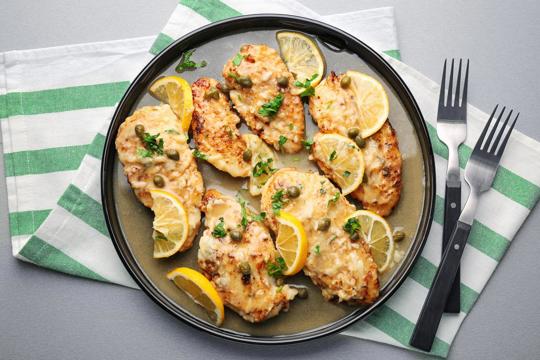
Piccata is an Italian dish well-known for its deliciousness.
It's made with thin slices of chicken or veal which are sautéed to perfection.
And it's served with a zesty lemon-butter sauce.
The tender meat and tangy sauce balance each other perfectly, tempting the palate.
The origins of piccata trace back to Italy.
It's popular worldwide and has a unique preparation method.
The meat is floured to create a crunchy texture when cooked.
Then it's quickly sautéed in olive oil until golden.
The signature lemon-butter sauce adds pleasant citrus flavor and a silky texture.
Plus, capers give it a tangy, salty element. This is what makes piccata so special.
You can make piccata with chicken or veal. It's great with pasta or steamed veggies.
It's simple yet elegant, sure to impress even the pickiest of diners. So why not give it a go?
Piccata's bright, tangy profile pairs well with crisp sides; for inspiration on complementary textures, browse what to eat with guacamole combos to see how creamy and crunchy elements work together.
Differences Between Scallopini and Piccata

Scallopini and piccata may seem similar, but they have distinct differences.
They both come from Italian cuisine. However, their preparation and flavors set them apart.
If choosing a side to highlight either method, chicken scallopini side dish ideas offer seven complementary options that suit scallopini's richer sauces.
Ingredients Used
Ingredients make a difference.
Scallopini and piccata have variations in ingredients.
Scallopini uses thinly sliced meat (chicken, veal).
It's coated in flour and cooked in butter/oil.
Finished off with a sauce made from wine, lemon juice, and capers - adding a tangy, savory note.
Piccata also has thinly sliced meat.
Dredged in breadcrumbs/Parmesan cheese before sautéing.
The sauce is lemon juice, white wine, and butter, giving it a zesty, rich taste.
Piccata has one unique aspect - lemon slices cooked alongside the meat.
They add citrus flavor and a pleasing touch.
This sets piccata apart from scallopini.
Both use thinly sliced meat, same cooking techniques - but coatings and sauces are what make each dish unique.
Whether you prefer tangy capers or rich Parmesan, both offer flavors to satisfy your palate.
Cooking Method
Cooking can really change a dish. Scallopini and Piccata are two examples of this.
How? Their cooking methods.
Scallopini is a way of prepping meat or fish. Slice thinly, coat in flour, then sauté in butter or oil.
The result? Juicy meat with a golden brown crust.
Piccata follows a different method.
Pound the meat thin, dredge in flour, then quickly sauté in a pan with lemon juice, capers, and butter/olive oil.
Both require ingredients like flour and oil - and sometimes a splash of wine or acid changes the finish; compare white cooking wine vs vinegar comparison to see which suits pan sauces best.
But their cooking methods make them unique.
Scallopini focuses on a crispy crust while keeping the inside moist.
Piccata emphasizes the lemony flavors.
Conclusion: although similar, Scallopini and Piccata differ in their cooking methods.
Whether you prefer crispiness or zestiness, they offer a nice cooking experience.
Sauce and Flavor
Sauce and flavor are important to distinguish Scallopini from Piccata.
Both dishes use thinly sliced meat. But, the key difference lies in the sauce.
Scallopini often has a creamy sauce with mushrooms or wine.
Piccata has a tangy sauce made from lemon juice, capers, and butter.
The sauces give each dish its own flavor.
So, if you like velvety Scallopini or zesty Piccata, both will tempt your palate.
Sauces define regional profiles; for a quick comparison of two bold sauce styles, see red vs green enchilada sauce comparison to understand how different bases shift a dish's flavor.
Similarities Between Scallopini and Piccata

Scallopini and Piccata might seem similar.
Both dishes feature tender meat that's pan-fried for a golden crust.
Plus, they often have a tangy sauce with lemon juice and capers.
But there are differences.
Scallopini usually has veal or chicken that's pounded before cooking.
Piccata can use any type of meat, like fish.
Also, Scallopini has a creamy sauce with butter and cream.
Piccata has a lighter sauce from pan drippings, lemon juice and white wine.
For side dish inspiration that pairs with piccata's lemony sauce, see veal piccata side dish ideas which lists seven tasty accompaniments.
Serving and Pairing Differences
Serving and pairing styles are key to understanding the difference between scallopinis and piccata.
Scallopinis are served with a creamy sauce, best paired with strong red wines or full-bodied Chardonnays.
Piccata, however, come with a zesty lemon sauce that pairs well with crisp white wines like Sauvignon Blanc or Pinot Grigio.
Presentation is also distinct between the two. Scallopinis are usually presented as individual portions.
Whereas piccata is plated as a whole piece of meat topped with the lemon sauce and garnished with capers or parsley.
These unique details separate scallopinis and piccata.
Knowing them helps you appreciate each dish for its own culinary merits.
Sauce and Preparation: Scallopini vs Piccata
After exploring the differences between scallopini and piccata, it's clear that while they may look very similar, there are key elements that set these two Italian dishes apart.
Although both feature a thin cutlet of meat cooked in a lemon butter sauce, the difference lies in the type of meat used and sauce texture.
While piccata favors a more acidic flavor due to the lemon juice presence in the sauce, scallopini takes a more subtle approach as there is usually only a fraction of butter added to the dish prior to cooking.
So, no matter which one you end up ordering-whether it's scallopini or piccata-you will be sure to enjoy an authentically delicious Italian meal at your next restaurant outing.
Compare complementary side options for similar mains: What to Serve with Chicken Piccata? 8 TASTY Side Dishes and chicken scallopini side dish ideas both list crowd-pleasing pairings.
Frequently Asked Questions
The main difference between scallopini and piccata is their preparation method. They share some similarities but each has qualities that make it better suited for certain recipes.
It depends on the dish. Scallopini and Piccata share some overlap, but each shines in different preparations.
Swapping works best in forgiving recipes like soups or stews.
Pricing varies by brand and region, but one is typically more accessible at everyday price points. The other may cost more due to specialization or limited supply.
Is there a best time to use each one?
One shines in applications requiring subtlety and background support.
The other is better when it is meant to be a center.
Matching the right one to its role makes a noticeable difference.