
Do red and green enchilada sauce taste different?
Or are they simply just two versions of the same thing when it comes down to flavor?
That's a question I had been asking myself ever since I first made enchiladas with both sauces.
For those that also wanted to learn more about this separation between two seemingly similar products, this blog post will go into detail on what makes each one differently in terms of aroma, texture, heat level, and even how to best serve them up.
Get ready for an interesting get into the mysterious world of Mexican cuisine's beloved yet perplexing condiment-red vs. green enchilada sauce.

What is Red Enchilada Sauce?

Red enchilada sauce is a deep, rich sauce with a bold, spicy flavor that is beloved by many - a similar contrast in red-versus-green flavor profiles appears in red curry vs yellow curry comparison.
It is made from a combination of dried chilies, garlic, onion, tomato, and spices like cumin, oregano, and smoked paprika.
The dried chilies used to make the sauce range from mild to hot, with varieties like ancho, guajillo, and New Mexico chilies being popular choices.
The chilies are toasted to bring out their flavor and then pureed with the other ingredients to create a rich, intensely flavored sauce.
Red enchilada sauce is a staple in Mexican cuisine, often used to flavor and moisten corn tortillas filled with cheese, meat, or vegetables.
It can also be used as a dip for tortilla chips or as a marinade for meats.
Overall, red enchilada sauce is a versatile and delicious ingredient that is sure to spice up any meal.
What is Green Enchilada Sauce?
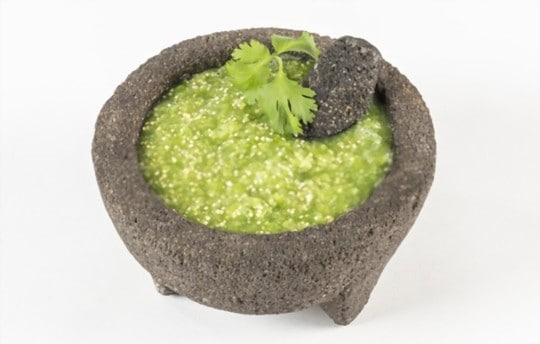
Green enchilada sauce is a tangy, mildly spicy sauce made from green chilies, tomatillos, onion, garlic, and cilantro - for a similar green-versus-green ingredient comparison see napa cabbage vs green cabbage comparison.
It is typically used as a topping or dip for dishes such as enchiladas, tacos, and burritos.
The sauce has its origins in Mexican cuisine but has since become popular in many countries around the world.
- Green enchilada sauce gets its color from the main ingredient, tomatillos.
- The sauce is usually milder than its red counterpart due to the presence of green chili peppers which are less spicy compared to the red chili peppers.
- Roasting or boiling the ingredients before blending them together enhances their flavor and promotes caramelization that gives it its distinct taste.
- Cheese can also be added to the green enchilada sauce for a creamier texture.
- Green enchilada sauce formulations vary depending on regions and personal preferences; meaning there is no single way of making this flexible sauce.
This flavorful and healthy sauce can also be customized with various ingredients such as jalapenos for extra heat or lime juice for extra tanginess.
It is gluten-free making it an ideal choice for those with gluten intolerance.
The popularity of green enchilada sauce has greatly increased owing to its appealing color and taste when served alongside Tex-Mex favorites like quesadillas or huevos rancheros.
With all these exciting characteristics combined, it's no wonder why green enchilada sauce remains a classic cultural staple among households worldwide.
Differences Between Red and Green Enchilada Sauce

Red and green enchilada sauce are two different types of sauces used in Mexican cuisine.
Red enchilada sauce is made from dried red chilies, while green enchilada sauce is made from tomatillos and green chilies.
Both have a distinct taste and can be used for different dishes.
Both sauces are versatile and can be used for various recipes, but the choice depends on the preference of the dish one is preparing.
Red sauce brings depth of flavor in meat-based dishes, while green sauce adds freshness in seafood or vegetable-based meals - similar color-and-use distinctions can be seen in golden beets vs red beets comparison.
Ingredients Used
The two leading varieties of enchilada sauce are Red and Green, each with a unique set of ingredients used to create its flavor.
While both sauces contain some common elements like tomatoes and chili peppers, their distinctive flavors come from the differing spices, herbs, and vegetables employed in making them.
These ingredients also affect the viscosity and texture of each sauce, hence making it easier to choose between the two based on one's preference.
To determine which sauce is better suited for your palate, it is necessary to take into account the type of dish you plan on consuming.
For example, green enchilada sauce pairs well with seafood or chicken dishes due to its tangy-sour taste derived from the addition of green peppers such as jalapeño or serrano.
On the contrary, red enchilada sauce is rich and savory with a hint of sweetness which might be better served when paired with beef or pork-based recipes.
Choosing an ideal sauce can also depend on dietary restrictions as green estival verde sauce may be made without gluten whereas red estival adobo typically contains wheat flour.
Understanding and experimenting with different flavors that these sauces offer can be an excellent way to explore Mexican cuisine.
Flavor and Spice Level
The taste and heat level of enchilada sauces play a significant role in determining which type to use in your recipe.
The blend of spices, herbs, and chili peppers used in red and green sauce varies, resulting in distinct flavors and spiciness - see a related look at concentrated versus subtle seasoning in extract vs flavor comparison.
- Red enchilada sauce has a moderately spicy flavor with a smoky sweetness that comes from the dried chili peppers used. It is rich and earthy, making it perfect for meat-based fillings.
- Green enchilada sauce has a milder spice level with a tangy and fresh herbaceous flavor due to the addition of tomatillos and jalapenos. It pairs well with vegetable fillings or chicken dishes.
- Some varieties of green enchilada sauces include additional heat sources such as serrano or poblano peppers, which can increase the overall spice level.
It is essential to consider personal preference and the overall flavor of your dish when choosing between red or green enchilada sauce.
Both options offer unique flavors that can enhance various types of fillings.
Texture and Consistency
The mouthfeel and thickness of enchilada sauce matters in its taste and overall appeal.
The consistency of the sauce is affected by the quality of ingredients used, such as the type and ripeness of chili peppers, quantity of thickening agents like flour or cornstarch, and method of preparation.
Proper blending and simmering can give you a smooth texture with no lumps or bumps.
Experimentation with these factors can result in a unique flavor.
In addition, the choice between red or green sauce affects not only the color but also its texture, thickness, and tanginess levels.
Regional Variations
Mexican Cuisine presents an array of regional variations in its food, ranging from the ingredients to cooking techniques.
These differences strongly influence the flavors of many famous Mexican dishes, including the iconic enchiladas.
With red and green enchilada sauces being two popular options when it comes to this beloved dish, both variations have their unique regional influences.
The green sauce derives from the coastal state of Tamaulipas, where tomatoes are scarcely used in cooking, while the red sauce signifies inland states like Michoacán, where tomatoes form a important part of daily diets.
Apart from these differences in origin and flavor, other regional ingredients like fresh cilantro and tomatillos contribute to giving each variation its distinct taste and color.
Hence when choosing between Red vs Green Enchilada Sauce, one must consider both traditional choices' flavors before deciding which one better suits their preferences.
Similarities Between Red and Green Enchilada Sauce
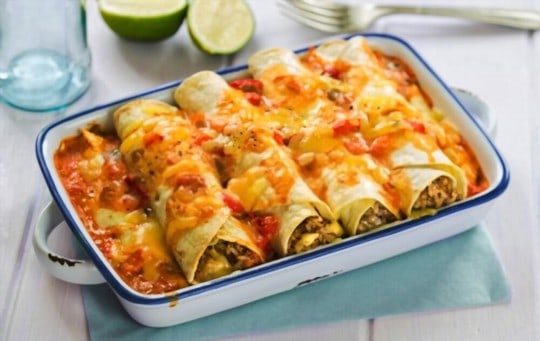
Both Red and Green Enchilada Sauce share many commonalities.
Both are made from fresh tomatoes, dry chili peppers, and spices - comparable ingredient overlap appears in radicchio vs red cabbage comparison.
The base of both sauces is melded with onions, garlic, and chicken or vegetable broth.
Salt to taste is added to ensure that the flavor is balanced.
The consistency of both sauces can range from thick to thin depending on personal taste, making them versatile enough for many dishes.
The similarities between Red and Green Enchilada Sauce extend beyond their ingredients.
The cooking method for both sauces involves a similar process of blending the vegetables, spices, and broth in a blender after they have been roasted or boiled until tender.
Then heating up the puree in a saucepan gives it its final texture and thickness.
Finally, after cooling down slightly to avoid burning yourself or overcooking it resulting in a lumpy texture ensures that the sauce comes out smooth and velvety.
While their base ingredients are similar, there are slight differences between the two variations in terms of color, heat level, and flavor.
Red enchilada sauce gets its deep red color from dried red chili peppers that have been toasted before being ground into powder form.
With pepper's interaction getting stronger with aging, Red enchiladas may be spicier as compared to their green counterparts which have mildly spiced local green chili peppers prominent as their primary ingredient resulting in a unique tanginess instead.
Culinary Uses of Red and Green Enchilada Sauce
Enchilada sauce can either be red or green.
Both these sauces have distinct flavors and are extensively used in the cooking world.
Enchilada sauce is a staple ingredient.
They add a rich flavor to the dish and make it more appetizing.
Red enchilada sauce is commonly made using dried red chili peppers, which are then rehydrated with hot water - for another example of red-versus-dark ingredient distinctions see red plum vs black plum comparison.
Other ingredients include garlic, onion, cumin, and oregano.
This sauce has a smoky and slightly fiery flavor that pairs well with dishes such as beef or chicken enchiladas.
Green enchilada sauce, on the other hand, is made using fresh green chili peppers such as Anaheim or Hatch chiles.
Tomatillos, garlic, and cilantro are some of the other ingredients used to make this sauce.
Green enchilada sauce has a tangy and slightly sweet flavor that complements dishes like vegetarian or seafood-based enchiladas.
Apart from being used as a base for enchiladas, both red and green sauces can also be used as marinades for meats or vegetables.
They can also be added to soups and stews to enhance their taste.
Which is a Better Option: Red or Green Enchilada Sauce?
The decision can be daunting.
Both options have unique flavors and are versatile in their uses.
Red sauce is made from dried chili peppers, often with the addition of tomatoes or vinegar for acidity.
This results in a rich, earthy flavor with a slight kick of spice.
On the other hand, green sauce is made from fresh tomatillos blended with jalapenos or serranos, resulting in a bright and tangy taste with a mild level of heat.
When deciding which option to choose, consider the dish you will be using it for - similar selection criteria apply in red rock crab vs dungeness crab comparison.
Red sauce pairs well with heartier meats like beef or pork, while green sauce works best with lighter proteins like chicken or fish.
Also, if you prefer a spicier flavor, red sauce may be your go-to.
Ultimately, the choice between red and green enchilada sauce is based on personal preference and intended use.
Both options offer distinct flavors that can enhance any dish they accompany.
How to Make Red and Green Enchilada Sauce at Home?

Making homemade Red and Green Enchilada Sauce is easy and delicious.
Here's how to whip up these flavorful sauces in your kitchen.
To make the perfect Red or Green Enchilada Sauce at home, follow these simple steps:
- Start by gathering all the necessary ingredients for your preferred sauce.
- For red sauce: sauté onions, garlic, chili powder, tomato paste, and other spices together. For green sauce: roast tomatillos, jalapeños, and garlic in a pan until well done.
- Add everything into a blender or food processor with some water or broth and pulse until smooth.
- Adjust seasoning according to taste preference and use the sauce on enchiladas or any other dish you like.
Tweak your recipe slightly depending on whether you prefer a spicier or milder flavor.
If you want your enchiladas to be full of flavor, making your own Red or Green Enchilada Sauce at home can be an excellent idea.
Add everything into a blender or food processor with some water or broth and pulse until smooth - consider acid choices in recipes similar to red wine vinegar vs balsamic vinegar comparison.
Flavor Differences: Red vs Green Enchilada Sauce
After looking into the various differences between red and green enchilada sauce, it is clear that each type of sauce serves its own unique purpose.
Green enchilada sauce tastes more mild and herby while red enchilada sauce brings a spicier flavor to your food.
Depending on the dish you're cooking for dinner, either will be good option to add texture and flavor.
It's always important to remember that when making your own sauces at home there is no end to the creativity you can experiment with.
If you want to make something special, feel free to add different vegetables or herbs for more complexity.
Who knows, maybe you'll find your own interesting blend.
So keep exploring and experimenting - don't be afraid to try something outside of your comfort zone.
Plus who doesn't like trying new dishes?
Gold and red potato varieties suit different dishes. Gold vs Red Potatoes: which to use explains the culinary differences. Redfish and red snapper offer distinct textures and flavors; redfish vs red snapper comparison outlines those contrasts.
Frequently Asked Questions
Do red and green enchilada sauce taste different? They share some similarities but each has qualities that make it better suited for certain recipes.
It depends on the dish. Red and Green Enchilada Sauce share some overlap, but each shines in different preparations.
Swapping works best in forgiving recipes like soups or stews.
Pricing varies by brand and region, but one is typically more accessible at everyday price points. The other may cost more due to specialization or limited supply.
Is there a best time to use each one?
One shines in applications requiring subtlety and background support.
The other is better when it is meant to be a center.
Matching the right one to its role makes a noticeable difference.