
Gold and red potatoes sit on grocery shelves, silently battling for our attention.
Both types are nutritious, packed with vitamins and minerals. Yet, they cater to different dishes and tastes.
Gold potatoes are like the dependable friend, perfect for mashing. Red potatoes, with their waxy texture, champion roasting and salads.
I remember the first time I tried to make a fancy dinner, choosing the wrong type. Disaster ensued.
It's not just about the potatoes; it's about making memories in the kitchen.
Short sentences, varied lengths. No fluff, just facts and a bit of fun.
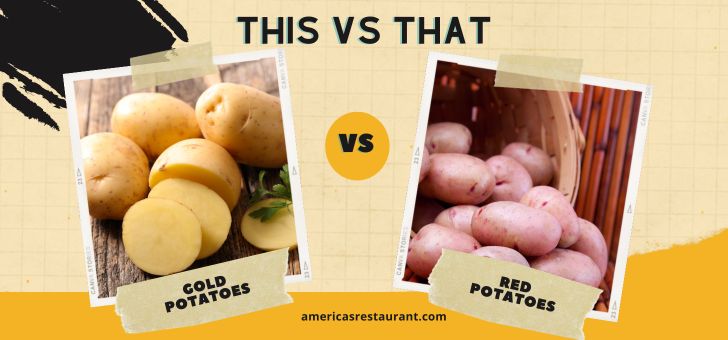
What are Gold Potatoes?

Gold Potatoes are a potato variety with yellow flesh and thin, smooth skin.
These potatoes have a rich buttery flavor and are usually used for mashing, roasting, and gratins.
Gold Potatoes are sweeter than regular potatoes and can make the dishes more flavorful.
The skin of these potatoes is thin, which makes them easy to cook and digest.
Their high starch content also makes them an excellent ingredient for baking.
Gold Potatoes contain essential vitamins like vitamin C, B6, potassium, and fiber.
Gold Potatoes have fewer calories than red potatoes but provide more complex carbohydrates that give an energy boost over a longer period.
Gold Potatoes are a healthy option with versatile uses in different dishes - compare gold kiwi vs green kiwi comparison details to see how similar varieties differ.
They provide a unique taste that carries both richness and sweetness.
Cooking or baking with Gold Potatoes can be done easily by keeping their nutritional value intact while adding taste to the dish.
What are Red Potatoes?

Red potatoes are a type of potato that has a red skin and white flesh.
These potatoes are different from regular yellow or brown-skinned potatoes in terms of taste, texture and nutritional benefits.
Red potatoes have a subtle sweet flavor, creamy texture, and they hold their shape well during cooking, making them ideal for roasting, boiling or steaming.
They are an excellent source of vitamin C, potassium and dietary fiber which makes them a healthy option for meals.
In addition to the nutritional benefits, red potatoes also have unique characteristics that set them apart from other potato varieties.
Unlike gold potatoes that have a buttery taste and break apart easily when boiled, red potatoes stay firm even after being boiled or roasted.
They are often used in potato salads as they do not get mushy or fall apart.
Due to their bright color, they add a pop of color to any dish they are added to.
If you're looking for a healthier alternative to yellow or gold potatoes, then red potatoes are an excellent choice as they have fewer calories and more nutrients than their counterparts.
Also, the thin skin of red potatoes is high in antioxidants which helps protect the body against diseases.
For a contrast in red-hued ingredients and how spice profiles differ, see red curry vs yellow curry comparison of flavor profiles.
Differences Between Gold Potatoes and Red Potatoes

The gold and red potatoes have distinguishable differences between them, and both are viable options for those seeking versatile potato varieties.
Both of these types differ in color, texture, flavor, and usage.
gold potatoes offer a rich buttery flavour that imparts an excellent taste to stews and curries - read Yukon Gold vs Gold potatoes comparison guide for nuance between similar gold varieties.
- While red potatoes possess thin skin and a sweet taste,.
- gold potatoes offer a rich buttery flavour that imparts an excellent taste to stews and curries.
- Notably, red potatoes retain their shape when boiled or roasted, which makes them perfect for salads while the gold potatoes tend to crumble when cooked hence suitable for mashed preparations.
Appearance and Skin Color
The physical outlook of potatoes is an important aspect to consider when choosing between gold and red potatoes.
Both variants have a skin color that distinguishes them from one another.
Gold potatoes have a light brown-ish or yellowish skin color with a smooth texture.
On the other hand, red potatoes have a reddish-pink or purplish skin color with a rough texture.
However, this distinction alone cannot determine which variant's appearance is better as it depends on personal preferences.
In terms of nutritional value, both gold and red potatoes have several essential vitamins and minerals such as potassium, Vitamin C, Vitamin B6 and dietary fiber.
Gold potatoes are most suited for baking and frying due to their low moisture content whereas red potatoes are best for boiled/steamed dishes like potato salad because they tend to hold their shape well after being cooked.
Gold potatoes have a higher glycemic index than red potatoes, meaning they can cause an increase in blood sugar levels more quickly after consumption.
For those who need to keep track of their blood sugar levels, it may be wise to opt for the lower glycemic index offered by red potatoes.
Texture and Moisture Content
Potatoes' Texture and Moisture Levels are key factors for many potato enthusiasts.
It is imperative to understand the potato's moisture content as it affects various recipes' outcomes.
Gold potatoes have a denser texture and retain their shape better than red potatoes when cooked using dry heat methods like roasting or frying.
On the other hand, Red Potatoes are moist, waxy, and ideal for dishes that require boiling or steaming.
They can hold their shape well without falling apart.
Another significant aspect to consider is the starch content in potatoes.
Red potatoes generally contain less starch than gold ones, which makes them an excellent option for mashing and salads.
Gold varieties take a longer time to cook due to their high starch content but crisp up beautifully when roasted or baked.
Suppose you want crispy and crunchy results within quick cooking time; it's best to opt for Gold varieties.
For those who prefer creamy mashed or boiled potatoes with smooth texture, go for Red ones instead.
To make sure your dish turns out perfect every time, identify your recipe's requirements before choosing between Gold and Red Potatoes independently.
Flavor and Taste
The taste and flavor of potatoes can make or break a dish - understand differences in concentrated versus subtle profiles in extract vs flavor comparison for culinary use.
One may wonder which variety, Gold or Red potatoes, offers a better taste experience.
Each type has unique tastes and characteristics.
While gold potatoes have a mild creamy flavor, red potatoes offer an earthy yet slightly sweet taste that complements dishes differently.
Gold potatoes are best known for their velvety texture, which makes them ideal for roasting or mashing.
The creamy consistency also pairs well with soups and stews.
However, they may seem bland when eaten alone as they tend to absorb flavors from other ingredients.
On the other hand, red potatoes have thin skins and firm flesh that stays intact even after cooking.
They have a more pronounced taste due to their natural sweetness, making them more suitable for casseroles, salads or simply boiled.
With their earthy flavour profile, they don't need as much seasoning as Gold varieties.
In addition to taste, both types of potatoes differ in nutritional composition too.
Red potatoes have more antioxidants than regular ones and are rich in Vitamin C, potassium and fiber.
Gold Potatoes are low in fat but rich in Vitamin A and protein.
In summary, the decision between Gold or Red potatoes ultimately depends on one's personal preference or recipe requirements that complement various dishes uniquely.
Both potato types offer different tastes while still being highly nutritious alternatives compared to fast food options that lack essential nutrients needed for human health needs.
Cooking Properties
Potatoes are a flexible ingredient in countless dishes.
The type of potato you choose can greatly impact the final product.
The properties of gold and red potatoes differ, and understanding these differences can help determine which potato is best for your dish.
Gold potatoes have a yellowish-white flesh and thin skin that is easy to peel.
They are waxy and firm, making them ideal for boiling or roasting, as they hold their shape well.
Also, they have a creamy texture when mashed.
Red potatoes, on the other hand, have a deep red skin and white flesh with a slightly sweet taste.
They are moist and hold moisture even after cooking, making them well suited for soups or stews.
While both types of potatoes are nutritious and delicious in their own way, selecting the appropriate one based on its cooking properties can improve the quality of your dish significantly.
Consider the recipe's needs before choosing between gold or red potatoes to ensure optimal results without compromising on flavor or texture.
When selecting liquids for cooking potatoes, consider how white cooking wine vs white wine vinegar comparison for cooking effects can change a recipe's acidity and depth.
Similarities Between Gold Potatoes and Red Potatoes

Gold potatoes and red potatoes have many similarities.
Both types of potatoes are rich in nutrients, vitamins, and minerals that can help to promote good health.
They are both excellent sources of dietary fiber which aids in digestion and weight management.
Also, they both have antioxidants such as vitamin C and potassium that help to maintain healthy cell function and prevent diseases.
Also, gold and red potatoes can be used interchangeably in many dishes since they both offer a tender texture when cooked.
Gold and red potatoes are similar.
Both types of potatoes can be boiled, roasted or mashed.
They also have a similar cook time range of about 15-20 minutes.
One unique similarity between gold and red potatoes is their resistance to bruising due to their thick skin.
This feature makes them ideal candidates for long-term storage with minimum damage incurred during transportation.
In summary, while there may be slight differences in taste between the two types, overall, gold and red potatoes share more similarities than differences in terms of nutrition profile, cooking methods, and versatility in usage.
Like staple grains, ingredient swaps matter - King Arthur vs Gold Medal flour comparison for baking differences shows how similar staples can behave differently in recipes.
Best Uses for Gold Potatoes and Red Potatoes
Gold and red potatoes are two popular types of root vegetables used in different cuisines around the world.
Each has unique properties that makes them suitable for specific recipes.
When deciding which one to use, it is essential to consider the dish's flavour profile, texture, and cooking method.
Gold potatoes are known for their smoother and creamier texture compared to other varieties.
They work best in recipes such as mashed potatoes or soups where they can be easily pureed or mashed.
On the other hand, red potatoes have thinner skin and retain their shape better when cooked.
This feature makes them an excellent choice for dishes like stews or potato salads that require chunky pieces.
Both gold and red potatoes share some similarities in terms of nutritional value, with both being excellent sources of Vitamin C and potassium.
However, gold potatoes tend to be slightly higher in calories due to their higher starch content.
For more on choosing the right potato for a recipe, Russet vs Idaho potatoes comparison for cooking uses outlines which varieties suit baking, mashing, and roasting.
Choosing Between Gold and Red Potatoes
When deciding between gold and red potatoes, it's important to consider individual dietary needs and personal preferences.
Both types of potatoes offer unique nutritional benefits and can be incorporated into a balanced diet.
Gold potatoes are high in vitamin C and potassium, while red potatoes contain more fiber and antioxidants.
Depending on the recipe or desired texture, either potato can be a suitable choice.
Ultimately, the decision between gold and red potatoes comes down to personal taste and the specific health needs of each individual.
Radicchio and red cabbage can substitute in many salads. Radicchio vs red cabbage comparison for salads explains the texture and bitterness differences. Red vs green enchilada sauce comparison for heat and flavor helps match sauce choice to the rest of the menu.
Frequently Asked Questions
Yet, they cater to different dishes and tastes. They share some similarities but each has qualities that make it better suited for certain recipes.
Choose Gold when you want more control over the process. Red Potatoes works better for hands-off preparation.
The best choice depends on your available time and equipment.
Availability varies by region. One is usually a standard grocery store item while the other may require a specialty or international market depending on where you live.
Can a beginner tell the difference by taste?
In a side-by-side tasting, yes.
The difference becomes less obvious when mixed into a recipe with other ingredients.
Most people notice the distinction more clearly on its own.