
"Idaho" is where a potato was grown, and "russet" is what kind of potato it is.
- Most Idaho potatoes are russets, so you can swap 1:1 between an Idaho russet and a russet from Washington or Colorado in any recipe, because they are the same type of potato.
- You only need a different potato when the Idaho bag holds gold, red or fingerling potatoes.
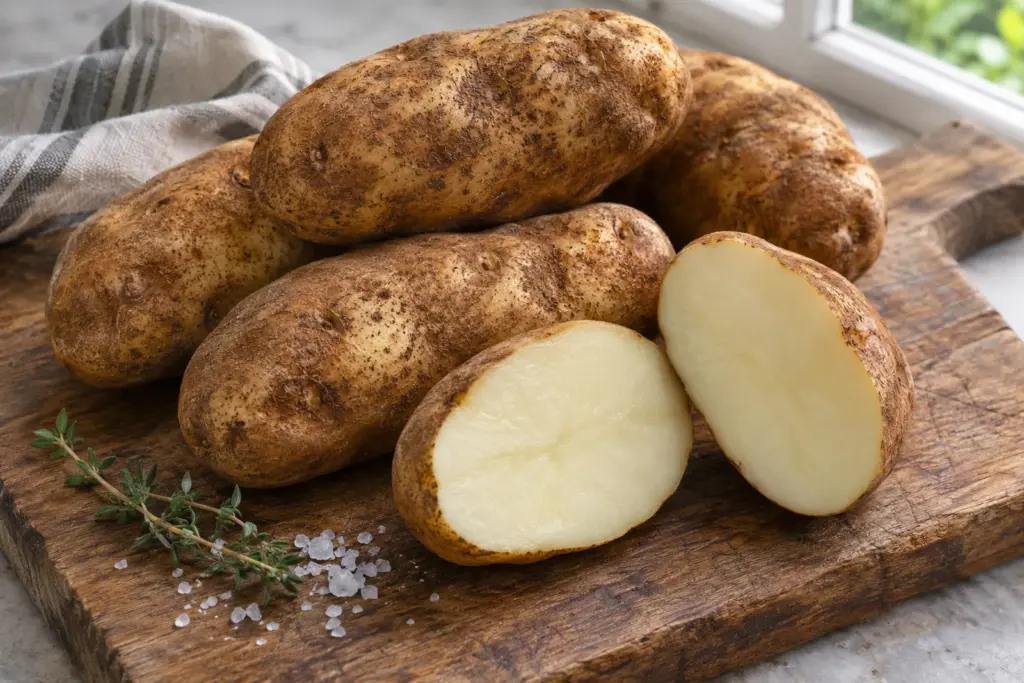
Unlike most comparisons of two different foods, this pair is mostly one potato sold under two labels, so what you need to know is what the labels change in your kitchen. For baking, mashing and frying, you will notice very little difference.
1. What Is the Difference Between Russet and Idaho Potatoes?
When you read a bag, each word tells you something different, because one names a place and the other names a type of potato.
| Trait | Russet | Idaho potato |
|---|---|---|
| What it means | A group of varieties with rough brown skin and white flesh | Any potato grown in Idaho |
| A variety? | Yes, such as Russet Burbank | No, it names a place |
| Where it grows | Many states and countries | Idaho only |
| Other colors | No | Yes: gold, red and fingerling |
Because the names sort potatoes in two different ways, an Idaho russet and a russet grown in another state are the same type of potato. The Idaho Potato Commission says "Idaho" and the "Grown in Idaho" seal are registered certification marks, so a potato can only be sold as an Idaho potato if it was grown in the state.
The Commission also says a New York jury found that "Idaho" is not a generic word for any russet potato, which is why the name stays tied to the place.
2. Are All Idaho Potatoes Russets?
Not every Idaho potato is a russet, though most are. The Idaho Potato Commission says Russet Burbank makes up about half of the state's crop, and Russet Norkotah is the other russet you will see most often in stores.
Idaho growers also raise more than 25 other varieties, including yellow (gold), red and fingerling potatoes, so a bag marked "Idaho" can hold a different potato from the one in your recipe.
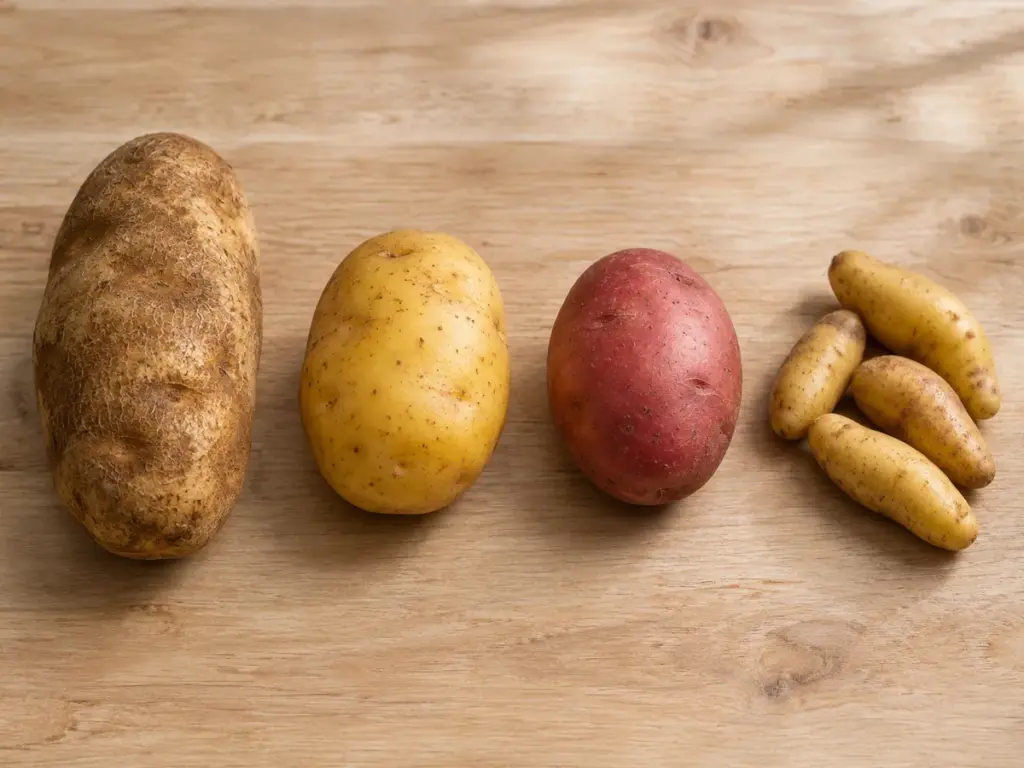
Skin color tells you what is in an Idaho bag:
- Brown, netted skin means a russet, which cooks dry and fluffy and is the one you buy for baking and fries.
- Yellow-gold skin means a gold potato, which has a waxier, creamier bite and keeps its shape when you boil or roast it.
- Red skin means a red potato, which is waxy too and works well in potato salad.
- Small, finger-shaped potatoes are fingerlings, which you roast whole.
Gold potatoes in an Idaho bag will not bake up as fluffy as a russet. Red potatoes sit even further from a russet, and when you put gold and red potatoes side by side, the red flesh is the waxier of the two.
3. Where Do Idaho Potatoes Come From?
According to the International Potato Center, potatoes were first domesticated in the Andes mountains of South America, and Idaho's own potato story starts in the 1830s. Four dates lead from the first Idaho field to the bag you pick up today:
- 1830s. Presbyterian missionary Henry Spalding plants Idaho's first potatoes near Lapwai, working with the Nez Perce.
- 1902. L.L. May & Co. of St. Paul releases Russet Burbank, believed to be a mutation of Luther Burbank's Burbank potato.
- 1959. After irrigation and wartime processing plants, Idaho becomes the nation's top potato state.
- Today. Idaho grows about one-third of US potatoes, mostly in the south and east of the state.
For decades nearly every Idaho potato was a Russet Burbank, over 95% of the crop in 1989, which helps explain why you may have learned to treat "Idaho" and "russet" as one word. Growers now also raise Russet Norkotah, other russets, golds, reds and fingerlings.
4. Does an Idaho Russet Cook Differently From Other Russets?
The Idaho Potato Commission says Idaho's soil, climate and controlled irrigation give its potatoes a dry, fluffy texture. That is the Commission's own claim, and the sources checked include no independent test of Idaho russets against russets from other states.
The texture you taste comes from the russet type itself, since North Dakota State University Extension describes russets as dual-purpose potatoes with more dry matter and little sugar.
Dry matter is the starch and other solids left when you take the water out, and a russet has more of it than a gold or red potato, so it bakes up dry and fluffy and fries up crisp.
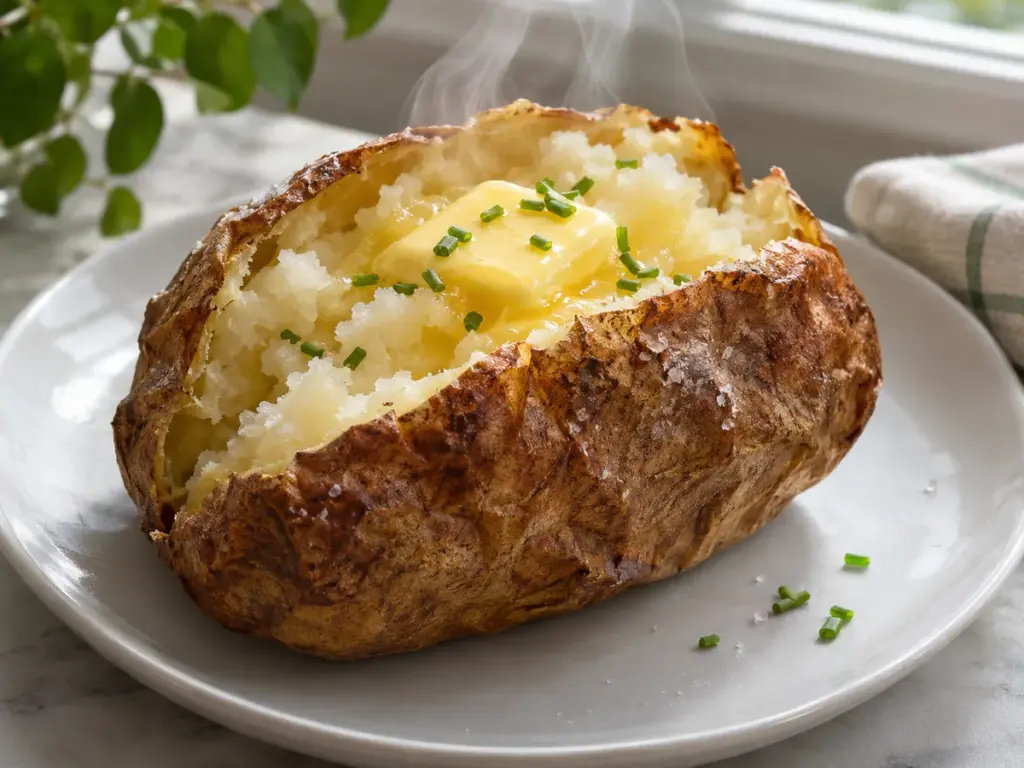
Do Russet Burbank and Russet Norkotah Cook Differently?
They cook a little differently: the Commission describes Russet Burbank as baking up dry and fluffy with crisp fries, and Russet Norkotah as baking up creamy and moist, without grainy texture.
- It makes up about half of Idaho's crop today.
- Its shape is long and cylindrical, with shallow eyes.
- It bakes dry and fluffy and fries crisp.
- North Dakota State University released it in 1987.
- Its even shape suits grocery bags.
- It tends to bake creamy and moist.
If your bag names Burbank, you will get the fluffy side, and a Norkotah bag points to the creamy side. Both are russets, so you can swap one for the other 1:1.
5. How Do Russet and Idaho Potatoes Look and Taste?
You can spot a russet from across the produce aisle. The University of Wisconsin seed potato program describes Russet Burbank as long, cylindrical or slightly flattened, with brown netted skin, white flesh and many shallow eyes.
- Skin: it is rough, brown and netted on an Idaho russet or any other.
- Flesh: it is white, and it turns dry and mealy once you cook it.
- Eyes: they are shallow, so you clear them with a peeler in one pass.
Whatever the bag says, the Idaho seal does not change the flavor. A russet has little sugar, while red potatoes taste sweeter, so you can fry russets to golden without them turning dark.
Cold changes the taste, because NDSU Extension says refrigerating potatoes turns starch into sugar, and a russet from your refrigerator browns faster when you cook it.
6. What Are Russets Best For?
You want a russet for a dry, fluffy inside or a crisp outside, and a gold or red potato when the pieces must hold their shape.
| Dish | Best pick | Why it works |
|---|---|---|
| Baked potatoes | Russet | High dry matter gives a fluffy inside and a crisp skin |
| French fries and wedges | Russet | Little sugar and a mealy texture fry up crisp without turning dark |
| Hash browns | Russet | Drier shreds brown and crisp instead of steaming |
For baking, NDSU Extension recommends a starchier, high dry matter potato like a russet, and its recipe for six russets bakes them at 450°F for 25 minutes, then brushes them with butter and bakes 20 minutes more until soft. If a baked russet is the centerpiece of your dinner, you can round it out with roasted or green sides.
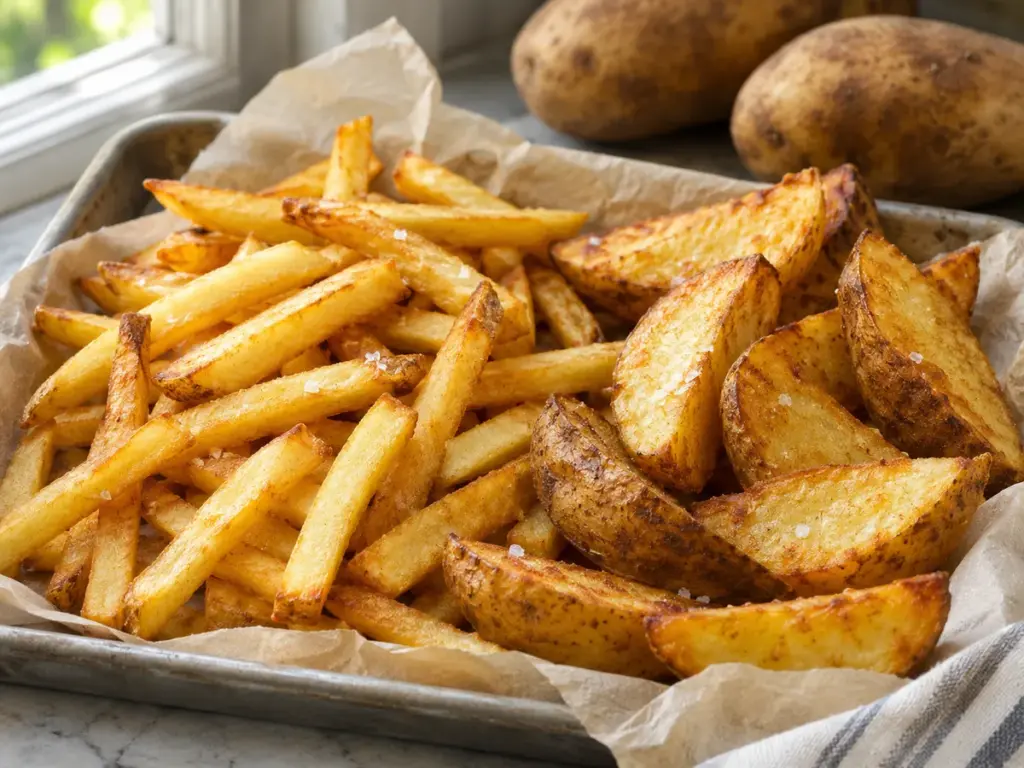
For fries, the FDA advises cooking cut potatoes only to a golden yellow color, because browned edges hold more acrylamide. It also says that soaking raw slices in water for 15 to 30 minutes before frying or roasting helps, as long as you drain them and blot them dry so the oil does not spatter.
The same advice holds for thick pan-fried American fries, which you should also stop at golden yellow.
Which Is Better for Mashed Potatoes?
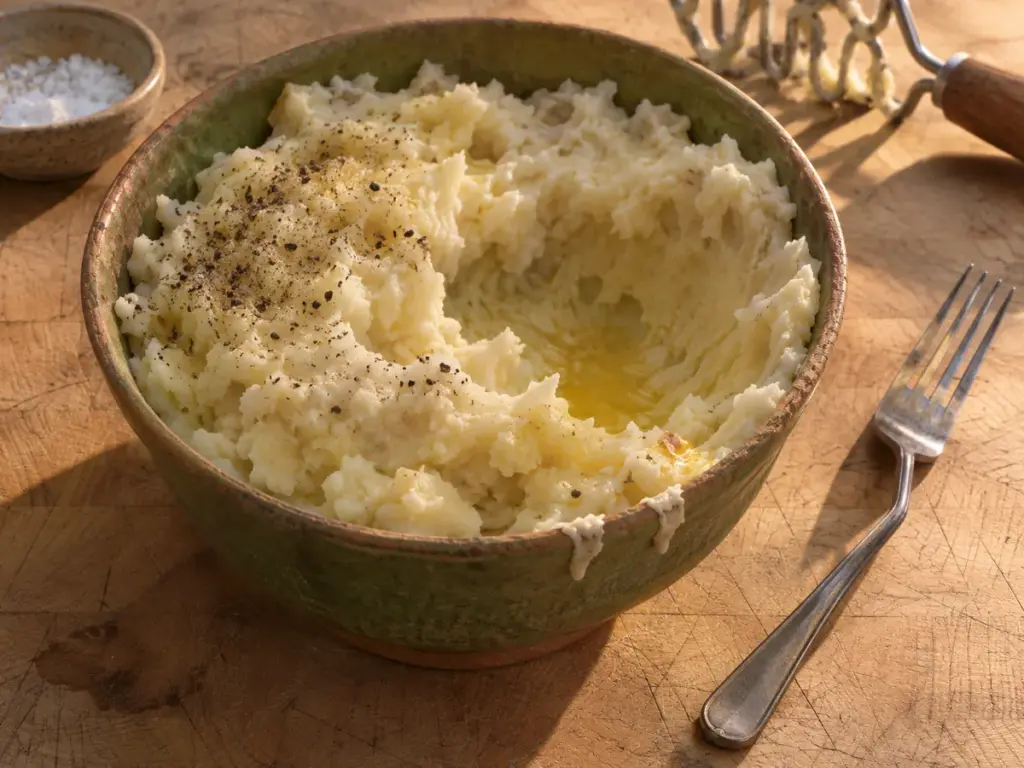
Russet gives you a light mash and gold gives you a creamy one. A russet mashes into a fluffy pile that soaks up butter, while a gold potato mashes denser and smoother, and a smoother restaurant-style version is a different dish called potato puree.
NDSU Extension says you can add milk, cream or butter and either peel the potatoes or leave the skin on.
A blender or food processor overworks the starch and turns the mash gluey, so you mash by hand with a masher or ricer. If you run out of butter, butter substitutes still give you a creamy mash.
Which Is Better for Potato Salad and Boiling?
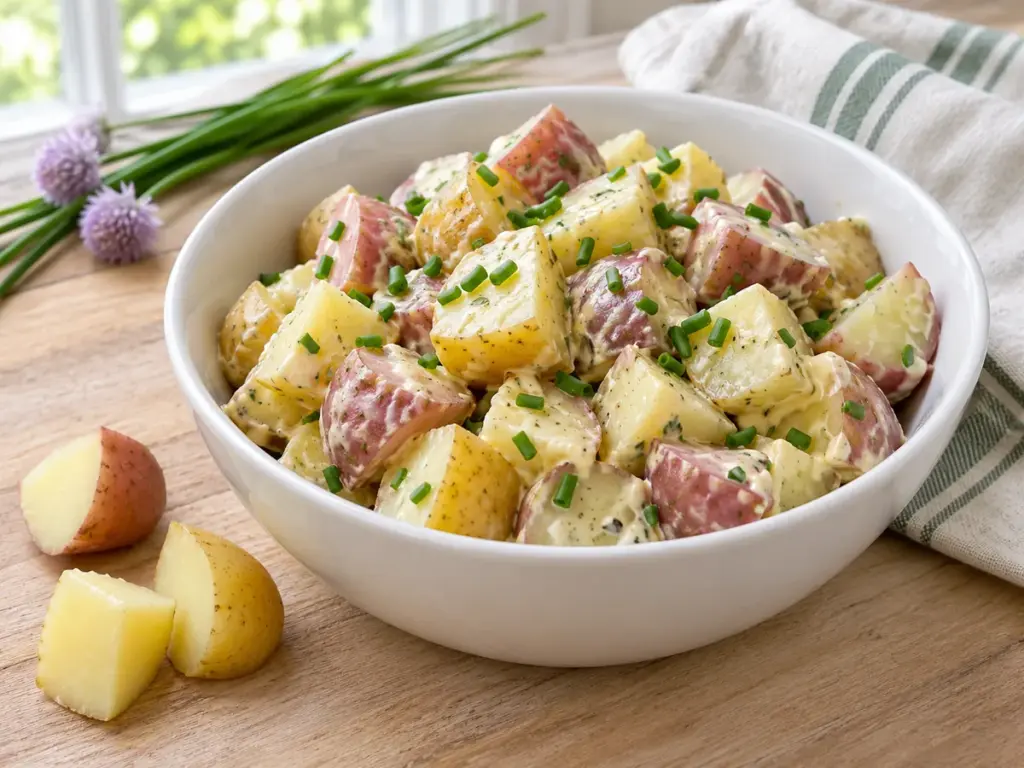
Gold or red potatoes hold up better. Their waxy flesh keeps its shape, while russet cubes tend to crumble, and NDSU Extension lists red potatoes for boiling in salads, soups and stews.
You cut large potatoes to one size, cover the pot and simmer them for about 10 to 15 minutes, until a fork slides in. After you drain the cubes well, you toss them with a creamy or vinaigrette dressing.
Which Is Better for Roasting and Grilling?
Russets roast well, and NDSU Extension lists them for roasting. Its own recipes roast diced breakfast potatoes at 400°F for 25 minutes and boil garlic smashed potatoes for about 15 minutes before roasting them at 425°F for about 25 minutes, though neither recipe names a potato type.
If you grill russets, go gently. A russet's dry, mealy flesh breaks more easily than a waxy potato's, so we'd cut thick slices, brush them with oil and turn them only once.
7. Which Potato Is Healthier, Russet or Idaho?
No source shows that an Idaho russet differs in nutrition from a russet of the same variety grown elsewhere. The potato type matters more, and USDA data for 100 grams of raw potato with skin shows how much you gain or lose.
- 79 kcal
- 18.07 g carbohydrate
- 1.3 g fiber
- 417 mg potassium
- 5.7 mg vitamin C
- 70 kcal
- 15.9 g carbohydrate
- 1.7 g fiber
- 455 mg potassium
- 8.6 mg vitamin C
A russet carries more carbohydrate per 100 grams because it has more dry matter, the same trait that makes it bake fluffy. If you count carbs, the type and the weight of the potato are what to compare, because the Idaho seal will not change the numbers on your plate.
The way you cook a russet moves the numbers too: USDA lists a baked russet with skin at 95 kcal per 100 grams (FDC 170030), because baking drives off water.
8. Can You Use Idaho Potatoes Instead of Russets?
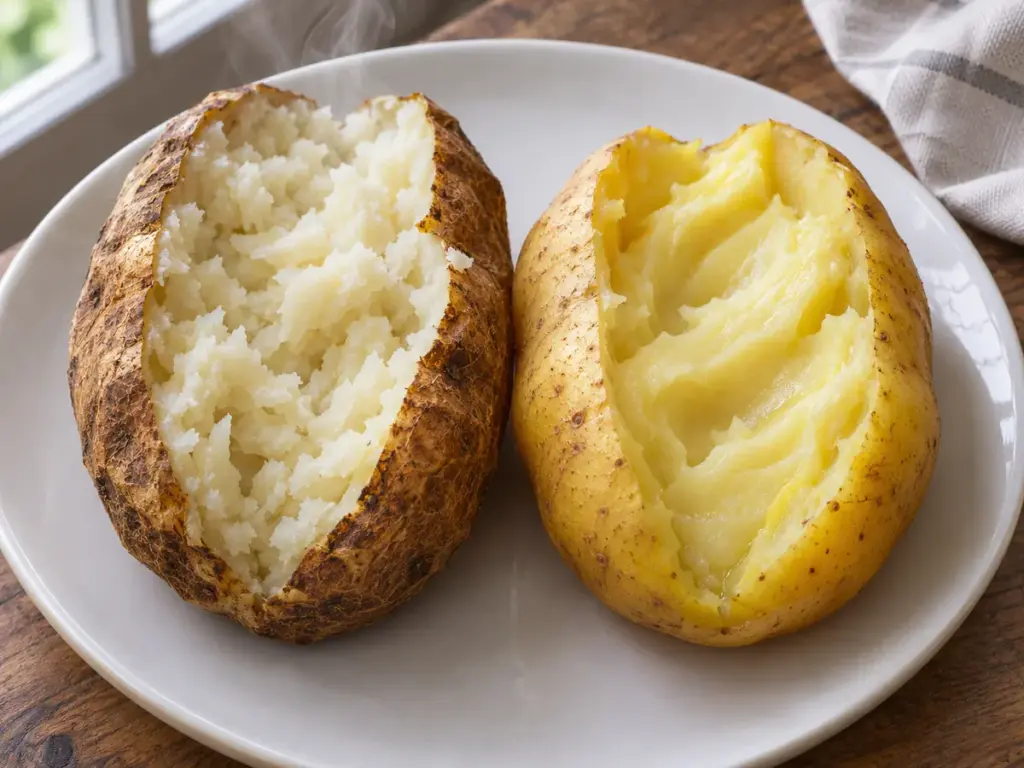
Yes, whenever the Idaho potato is a russet. You can use a brown Idaho russet or a brown russet from any other state, 1:1 by weight.
When a recipe calls for "Idaho potatoes" with no color, we'd read it as russets, since most Idaho potatoes are russets. If you buy by weight, a pound is about two medium russets, since USDA lists a medium russet at 213 grams.
- An Idaho russet and any other russet swap either way.
- Burbank and Norkotah swap in similar sizes.
- Any state's russet works where a recipe asks for Idaho.
- Gold or red in baked potatoes gives a creamier, denser bake.
- Russets in potato salad break apart when boiled.
- Russet slices in a gratin go soft at the edges.
If the sizes differ, a fork tells you more than the clock. A large russet needs more time than a small one, so you check the thickest part and pull the potato out when the fork slides in without resistance.
9. Which Potato Should You Buy?
You start with the dish, and the Idaho label is a bonus on top of the right potato:
- Baked potatoes for a crowd: you buy whichever russet bag is cheaper, and even sizes matter because uneven potatoes finish at different times.
- Fries or hash browns: you buy russets from any origin, since the dry, low-sugar russet type is what makes them crisp, whether you shred it for hash browns or dice it for home fries.
- Potatoes grown in Idaho: if you want them, you look for the "Grown in Idaho" seal on the bag and then check the variety name beside it.
- Potato salad or boiled potatoes: you skip the russets and buy gold or red potatoes, even if the bag is from Idaho, because their waxy flesh holds its shape.
At the shelf, you want potatoes that feel firm and look smooth, with no soft spots or sprouts. If the Idaho-labeled bag costs more than a plain russet bag, compare the variety name and the size before you pay the difference, because the seal tells you only where the potatoes grew and says nothing about how they will cook.
Why Does One Bag of Russets Cost More Than Another?
The Idaho seal is a brand, and no price survey in the sources checked shows a steady gap between Idaho-labeled and other russet bags. Price moves with the store, the season and the size of the bag and the potatoes, so you compare the price per pound on the shelf tag.
How Should You Store Russets?
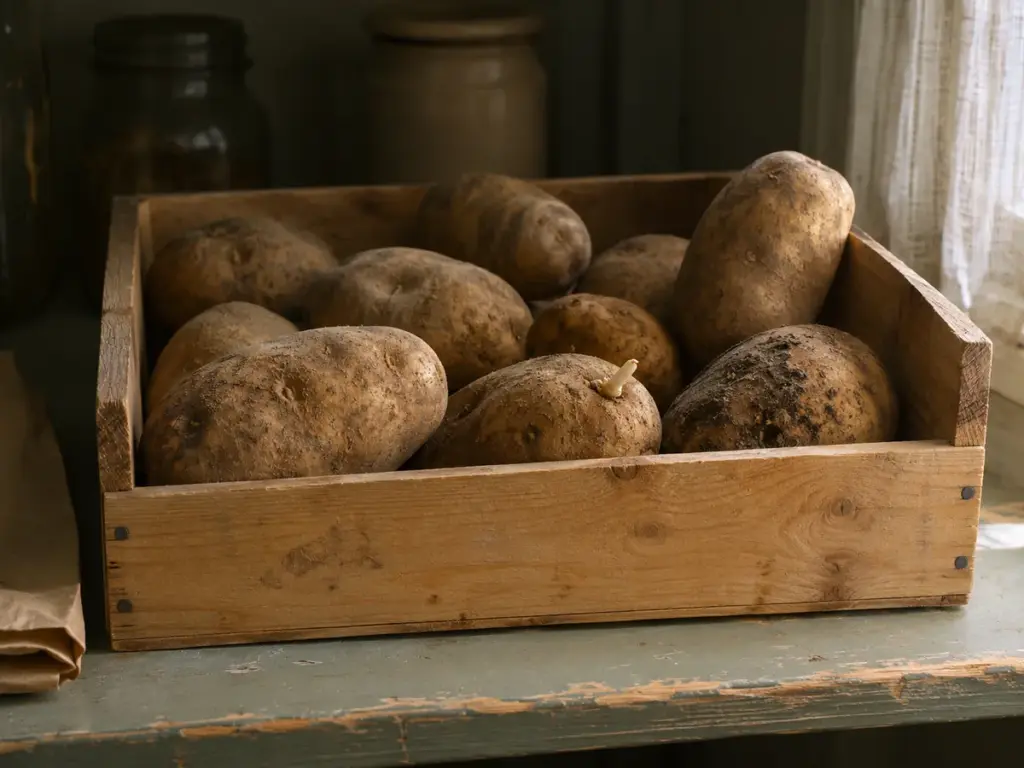
You can pull off sprouts before you cook, since NDSU Extension says sprouted potatoes are still edible. If you see green patches, cut them away, because the green is harmless chlorophyll but light also lets solanine form, which NDSU Extension calls toxic in large amounts.
Frequently Asked Questions
Is an Idaho Potato the Same as an Irish Potato?
Yes. "Irish potato" is another name for the ordinary white potato, Solanum tuberosum, which the US uses to tell it from the sweet potato, and Idaho potatoes are that same species.
Are Idaho Potatoes White Potatoes?
An Idaho russet has white flesh, but "white potato" is also a market class. USDA FoodData Central lists white, russet and red potatoes as separate entries, so the numbers you find for "white potatoes" do not describe a russet.
How Long Do Cooked Russets Keep?
USDA FoodKeeper gives cooked potatoes 3 to 4 days in the refrigerator, which gives you enough time to turn leftover boiled potatoes into a second dish.
Sources
- Idaho Potato Commission: The difference between Idaho potatoes and russets
- Idaho Potato Commission: Are all Idaho potatoes automatically considered a russet?
- North Dakota State University Extension: Pocket guide to preparing potatoes
- University of Wisconsin Seed Potato Program: Russet Burbank fact sheet
- Potato Grower: A look back at Idaho's potato industry history
- International Potato Center: Potato facts and figures
- FDA: Acrylamide and diet, food storage and food preparation
- USDA FoodData Central: Potatoes, russet, flesh and skin, raw (FDC 170027), red (FDC 170029) and baked russet (FDC 170030)
- USDA FoodKeeper: Potatoes and leftovers
- Merriam-Webster: Potato

Food writer at GustoMeadow. Writes ingredient substitutes, food comparisons, taste guides and storage guides for home cooks.
Storage and food-safety numbers follow USDA, FDA and university extension guidance.



