
Summary of key points
The main difference between parboiling and blanching is the length of time each food is cooked in boiling water. Parboiling involves partially cooking food for a few minutes, while blanching involves quickly cooking food for just a minute or two.
Both methods are used to prepare foods before they are finished in another cooking method, such as grilling or sautéing. Parboiling is often used for denser foods like potatoes or root vegetables, while blanching is commonly used for delicate vegetables and protein.
The purpose of parboiling is to soften the food and make it easier to finish cooking, while blanching helps retain color and texture. Choosing between the two methods depends on the specific food being cooked and desired end result.
We've been there too.
Big revelation: there's a difference. Parboiling involves partly cooking food in boiling water.
T4Blanching is similar, yet it ends with a quick ice bath.
Why does this matter? Texture and flavor, friends.
We learned this the hard way during a disastrous dinner party.
Our goal? To help you avoid our kitchen mishaps.
By mastering these techniques, you'll improve your cooking game. Trust us, your food will thank you.
What is Parboiling?
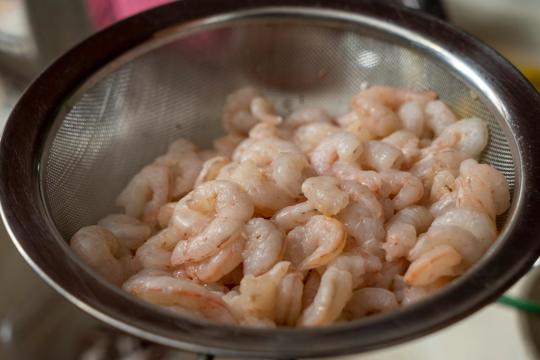
Parboiling is a cooking technique that cooks food partially in boiling water or steam.
It involves immersing the food in water or placing it in a steamer until it's partially cooked.
This process softens the food, reduces cooking time, and preserves its nutrition.
Food can be parboiled to achieve the desired tenderness.
For example, vegetables can be parboiled for a short time to keep their crispness.
On the other hand, grains and rice can be parboiled for easier digestion.
Boiling water or steam breaks down starches in the food, making it easier to cook and digest.
Also, it removes impurities and toxins present in raw food.
Parboiling is a versatile cooking method that saves time and preserves nutrients.
It can be used for vegetables, rice, or other ingredients.
It is a useful technique to incorporate into your cooking repertoire.
For dishes that finish with a citrus note, review a lemon dessert pairings list to pick complementary flavors after parboiling vegetables or grains used in desserts.
What is Blanching?
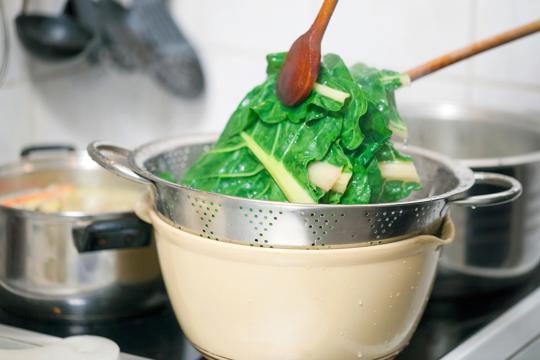
Blanching is a culinary process for food, often veggies or fruits.
It involves soaking them briefly in boiling water and afterwards chilling them fast with ice water.
This helps retain their color, texture, and flavor.
The heat of the boiling water stops enzymes in the food from continuing to ripen or spoil.
The quick cooling stops the cooking and keeps the food crisp and bright.
Blanching serves a few purposes. It can get veggies ready for freezing and preserve their quality.
It can also get rid of dirt or debris on the food.
Plus, blanching can be used as a pre-cooking step for recipes that need extra cooking or frying.
Parboiling is not the same as blanching.
Parboiling involves partially cooking food in boiling water without immediate chilling.
It's longer and harsher than blanching, and it's mainly used to reduce cooking time or soften tougher cuts of meat before grilling or roasting.
Blanching is more about preserving the food's natural qualities.
Blanching is a useful technique that helps keep food's color, texture, and flavor while partially cooking it.
A brief exposure to heat with quick cooling keeps the food's desired qualities for further preparation or storage.
Blanched vegetables pair well with dips; see what to eat with guacamole ideas for snack and side combinations that keep produce bright and crisp.
Key Differences Between Parboiling and Blanching
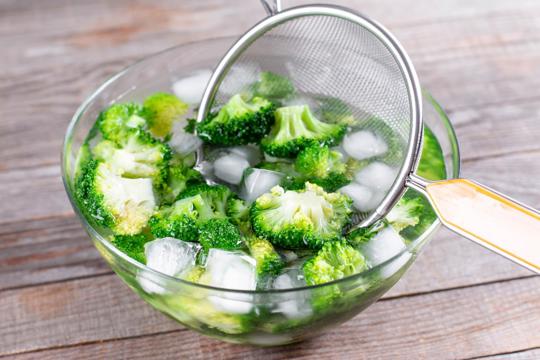
Parboiling and blanching may seem similar. But they have distinct characteristics.
When a recipe needs a bright citrus finish, a key lime juice substitutes list can offer alternative acids without changing technique.
Process and Purpose
Parboiling and blanching are two separate cooking techniques, with varied processes and objectives.
Parboiling requires partially boiling food items in water before continuing with further preparation.
This method is used for foods that require longer cooking times to guarantee they are fully cooked.
It softens the outer layer of the food while keeping its shape and texture.
It's usually done for dishes like roasted potatoes or stir-fried vegetables to get a crispy outside and a tender inside.
On the flip side, blanching means briefly putting food in boiling water or steam and then cooling it rapidly in ice-cold water to stop the cooking process.
The main purpose of blanching is to preserve the color, texture and nutrients of the food item.
It also helps to remove any impurities or strong flavors from the surface.
Blanching is generally used for vegetables, fruits and nuts prior to freezing or canning them.
To comprehend the process and reason for parboiling and blanching better, here's a 6-step guide:
- Heat a pot of water until boiling.
- Put the food item that should be parboiled or blanched.
- Cook the food item for a determined amount of time, making sure it's only partially cooked (parboiled) or rapidly heated through (blanched).
- Take out the food item from the boiling water with a slotted spoon or mesh strainer.
- Immediately move to an ice-cold water bath to stop the cooking.
- Once cooled, take out from the cold water bath, pat dry if needed, and continue with the recipe as desired.
Plus, it's worth remembering that parboiling can aid certain foods like rice by reducing their cooking time.
On the other hand, blanching helps to retain the natural color and texture of vegetables, making them more attractive in salads or other dishes.
Therefore, next time you come across a recipe that calls for parboiling or blanching, you'll have a better grasp of their different processes and aims.
These cooking techniques can upgrade your culinary skills and improve the overall presentation and taste of your creations.
For recipes where starch and texture matter, consider a plain vs all-purpose flour comparison to choose the best flour for the finished dish.
Cooking Time and Temperature
Cooking time and temperature are essential for a tasty dish.
Parboiling and blanching are different in terms of their cooking time and ideal temperatures.
Parboiling is partially cooking food in boiling water for a few minutes until they soften, but not fully cook.
This pre-cooking method helps reduce the overall cooking time for dishes like roasted vegetables or casseroles.
Water temperature for parboiling is between 180°F to 210°F (82°C to 99°C).
Blanching is quickly cooking vegetables or fruits in boiling water or steam, then immediately cooling in ice water.
This technique preserves color, texture, and nutrients.
Blanching time typically ranges from 1 to 5 minutes.
The recommended water temperature for blanching is 170°F (77°C).
Both parboiling and blanching can be done with steam instead of boiling water.
Steaming has gentler heat transfer, preserving flavors and nutrients better.
Parboiling needs longer cooking times at higher temperatures than blanching.
Each technique has its own unique purpose in cooking.
Knowing the differences helps chefs and home cooks alike to make their desired recipes with precision.
When recipes call for deglazing or acid, a white cooking wine vs vinegar comparison helps decide which ingredient suits the dish's temperature and timing.
Effect on Texture and Color
Parboiling and blanching are two different cooking techniques.
They're often mistaken for each other, but they have different effects.
Parboiling is boiling food for a short period before other cooking methods, like grilling or frying.
This softens the outside and retains the firmness inside.
Blanching is putting food in boiling water briefly, then quickly cooling it off.
This helps vegetables keep their color and texture, and removes dirt or insects.
The main difference is the outcome.
Parboiled food is softer and more cooked than blanched food.
Blanching preserves color better.
These techniques can be used on many ingredients, not just vegetables.
But knowing the details of each makes sure you get the best results.
For plant-based spreads that benefit from smooth textures, explore vegan hummus recipes for texture to see how cooking techniques affect creaminess.
Culinary Applications
Parboiling and blanching are both cooking techniques.
They have similarities, but there are some differences too.
Parboiling is boiling food for a short time, then transferring it to another way of cooking, like grilling or roasting.
It is used with ingredients like potatoes or rice, to make them softer and faster to cook.
Blanching is also boiling food, but then immersing it in ice water to stop cooking.
It is done with vegetables like green beans or broccoli, to keep their bright color and crunch.
Timing and techniques are different too.
Parboiling is quicker, and aims to make the food tender but still firm.
Blanching is a quick boil followed by cooling.
Both can be useful. Parboiling helps with texture and time.
Blanching with veggies helps flavor and color stay.
Knowing the differences helps chefs get the right method for recipes and get the desired results.
Commonalities in Parboiling and Blanching
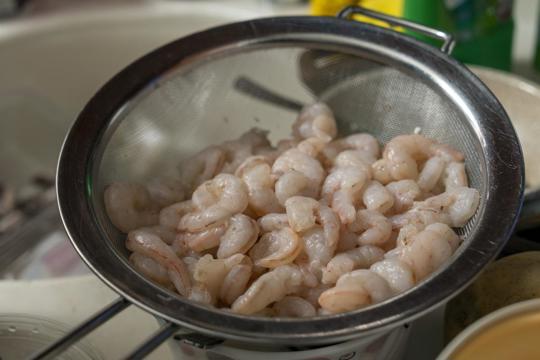
Parboiling and blanching-two cooking techniques often confused.
Yet, they have distinct differences. They also share common elements.
Both methods partially cook ingredients before using them in other dishes.
Parboiling works on tougher items, like potatoes or root veggies.
Whereas blanching is for delicate items, such as fruits, vegetables, or seafood.
The purpose of these processes is to pre-cook the ingredients.
This can be to preserve or improve texture and taste.
By understanding the similarities between parboiling and blanching, chefs can use these techniques to make amazing dishes.
When to Use Parboiling and When to Use Blanching
Parboiling and blanching are two distinct cooking methods.
Parboiling is used for veggies like potatoes or carrots.
It helps them cook through without burning.
And it's great for preparing items like rice or pasta.
Blanching, on the other hand, is ideal for preserving color and texture of veg.
Boil briefly, then plunge in ice water. Both techniques have their benefits.
Knowing the differences can help your cooking skills.
If a recipe requires a binder for coating after parboiling or blanching, an eggless breading substitutes guide shows alternatives for crispy results.
When to Parboil vs Blanch Vegetables
Parboiling is the prolonged boiling of food items before transferring them to a hot oil to finish cooking.
Blanching, on the other hand, involves submerging foods in boiling water briefly before shocking them in cold water and drying them out.
Both methods allow you to preserve flavor and texture without overcooking or overbrowning your food.
However, while they both serve the same purpose, their time and temperature parameters vary greatly.
Depending on which type of cooking you're looking for, parboiling or blanching might be the best option for you.
No matter which method you choose, it's important to remember that timing is key when it comes to getting perfect results every time.
Frequently Asked Questions
The main difference between parboiling and blanching is the length of time each food is cooked in boiling water. They share some similarities but each has qualities that make it better suited for certain recipes.
Sometimes. Parboil works where Blanch is called for in certain dishes, but not all.
Check whether the recipe relies on a specific quality before substituting.
Cold preparations like salads and dressings often favor the option with a sharper, more defined flavor. Heat can mellow both, so the distinction matters more in uncooked dishes.
Do professional cooks prefer one over the other?
Professional preference depends heavily on the dish and cuisine style.
Each has its context where it outperforms the other, so most experienced cooks keep both on hand.
Flour choice affects final texture in many recipes; plain vs all-purpose flour comparison explains the differences. Acidic components change flavor balance; white cooking wine vs vinegar comparison outlines which to use in cooking.