
If you have ever savored the sweet and juicy taste of apricot kernels, or experienced the nutty flavor of almonds in your favorite baked goods, you know that these two ingredients offer distinct sensory experiences.
But do you know what makes them different? There is an detailed science behind each of these yummy morsels which governs their exact composition and nutritional value.
From their core minerals all the way down to unique antioxidant benefits embedded in every bite, we are confident that after learning about each of these factors, you'll enjoy your next helping with even more gusto.

What are Apricot Kernels?
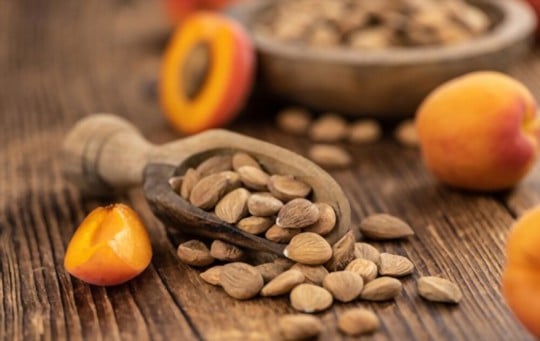
Apricot kernels are small, almond-like seeds found within the pits of the apricot fruit.
Although they may seem like simple seeds, they hold a wealth of beneficial nutrients.
Apricot kernels are a source of protein, healthy fats, fiber, vitamins, and minerals.
These kernels have been used for medicinal purposes for centuries, particularly in China.
Apricot kernels are believed to have healing properties and be capable of preventing various diseases.
However, their benefits are still a subject of controversy, as they also contain amygdalin, which can be toxic in large amounts.
In recent years, apricot kernels have gained popularity due to their potential cancer-fighting properties.
Despite the possible dangers, many people consume apricot kernels as a dietary supplement.
If you are interested in trying apricot kernels, it is best to consult with your healthcare provider to make sure they are right for you.
Apricot kernels pair well with fruit preserves in baked goods - for alternatives to apricot preserves when adapting recipes, see apricot preserves substitute ideas.
What are Almonds?

Almonds are a type of nut that comes from the almond tree, scientifically known as Prunus dulcis.
Both are almonds tasty and convenient as a snack, but they are also incredibly nutritious.
In fact, they are a significant source of healthy fats, fiber, protein, and various essential vitamins and minerals.
One serving of almonds contains nearly all the Recommended Daily Allowance (RDA) of vitamin E, which is a potent antioxidant that helps protect cells from damage.
Also, almonds are a great source of magnesium, which plays a critical role in many bodily functions, including blood sugar control and nerve function.
Almonds come in various forms such as raw, unsalted, roasted, and sweetened, but some people also consume them as almond butter, milk, or flour.
With their nutritious benefits and versatility in the kitchen, it's no wonder that almonds have become a staple food in many households.
Differences Between Apricot Kernels and Almonds

Apricot kernels and almonds share some similarities, but they have some differences too.
Almonds are larger, softer, and sweeter than apricot kernels - for a deeper look at almond varieties, compare Marcona vs regular almonds comparison.
Also, almonds are more commonly used in cooking and baking.
On the other hand, apricot kernels are smaller and harder with a bitter taste.
They are typically used for their health benefits rather than as an ingredient in recipes.
Also, apricot kernels contain amygdalin which can turn into cyanide when consumed in large amounts.
In contrast, almonds do not contain this substance.
Therefore, it is essential to consume apricot kernels in moderation or talk to a medical professional before incorporating them into your diet.
Appearance and Texture
With regards to their physical attributes and consistency, both apricot kernels and almonds have a similar appearance.
Both are small oblong-shaped nuts with a slightly pointed end.
Both have a dry texture with a slightly crunchy bite.
However, the apricot kernel is smaller in size compared to almonds and has a thin outer shell that is harder to crack open.
Also, apricot kernels have an off-white color and a singular flavor that can be described as mild and nutty.
Flavor and Taste
There are a multitude of factors to be considered including color, aroma, texture, and taste.
Below are some key differences found in regards to this subject.
- Apricot kernel has a slightly sweet and nutty flavor that is milder in comparison to almonds which have a more complex and distinct flavor.
- Almonds have a firm and crunchy texture that complements their nutty flavor while apricot kernels have a softer texture with a hint of bitterness.
- The natural sweetness in apricot kernel adds an extra layer of flavor when used in baked goods or as a spice while the strongness of almonds makes them ideal for snacking or using them as toppings for salads.
Overall, choosing one over the other would largely depend on personal preference and intended purpose.
However, apricot kernels contain trace amounts of cyanide so they must be consumed in moderation whereas almonds do not pose any such risks.
Apricot kernel has a slightly sweet and nutty flavor that is milder in comparison to almonds which have a more complex and distinct flavor - for clarity on how flavor is defined versus extractives, see extract vs flavor differences explained.
Nutritional Value Comparison
Comparing the Nutritional Value of Apricot Kernel and Almond involves evaluating their unique nutrient composition.
Apricot kernels contain more protein, fiber, and Vitamin B17 than almonds.
On the other hand, almonds have higher levels of healthy fat, including mono and polyunsaturated fats that are great for heart health.
While both nuts provide essential nutrients for a healthy diet, the choice between apricot kernel vs almond depends on individual dietary needs.
For perspective on how nutrient-dense ingredients contribute to flavor profiles, read what nutritional yeast tastes like guide to see how savory, nutrient-packed additives affect taste.
Culinary Uses and Recipes
This section covers the culinary applications of apricot kernels and almonds.
These versatile nuts can be used in a wide variety of dishes, from savory meals to sweet desserts.
Incorporating their unique nutty flavor and texture can improve the taste profile of any dish.
There are numerous recipes that highlight their distinct characteristics, including apricot kernel and almond milk, nut butters, jams, and pastries - for bold sandwich ideas that use nut-based spreads and flavors, see 20 big-taste vegan sandwich recipes.
Their multiple uses make them must-have ingredients in any kitchen cupboard or recipe book.
Which is a Better Option: Apricot Kernel or Almond?
Apricot kernels and almonds are two popular nuts, but which one is a better option? When it comes to nutritional value, both have their unique benefits.
While almonds are known for their high protein content and Vitamin E, apricot kernels are rich in antioxidants and Vitamin B17.
In terms of taste, almonds have a more mild flavour compared to the slightly bitter taste of apricot kernels.
However, when it comes to culinary versatility, almonds are the clear winner.
They can be used in a variety of dishes ranging from savoury to sweet while apricot kernels are mostly used in desserts - for jam alternatives that work with apricot-flavored desserts, consult apricot jam substitute ideas.
Apart from nutrition and taste, there are some safety concerns surrounding apricot kernels due to the presence of amygdalin which can release cyanide when consumed in excess.
On the other hand, almonds do not pose any such risks.
Overall, both apricot kernels and almonds have their own set of advantages and disadvantages.
It ultimately depends on personal preference and use cases.
Where to Buy Apricot Kernels and Almonds and How to Store Them?
Knowing where to buy them is important.
Proper storage can also make a difference in their quality.
Here's what you need to know:
- You can find apricot kernels and almonds in most grocery stores, health food stores, and online shops. Make sure to choose a reputable seller that sources its products ethically.
- To keep these nuts fresh, store them in an air-tight container in a cool, dry place away from direct sunlight. Refrigeration is also an optimal storage option.
- When buying almond products like almond milk or almond flour, go for the unsweetened varieties so you avoid added sugars or preservatives.
Although apricot kernels and almonds share similarities in taste and texture, they have different nutritional benefits.
Also, some people may have allergic reactions to one or both of these nuts.
As with any food purchase, understanding your personal dietary needs is essential in making the best choice for your health and well-being.
You can find apricot kernels and almonds in most grocery stores, health food stores, and online shops - and when choosing almond forms like flakes or slices, review flaked vs sliced almonds guide to pick the right type for recipes.
Health Considerations: Apricot Kernels vs Almonds
Apricot kernels and almonds are both tasty and nutritious in their own right.
But if eight essential vitamins, minerals and antioxidants matter to you then you'll be better off with almonds.
Although almonds have more calories than apricot kernels, the additional micronutrients found in almonds make them the more nutrient-rich option of the two by far.
Also, apricot kernels are especially high in absorptive carbohydrates that may lead to a rapid spike of insulin that could be harmful to those with diabetes or metabolic disorders.
Both nuts carry some amount of risks - such as potential allergic reactions and possible indigestion - overall, they hold potential benefits for your health.
Ultimately, each nut has its place as part of a balanced diet.
Frequently Asked Questions
But do you know what makes them different? They share some similarities but each has qualities that make it better suited for certain recipes.
Often, yes. The two share enough common ground that most palates won't notice a swap.
Apricot Kernels is usually milder while Almonds brings more intensity.
Nutritional differences exist but are often minor in typical serving sizes. Neither is universally healthier - it depends on what specific nutrients or dietary goals you are focused on.
Which stores better after opening?
Once opened, one keeps better in the refrigerator with proper sealing.
The other may oxidize or separate more quickly, so using it promptly or in smaller quantities works better.
For alternatives to almonds in recipes, consider these top options. 5 BEST Substitutes for Almond is a helpful reference. What to Serve with Apricot Chicken? 7 BEST Side Dishes lists compatible sides for apricot-forward dishes.