
Did you know that a female worker bee only produces a single teaspoon of honey, which is about five grams, during her entire lifespan?
So yes, while stealing bee pollen may feel like a crime, it is one of the healthiest food around.
Bee pollen is highly nutritious and an excellent source of proteins, carbs, minerals, and vitamins your body needs to be healthy.
But if you've never tried bee pollen before, and you're wondering, "what does bee pollen taste like?" Don't fret.
Read on as we look closer into its taste profile, what exactly bee pollen is, and how to cook and serve it.
What is Bee Pollen?
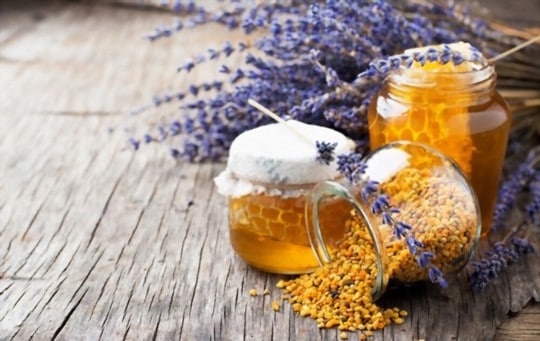
We all know that bees search long, wide, and hard in search of pollen.
They go from plant to plant, collecting it and returning it to their hives.
This is because the bee pollen they collect becomes the food for the entire colony.
The pollen that they collect from the anthers of various plants is mixed with bee secretion, and as we've mentioned before, the pollen contains all the necessary nutrients like proteins, carbs, minerals, and more.
The final product of the bee pollen that humans consume is yellowish to black compact particles and is eaten raw or mixed into various recipes - it can even be sprinkled into desserts where citrus works, so see lemon dessert pairing ideas for compatible flavors.
But even though it's perfect as a healthy alternative ingredient for most people, there are plenty of risks for some.
If you're allergic to pollen or bees in any way, you should steer clear of bee pollen.
In the worst-case scenario, you'll suffer various allergic reactions that could lead to more serious issues.
Taste Description of Bee Pollen

Now that we're clear on bee pollen, let's not waste time and move on to its taste profile.
Anyone would naturally assume that since bee pollen makes honey, it would taste like sweet fresh honey or honeycombs that you find in the market.
But that deserves a yes and no answer.
Although there are hints of sweetness, bee pollen's flavor and taste profile is not overwhelmingly sugary like honey but extremely light - compare that subtle profile to an acai berry taste guide to see how floral and tart notes differ.
In addition, since the pollen comes from flowers, it has the taste and flavors of these flowers.
But remember that the bee pollen's taste might vary and have much to do with where it comes from.
So the bee pollen of a certain flower might not taste the same as another.
Still, there may be chances of experiencing a quick sharp taste with each bee pollen bite, but only when you try it for the first time.
It usually fades as you get more experienced and used to this rather hard-to-describe, unique taste profile of the bee pollen.
Since people also eat it for its unique taste rather than the minimum nutrients it provides for an adult human, you'll learn to love the taste.
Still, the closest example in describing the rich taste of the beer pollen is perhaps bitterly sweet.
How to Use Bee Pollen?

Bee pollen adds that unique texture and the aroma of flowers to your dishes, improving or complementing them perfectly well.
Unless you're a beekeeper, you don't have a bee farm.
Hence you are ineligible to collect it straight and naturally.
But don't fret. Bee pollen is available all over the states in most of the health stores near you.
You can buy the bee pollen pills, the powdered form of bee pollen encapsulated, or the bee pollen granules.
Both these add healthy nutrients to your already well-trained diet.
Since the bee pollen pills are directly swallowed, if you plan on making a fine salad, add the bee pollen granules as a garnish after you're done with the prep to add that extra healthy element - they also pair well alongside high-protein side ideas without meat for a balanced plate.
Still, bee pollen blends really well with most ingredients you pair them with, and the most common form of consuming it would be drinking rather than adding it as a garnish.
Bee pollen is famous for adding that bitterly sweet and mildly crunchy texture to various types of drinks.
It is a good idea to blend it with high-quality ingredients, add some ice if you want, and have yourself a delicious drink.
A study confirms it is best to eat or drink bee pollen at least three times a day before meals to get the full effects of the nutrients and stay healthy.
But make sure to take the advice from your physician before you start consuming bee pollen.
Bee Pollen Flavor Profile Summary
Bee pollen is one of the healthiest foods you can incorporate into your diet.
They also act as a great ingredient that blends exceptionally well in flavors of your favorite salad or mixed drinks.
But tread carefully; even though beer pollen is incredibly light flavored and has all these nutrients, it can be bad for you since they don't mix well with certain medical conditions and issues.
So be sure to check with your physician before you try it out.
For unique pollen flavors, consider substitute options for similar uses: fennel pollen substitute options and fennel pollen substitute choices.
Frequently Asked Questions
Bee pollen is highly nutritious and an excellent source of proteins, carbs, minerals, and vitamins your body needs to be healthy. But if you've never tried bee pollen before, and you're wondering, "what does bee pollen taste like?" Don't fret.
Read on as we look closer into its taste profile, what exactly bee pollen is, and how to.
Freshness matters. Bee Pollen tends to have a brighter, more pronounced taste when fresh.
Stored or aged versions may develop mellower or slightly different flavor notes.
Significantly. Younger or less ripe versions are often sharper, more astringent, or more bitter.
As it matures, flavors typically mellow and deepen into something more complex and approachable.
Texture and taste are inseparable. A pleasant texture encourages slower eating and better flavor perception.
Off-putting textures - too mushy, too fibrous, or unexpectedly gritty - can make even good flavors less enjoyable.