
Beef Shank and Oxtail. Both pack a flavor punch that's hard to beat.
We often find ourselves standing in the butcher aisle, pondering. The beef shank?
It's the leg part. Tough if rushed, divine when slow-cooked.
Oxtail, though? Ah, that's the tail.
Rich in flavor, it turns any broth into a masterpiece with its gelatinous goodness.
Ever tried debating this at a dinner table? We have.
It ends in passionate pleas for one over the other.
Both cuts promise a filling meal; choosing feels like picking a favorite child.
Trust us; we've been there. It's a culinary dilemma of epic proportions.
What is Beef Shank?

Beef Shank: an affordable cut from the legs of cattle.
It's full of connective tissue, so needs slow cooking to become tender.
Must be cooked for at least two hours.
It adds a depth of flavor to dishes like stews, soups, and pot roasts.
It's also healthier than other cuts, with fewer calories and fat per serving.
Oxtail: an alternative to beef shank.
They are similar, but oxtails contain more fat.
Both are gelatin-rich with fats that create flavor when cooked slowly.
If comparing regional stir-fry styles helps choose a preparation, Hunan vs Kung Pao comparison for flavor highlights key taste and spice differences that might inspire a sauce choice.
What is Oxtail?

Do you want a cut of meat that's both flavorful and tender?
This cut comes from the tail of an ox, and its high-fat content and connective tissues are the perfect combination for amazing dishes.
You can slow-cook, braise, or stew it to get the best flavors.
Plus, its unique high gelatin content gives it a thicker consistency when cooked.
Without the need for additional thickeners like flour or cornstarch, oxtail can thicken sauces.
It's also incredibly versatile.
Oxtail can be used in classic oxtail soup, Jamaican-style stew, Korean braised oxtail, and Chinese hotpot dishes.
So, if you're looking for a delicious and flexible cut of meat, oxtail is your best option.
Differences Between Beef Shank and Oxtail

Beef shank and oxtail are two scrumptious cuts of beef.
They both come from the same animal, though they possess distinct differences in texture, taste, and application.
For readers interested in comparing two similar-but-distinct cuts, corned beef vs brisket comparison shows how texture and cooking uses vary between related cuts.
Cuts of Meat
Cuts of meat are important for amazing dishes and impressive cooking experiences.
Beef shank and oxtail are two popular cuts with slight differences.
Beef shank comes from the cow's leg while oxtail comes from the tail.
Both need long cooking times to develop their flavour and texture.
Beef shank is a lean cut with collagen protein.
It's great for slow-cooking techniques like braising.
The bone marrow in the bone makes a flavourful stock for soups and stews.
Oxtail has more fat and less protein compared to beef shank.
It's perfect for rich, hearty stews and adds flavour to sauces.
Oxtail has a unique texture from its gelatinous bones filled with marrow.
After hours of simmering or boiling in liquid, the bones become tender.
Braised beef shanks have a firmer bite than oxtails since they have less fat but more collagen.
This collagen melts down into amino acids, giving a melt-in-the-mouth texture.
These cuts have similarities, but also distinct differences.
Knowing these special traits lets us make many great dishes using them.
These dishes will delight even the pickiest palates.
When sorting meat and seafood options by quality and use, special vs lump crab meat comparison explains how different grades suit specific dishes.
Texture and Appearance
Beef Shank and Oxtail look alike, but they're different.
Beef Shank has a smooth texture and a red color.
Oxtail has a gelatinous texture and a darker hue.
This affects how they're cooked.
Beef Shank stays firm when cooked, so it's great for braising or slow-cooking.
Oxtail gets tender and separates from the bone when cooked for a long time, making it perfect for soups and stews.
The texture and appearance give each cut a unique flavor.
Beef Shank has a somewhat sweet taste, while Oxtail is beefy due to its fat content.
Even though they come from the same animal, they have their own culinary characteristics that make them suited to different dishes.
Flavor and Taste
Beef shank and oxtail have distinct flavors.
Shank gives a sweet, rich taste.
Oxtail provides a beefy flavor and jelly-like texture.
Both cuts are versatile and can be cooked in different ways.
Shank is often braised or slow cooked for tenderness and flavor.
Oxtail is usually used to make soups or stews.
It's ultimately up to individual preference when deciding between the two.
To understand subtle taste distinctions and how to enhance them, extract vs flavor difference explained clarifies how concentrated ingredients and flavorings influence final dishes.
Cooking Methods
Beef shank and oxtail have different cooking methods.
Braising is a good choice for both cuts.
Oxtail has a gelatinous texture, so it's ideal for slow-cooking stews.
Beef shank can be cooked with braising, roasting, or grilling.
To enhance its flavour, add aromatics like garlic, thyme, and bay leaves.
For both cuts, a longer cooking time is recommended to tenderize the meat and bring out their unique flavours.
Knowing the difference in texture and flavour will help you choose the right cooking method.
For guidance on choosing cooking liquids and acidic components, white cooking wine vs vinegar comparison outlines when each works best in braises and sauces.
Similarities Between Beef Shank and Oxtail
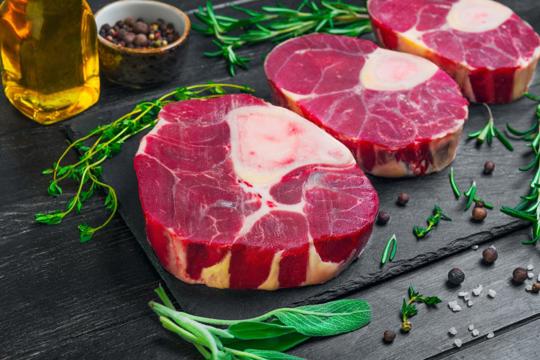
Beef shank and oxtail have some similarities.
They're both tough and need long cooking times to be tender.
Also, they both have a lot of connective tissue, which can make the meat flavorful when cooked.
And they're inexpensive too.
But there are differences.
Oxtail has more bones, making it tricky to work with.
But those bones give flavor and nutrients.
Plus, it's said to have a sweeter taste.
On the other hand, beef shank is leaner and has a beefy flavor.
It's usually bigger too, so it's easier to find.
Beef shank and oxtail are similar - but also different.
Cook them well and use in the right dishes and they can be delicious.
To weigh breed and grade differences that also affect flavor and marbling, Angus vs Choice beef comparison covers how selection influences cooking results.
Popular Dishes and Culinary Uses
Beef shank and oxtail are two totally different meats.
Beef shank needs slow-cooking to become soft and is great for stews and soups.
Oxtail has a gelatinous texture and flavour making it great for braising or slow-cooking dishes like ragù or curry.
The major difference between the two is texture and taste.
Beef shank has lots of connective tissue which makes it firmer, but takes longer to cook.
This collagen melts while cooking and creates a rich broth with really tasty meat.
Oxtail has more fat and a jelly-like quality which melts in the cooking process, providing a creamy texture and flavour.
Chefs often choose one or the other depending on what they want to make.
Beef shank is great for osso buco whereas oxtail is better for Jamaica-style stew or Korean braised dishes.
Knowing the difference between beef shank and oxtail can help you create the best meals for any occasion.
Where to Buy Beef Shank and Oxtail?
Beef shanks and oxtails make any dish taste amazing.
But where to find them? Let us help.
Grocery stores may carry them, yet the quality isn't always great.
Specialty butcher shops often have the best cuts, sourced from local farms.
Plus, online retailers like ButcherBox even offer organic options that come right to your door.
Try local farmers' markets too.
Talk to the farmers and ask about their products.
Or join a CSA program for regular deliveries of locally sourced meats.
The key is to get the best quality beef shank and oxtail.
That's how you make your dish deliciously amazing.
When choosing cuts for classic braises, Coq Au Vin vs Bourguignon comparison explains which proteins and preparations pair best with deep, long-simmered sauces.
Best Cooking Methods for Beef Shank and Oxtail
Beef shank and oxtail - same cattle, but their meat has unique differences.
Both good for braising or stewing, yet different textures and flavors.
Want leaner cut with flavor? Go for beef shank.
Prefer flavor, juicy collagenous texture? Try oxtail - the star of soups and broths.
From similar parts of animal, both offer distinctive merits in flavor and nutrition.
Pick whichever suits best to achieve peak satisfaction in every bite.
Ground and shredded proteins play different roles in recipes. Ground Chicken vs Ground Beef comparison for recipes explains texture and fat differences across uses. Beef suet vs tallow comparison for cooking describes how these fats behave under heat and which is better suited for each technique.
Frequently Asked Questions
Plus, its unique high gelatin content gives it a thicker consistency when cooked. They share some similarities but each has qualities that make it better suited for certain recipes.
In many recipes, yes. Beef Shank and Oxtail fill similar roles, though each brings its own character.
Try a small test batch before committing to a full swap.
Availability varies by region. One is usually a standard grocery store item while the other may require a specialty or international market depending on where you live.
Can a beginner tell the difference by taste?
In a side-by-side tasting, yes.
The difference becomes less obvious when mixed into a recipe with other ingredients.
Most people notice the distinction more clearly on its own.