
In the great debate of bittersweet vs. unsweetened, facts are our friends.
Bittersweet chocolate, you see, has at least 35% cocoa solids. It's the maverick of desserts.
Unsweetened chocolate? That's the pure, unadulterated cocoa experience.
Zero sugar. Not for the faint of heart.
We've tried both. Yes, in a single sitting. For science.
The question isn't just about sweetness; it's about control. You dictate the sugar in unsweetened.
Bittersweet is like that friend who's mostly fun but sometimes too much.
We prefer our chocolate like we prefer our lives - a bit of both.
Choice, we've found, is everything.

Understanding Bittersweet and Unsweetened

Differentiating between bittersweet and unsweetened can be quite challenging, especially for someone who is new to cooking.
Although both are popular chocolate varieties, there are important differences that one needs to keep in mind.
Bittersweet chocolate is sweeter than unsweetened chocolate but has a hint of bitterness.
It contains more sugar and less cocoa solids than unsweetened chocolate, making it less bitter.
If bittersweet chocolate is unavailable, see bittersweet chocolate substitutes list for suitable swaps that preserve richness in recipes.
1 - Bittersweet Chocolate
Bittersweet chocolate usually refers to dark chocolates containing at least 70% cocoa solids.
Its high sugar content makes it a great addition in recipes calling for sweeteners, such as cakes and cookies, without overpowering the dish's sweetness.
Bittersweet chocolate has also been found to have health benefits - it's high in antioxidants and good for cardiovascular health.
For readers comparing chocolate types, a detailed white vs milk chocolate comparison guide explains how sweetness and texture differ across varieties.
2 - Unsweetened Chocolate
Unsweetened (or baking) chocolate has no added sugar or sweetening agents; thus, it has an intense, bitter taste compared to bittersweet or semi-sweet chocolates.
It contains 100% cocoa solids but has limited culinary applications compared to bittersweet since its bitterness can overpower other ingredients.
However, unsweetened chocolate is commonly used in savory dishes such as mole sauces.
For clarification on cocoa-based drinks and ingredients, see the cocoa vs hot chocolate breakdown that distinguishes powdered cocoa uses from drinking chocolate.
Differences Between Bittersweet and Unsweetened

Bittersweet and unsweetened chocolate are two distinct types of chocolate widely used in cooking and baking.
Both have their unique properties that make them suited for specific purposes.
For starters, bittersweet chocolate has more sugar content compared to unsweetened, making it a slightly sweeter option.
Also, bittersweet chocolate contains more cocoa solids than unsweetened, lending it a distinct cocoa flavor that's ideal for baked goods and desserts.
On the other hand, unsweetened chocolate has no added sugar and is about as bitter as it gets.
It's an excellent option when you want to use chocolate purely for its texture and intense flavor.
Since unsweetened chocolate lacks any added sweeteners, it's perfect for inclusion in savory dishes like mole sauce or chili.
The percentage of cocoa can differ between different variations of either bittersweet or unsweetened chocolates.
The higher the cocoa percentage, the less sweet the chocolate will be.
When choosing which one to use in cooking or baking, consider your recipe's demands and choose accordingly.
1 - Definition and Composition
Bittersweet and unsweetened are common terms used to describe the taste of various food and beverages, including chocolate, coffee, and tea.
These terms refer to the amount of added sweetener or sugar present in a product.
Bittersweet generally contains a small amount of sugar or alternative sweeteners, while unsweetened products do not contain any added sugars.
The composition varies between manufacturers, but both options often rely on natural flavors to provide their unique taste profiles.
When choosing between bittersweet vs unsweetened options, it ultimately depends on personal preference and dietary requirements.
Bittersweet may offer a more balanced flavor for individuals who enjoy sweetness but want to limit their sugar intake.
Unsweetened is a great option for those monitoring their blood sugar levels or avoiding added sugars altogether.
It's essential to note that unsweetened products often have a more pronounced bitter taste due to the lack of sweeteners.
It's worth mentioning that some manufacturers use artificial sweeteners in their bittersweet products rather than traditional cane sugar or honey; it's essential to check labeling before purchasing if this is a concern for individuals with dietary restrictions.
In summary, understanding the difference in composition between bittersweet and unsweetened products can aid in making informed decisions about nutritional value and personal preference.
Ultimately, it comes down to personal preference when choosing what option suits you better - bittersweet or unsweetened?
2 - flavor
The flavor of bittersweet and unsweetened chocolate differs greatly.
Bittersweet chocolate has a deeper, more complex flavor with hints of bitterness and a higher percentage of cocoa solids.
In contrast, unsweetened chocolate has a harsher, less pleasurable taste due to its lack of sugar and lower cocoa content.
It is important to understand the composition and intended use for each to achieve optimal flavor in recipes.
When adjusting chocolate taste in recipes, the extract vs flavor comparison helps decide whether to boost aroma with extracts or adjust base flavor.
3 - Culinary Uses
There are distinct differences between bittersweet and unsweetened varieties of chocolate.
Bittersweet chocolate is high in cocoa solids and low in sugar content, making it perfect for cooking and baking recipes that require a strong and bold chocolate flavor.
On the other hand, unsweetened chocolate contains no sugar at all, resulting in a more bitter taste that can be used to balance out sweet ingredients or create sauces and glazes.
As such, bittersweet and unsweetened chocolates are often used differently in various recipes.
While bittersweet varieties are ideal for baking cakes, cookies, and brownies with a deep chocolate flavor, unsweetened chocolates can lend themselves well to savory applications like mole sauces or rich meat stews.
Overall, choosing which type of chocolate to use depends on the recipe itself and personal preferences.
Ultimately, understanding how each type of chocolate can affect the overall dish is essential when it comes to creating delicious meals and desserts.
4 - Health Considerations
This section covers the health considerations of choosing between bittersweet and unsweetened chocolate varieties.
Both options offer potential health benefits, but their differences should be taken into account.
Bittersweet chocolate typically contains more cocoa solids and less added sugar compared to unsweetened varieties.
While both are low in sugar, note that bittersweet can still contain a significant amount, so moderation is key.
Also, unsweetened chocolate may be a better option for those following strict dietary restrictions or managing medical conditions such as diabetes.
Choose the option that aligns with your individual health goals and needs.
Similarities Between Bittersweet and Unsweetened
Bittersweet and unsweetened share commonalities that are noteworthy for anyone interested in dark chocolate.
Bittersweet chocolate contains less sugar than milk chocolate, typically 50% or more cacao solids with varying degrees of sweetness.
Meanwhile, unsweetened chocolate is also called baking or bitter chocolate and is composed primarily of cocoa solids and cocoa butter, no added sugar.
Both chocolates can be substituted for each other in recipes, depending on the desired result, but it's important to note the difference in their sweetness levels.
In terms of flavor, a stark similarity between bittersweet and unsweetened chocolate is its complex flavor notes ranging from fruity citrus to nutty and earthy flavors.
The texture of these chocolates is usually denser than milk chocolate because they contain less sugar and therefore more cacao solids.
Another similarity they share is their use as a base ingredient in various desserts such as cakes, cookies or brownies.
One unique characteristic between bittersweet and unsweetened lies in their cacao percentage differences.
Bittersweet contains a higher percentage of cacao solids compared to unsweetened.
Bittersweet ranges from 50% to 85%, while unsweetened usually has around 100%.
As a result, bittersweet has a slightly richer flavor due to the combination of sugar and cacao solids.
Ultimately, between bittersweet and unsweetened, the choice comes down to personal preference and recipe requirements.
It's worth considering that when substituting one for the other in a recipe, adjustments may be required due to the differing levels of sweetness.
Choosing Between Bittersweet and Unsweetened
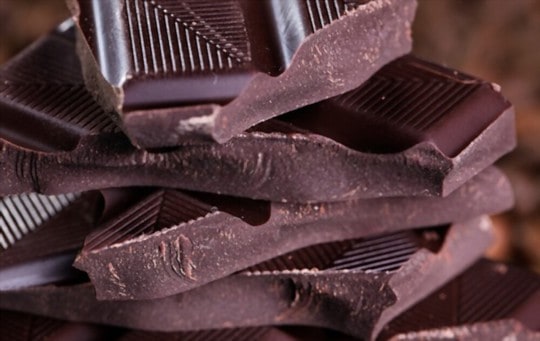
Several factors come into play.
Both types of chocolate are made from cocoa solids but they differ in sugar content with bittersweet being a little sweeter than unsweetened.
Bittersweet chocolate typically has a sugar content ranging from 5% to 50%, whereas unsweetened chocolate has no added sugar.
Therefore, it is important to consider your taste preferences and the purpose of the chocolate before making a decision.
If you are looking for a more intense chocolate flavor or want to use chocolate in baked goods where additional sweetness is unnecessary, then unsweetened chocolate is the way to go.
On the other hand, if you prefer a sweeter taste or want to use it in recipes that require some sweetness such as frosting or ganache, then bittersweet chocolate can be an excellent option as it adds some sweetness without overwhelming the recipe.
It is also worth noting that both types of chocolates have health benefits like being richer in antioxidants and lower in sugar compared to milk chocolates.
However, they are also typically higher in calories due to a higher fat content.
Therefore, moderation is key regardless of which type of chocolate one chooses.
In summary, each type of chocolate has its own unique properties and can be chosen based on individual taste preferences and specific recipes requirements.
Whether one chooses bittersweet or unsweetened may depend upon one's personal preference for sweetness and how much sugar needs to be added for their intended recipe purposes without compromising on flavor or texture whilst keeping health benefits at the forefront of our mind as well.
Factors to Consider
When considering which type of chocolate to consume, there are various factors that require consideration.
These factors importantly impact the nutritional value, taste, and health benefits of the chocolate.
- One must consider the sugar content - bittersweet varieties often contain lower amounts of sugar compared to unsweetened ones.
- The purpose for which the chocolate is being consumed should be considered - is it for weight loss or simply as a mood booster? Choosing the correct option based on one's needs can make all the difference.
- Last but not least, understanding how each type of chocolate affects serotonin levels and blood sugar levels is important in making an informed choice.
Recipes and Applications
The applications and recipes of bittersweet and unsweetened variants have differing implications on taste and nutrition.
Bittersweet chocolate is often used in dessert, while unsweetened chocolate is popular for savory dishes.
Both chocolates can promote cardiovascular health and improve insulin resistance due to their flavanols.
However, bittersweet chocolate contains higher sugar concentrations compared to unsweetened chocolate which contains zero added sugars.
It's always wise to keep both options handy as per the recipe requirements and personal preferences for health benefits as well as taste satisfaction.
For meal ideas that emphasize bold flavors without dairy, explore vegan sandwich recipes with big taste that pair well with chocolate-forward dishes.
Key Differences: Bittersweet vs Unsweetened
The healthier option between bittersweet and unsweetened depends on one's taste preference and health requirements.
Bittersweet is healthier in small portions due to its higher cocoa content and lower sugar content.
Conversely, unsweetened chocolate offers antioxidants, vitamins, minerals, and fiber with no added sweeteners.
Select a chocolate that aligns with your health goals.
Choosing a high-quality brand that uses organic ingredients and less processing can be beneficial for optimal health outcomes.
Frequently Asked Questions
Although both are popular chocolate varieties, there are important differences that one needs to keep in mind. They share some similarities but each has qualities that make it better suited for certain recipes.
They can stand in for each other in a pinch. Bittersweet and Unsweetened overlap in some uses, but the flavor or texture will shift.
Adjust quantities to taste.
Shelf life differs based on processing and packaging. One often keeps longer unopened, while the other may need refrigeration or faster use after opening.
Which one is more forgiving in recipes?
One tends to perform more consistently across a range of cooking methods, making it the safer choice when experimenting.
The other delivers stronger results in specific applications.
If ingredient swaps are needed, consult the bittersweet chocolate substitute suggestions for reliable replacements. For contrasting pantry items and citrus balance, see key lime juice substitute options that add bright acidity.