
Summary of key points
The main difference between blackberry and mulberry is in their appearance and taste. Blackberries are small, dark berries with a tart and sweet flavor, while mulberries are larger, oval-shaped fruits with a more mild and slightly tangy taste.
Both fruits offer health benefits as they are rich in antioxidants, vitamins, and minerals. However, blackberries tend to have higher levels of vitamin C compared to mulberries.
In terms of use, both can be eaten raw or used in various recipes such as jams, pies, and baked goods. Blackberries are also commonly found in juices and smoothies, while mulberries are often dried and added to cereals or trail mixes.
Staring down at a berry and asking ourselves, "Is this a blackberry or a mulberry?" It sounds like a simple question. Yet, here we are, scratching our heads.
Both pack a punch with flavor and health benefits. Mulberries?
Sweet with a hint of tartness. Blackberries? They're the bold ones.
Think of mulberries as the chill neighbor and blackberries as the life of the party.
We once had a pie-baking contest. Used the wrong berry.
Won anyways. Tells you, doesn't it?
Berries rule.
Now, we're going to break it down for you. The differences, the similarities, and maybe why that pie still tasted awesome.
What are Blackberries?
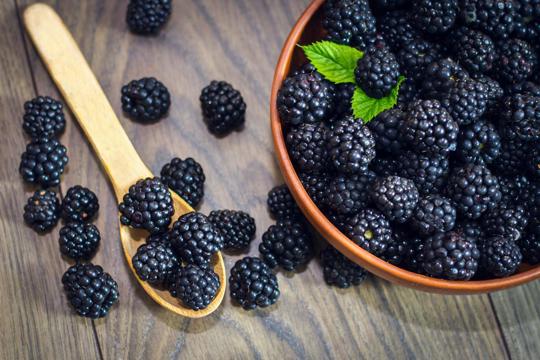
Blackberries, also known as Rubus fruticosus, are small, edible fruits. They come from the Rosaceae family.
Their colour is dark purple or black and they have a sweet-tart taste.
These berries grow on thorny bushes, and are cultivated for commercial purposes.
Blackberries are full of beneficial nutrients. They are high in vitamin C and fiber.
Plus, they contain antioxidants which help lower the risk of chronic illnesses such as heart disease and certain cancers.
These berries can be savored in many ways. Fresh blackberries can be eaten.
Jams, jellies, pies and desserts can be made with them - and for ideas on complementary flavors, see lemon dessert pairing ideas that enhance berry brightness.
Also, they can be added to smoothies, or put on top of yogurt and ice cream.
Blackberries are also important in traditional medicine.
It is said that their leaves have anti-inflammatory properties.
They may be used to treat mouth ulcers and sore throats.
What are Mulberries?

Mulberries are small trees that bear fruits called mulberries.
Their colors range from deep purple to black and even white.
They have a sweet-tangy flavor making them a popular choice for jams, jellies, desserts, and wine.
Mulberries are distinct from blackberries.
Blackberries are bramble fruits while mulberries belong to the Morus genus.
Mulberry trees grow in temperate regions, in three types: black, red, and white.
The leaves of these trees are big and serrated, providing shade in summer.
The fruits look like elongated raspberries or blackberries, and grow on drupes.
Mulberries are nutritious, containing vitamin C, iron, potassium, and antioxidants.
Also, white mulberry leaves feed silkworms, aiding in the production of silk fibers used in textiles.
Mulberries usually pair best with sweet dishes rather than savory dips; for savory snack ideas like what to serve with guacamole, see guacamole pairing ideas and combos.
Differences Between Blackberries and Mulberries
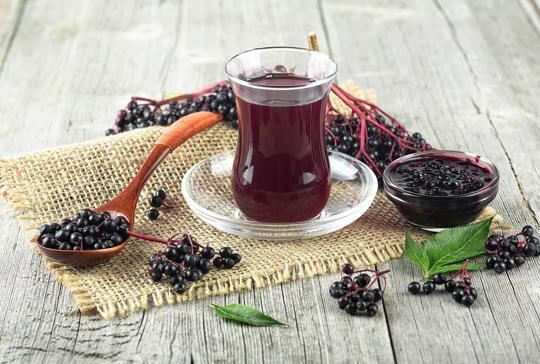
Blackberries and mulberries look alike, but have distinct features.
Appearance and Color
Blackberries and mulberries differ in appearance and color.
Blackberries are round and small with a glossy dark purple or black hue when ripe.
Mulberries, on the other hand, are oblong or cylindrical with a range of colors including deep purple, red and even white.
Blackberries have a smooth and shiny finish. Their dark color is eye-catching.
Mulberries have a matte finish and a slightly bumpy texture - adding an interesting visual to dishes.
Blackberries are mostly dark purple or black. The deep hues signify ripeness and sweetness.
Mulberries, however, come in a variety of colors - from purple to red or white.
These differences between blackberries and mulberries make them unique and desirable in dishs.
Whether you prefer the glossy sophistication of blackberries or the diverse palette of mulberries, both bring their own charm to the table.
flavor and Taste
Blackberries and mulberries differ in flavor - see an extract vs flavor comparison guide to understand how concentrated extracts change fruit taste.
Both are wonderful additions to culinary dishes. Blackberries have a strong flavor - a harmony of sweetness and tartness.
Their juiciness and slight tartness make them great for desserts like pies and jams.
Mulberries, however, have a more subtle sweetness.
They evoke nostalgia and can be used in fruit salads or smoothies, adding a gentle touch.
To sum up, blackberries offer an exciting explosion of flavors, while mulberries provide a more subtle taste.
Both improve cooking projects and create delicious meals.
Nutritional Composition
Blackberries and mulberries have various nutritional differences.
Vitamin-wise, blackberries are packed with C, whereas mulberries are a good source of K.
Plus, blackberries are higher in fiber and antioxidants, making them a healthier choice for digestion and health.
On the flip side, mulberries have more iron which can be helpful for low iron levels.
These variations should be considered when adding these fruits to your diet for the best nutrition.
If curious how different nutrient-rich foods taste, a nutritional yeast taste guide explains the savory, cheesy notes that might complement fruit-forward dishes.
Cultivation and Growing Conditions
Building blackberries and mulberries? Optimize growth with well-drained soil and a pH level of 5.5-6.5.
Also, they need full sun. Blackberries: Fertile, loamy soil is best.
Space plants to allow air circulation and prevent disease.
Mulberries: They need deep, well-drained soil and sufficient moisture.
Hardier than blackberries and can tolerate poor soil.
Both fruits: Prune for healthy growth and increased fruit yield.
Remove dead or diseased branches.
Blackberries: Train on trellises to save space and facilitate harvesting.
Mulberries: Not just fruit. Silkworms feed on mulberry leaves - an association centuries old in many parts of the world.
Bottom line: Provide the right conditions and regular care for bountiful harvests and beautiful mulberry trees.
Similarities Between Blackberries and Mulberries

Blackberries and mulberries are alike in many ways. Both belong to the Rosaceae family.
They have a similar look - small, round and dark.
They are also both fruits with lots of antioxidants and vitamins.
Plus, they are both tart due to high Vitamin C levels.
However, blackberries are mainly found in North America and Europe.
Mulberries have a bigger range: Asia, Africa, and North America.
Blackberries grow on thorny brambles. Mulberries grow on trees.
Even with these differences, the similarities between blackberries and mulberries are more important.
Uses and Culinary Applications of Blackberries and Mulberries
Blackberries & mulberries have many uses & applications in cooking.
They're popular due to their flavor & color. Both sweet & savory dishes benefit from them.
For desserts, try pies, tarts, & crumbles. Or, cakes, muffins, & breads.
In beverages, these berries make great smoothies, juices, & cocktails.
Muddle with mint & mix with sparkling water or spirits for a summery drink.
Savory dishes also love blackberries & mulberries.
Use them in salads, on cheese boards, as sauces, or glazes.
Perfect for roasted chicken or duck. Nutrition-wise, these berries are great.
Blackberries have antioxidants, vitamins C & K, fiber, & manganese.
Mulberries have iron, vitamin C, potassium, & calcium.
Great for boosting your immune system.
Include blackberries & mulberries in your pantry.
Use them for sweet treats or to add flavor complexity to savory dishes.
Endless possibilities for creative cooking.
Health Benefits of Blackberries and Mulberries
These delicious fruits, blackberries and mulberries, are packed with essential nutrients that can improve your well-being.
Let's uncover the advantages of these fruits.
- Blackberries contain antioxidants, which aid in fighting inflammation and guarding against diseases like heart disease and cancer.
- Mulberries are a great source of vitamin C, helping to strengthen your immune system and produce collagen for healthy skin.
- Both types of berries are high in dietary fiber, which helps to keep your digestive system healthy, preventing constipation and aiding in gut health.
Plus, blackberries are known to improve brain function due to their content of anthocyanins.
Mulberries possess resveratrol, which is known for its anti-aging properties.
Indulging in blackberries and mulberries can provide many health benefits.
Both do they have great taste, but they also add to your overall well-being.
Have them as a snack or add them to your recipes for a nutritious boost.
Mulberries are a great source of vitamin C, helping to strengthen your immune system and produce collagen for healthy skin - also see boiling citrus peel benefits for other vitamin-rich citrus uses.
Taste and Appearance: Blackberry vs Mulberry
After all is said and done, it's important to know that blackberries and mulberries are two distinct fruits with different characteristics, but both can be enjoyed in a variety of ways.
If you have the opportunity to try both, don't pass it up.
Blackberries offer a versatile flavor while mulberries have an exotic taste, so they're both worth sampling.
For those who choose to buy fresh berries in the store, look out for bright colors and plumpness.
Blackberry plants can easily spread through seedlings in your garden or yard, so if you want to incorporate them in your home field, think about how their particular style might integrate well into certain areas.
On the other hand, mulberries require more tending due to their need for pruning and annual replanting.
No matter which berry you prefer or how you decide to prepare them, take pleasure in knowing that both are equally as delicious yet uniquely diverse from one another-an excellent reminder of the fascinating spectrum of flavors found in nature's bounty.
Frequently Asked Questions
The main difference between blackberry and mulberry is in their appearance and taste. They share some similarities but each has qualities that make it better suited for certain recipes.
Sometimes. Blackberry works where Mulberry is called for in certain dishes, but not all.
Check whether the recipe relies on a specific quality before substituting.
Cold preparations like salads and dressings often favor the option with a sharper, more defined flavor. Heat can mellow both, so the distinction matters more in uncooked dishes.
Do professional cooks prefer one over the other?
Professional preference depends heavily on the dish and cuisine style.
Each has its context where it outperforms the other, so most experienced cooks keep both on hand.
What Do Mulberries Taste Like? Reveal the Flavor is detailed in mulberries taste and texture explained. For broader context on how concentrated preparations affect fruit profile, see extract vs flavor comparison guide.