
Bleach is nothing remotely close to consumable.
The "DANGER" or "CAUTION" isn't there for nothing.
But the curious mind of many has wondered what it tastes like.
And there are some bold enough to have tasted it accidentally (or intentionally).
We believe they only did that for experimental purposes.
Otherwise, no one in their right mind would go about casually sipping this harmful disinfectant.
One thing we do know is that it is good for several purposes.
For anything from bleaching hairs to industrial purposes, bleach is the standard.
But what does bleach taste like exactly?
We will answer your questions below.
What is Bleach?
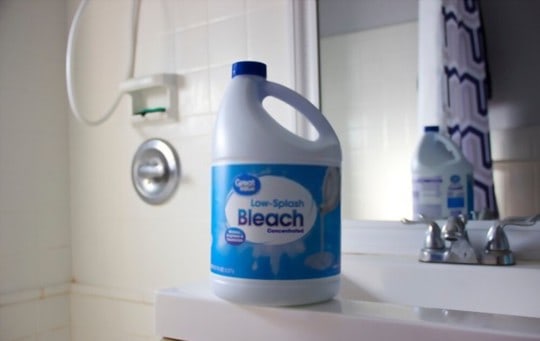
Sodium hypochlorite or bleach is a chemical agent found in domestic homes and factories.
These chemicals are used in homes to clean surfaces or clothes, remove color, etc.
On an industrial level, you will find its use in agriculture, pharmaceutical, paints, etc.
One thing to note is that household bleach is not pure sodium hypochlorite.
It has a mixture of sodium hydroxide, calcium hypochlorite, and hydrogen peroxide.
You will usually find it in liquid form in small bottles.
We have all used bleach to clean the toilet, whiten clothes, dull our hair color, etc.
Plus, they are used in hospitals and hotels as a disinfectant.
They are also great for cleaning pools, sanitizing wastewater, etc.
Household bleaches also come in two types; chlorine and non-chlorine.
Bleach causes oxidation upon contact with different surfaces.
Thus, they are classified as oxidative agents.
Despite its usefulness, you should be aware of the dangers.
Bleach is a highly corrosive chemical, especially when mixed with water.
It can cause respiratory problems, tissue damage, and even death.
For dessert pairing ideas that play on citrus, see lemon dessert pairing ideas and options.
For a contrast with a fruity edible, see acai berry taste guide describing flavor.
What Does Bleach Taste Like?
No matter what type it is, all bleaches have a similar taste.
Have you ever tasted concentrated swimming pool water? Now double or triple the intensity, and you will get a hint of what bleach tastes like.
Bleach has a nasty odor, which is evident even in the taste.
Because of the chlorine content, it tastes super salty and makes you want to throw up.
If you can recall your childhood days chewing on cheap plastic toys, this is another indication.
Bleach also has a flavor that people would classify as rubbery or "plastic-y".
It tastes and smells similar to tire tubes as well.
Although, the intensity is greater with bleach because it is a chemical.
Have you ever tasted or smelled sulfuric acid? Bingo.
Bleach has a similar effect to this chemical.
If you ever taste it, you will feel an intense burn in your mouth.
Next, you won't be able to taste anything because they damage our tastebuds.
The strong chemical will have no problem wiping out our delicate taste cells.
Also, they will affect your sense of smell too.
Make sure your home has proper ventilation.
Otherwise, constant use of bleach in close quarters can affect the cells in your nose.
However, not all bleaches can cause long-lasting effects.
There are some with lower sodium hypochlorite content.
But that doesn't mean you shouldn't take the proper measures to ensure safety.
If you come into contact with bleach, wash the affected area immediately.
And most importantly, keep it out of reach of children.
The strong chemicals can easily damage undeveloped tissue and cells in children.
What Happens If You Drink Bleach?
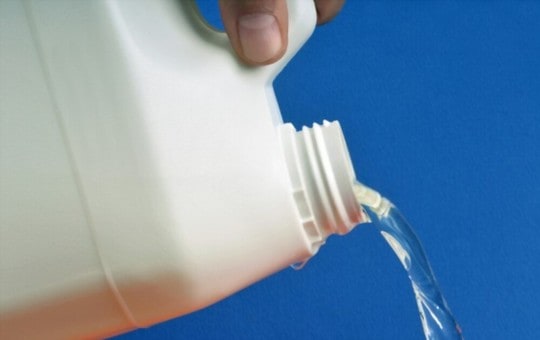
Drinking bleach, intentionally or by accident, can cause serious problems.
It is clearly written on the label that bleach is poisonous.
Therefore, nobody in their right senses would consider drinking it.
But if you do, you will suffer fatally.
Firstly, it will burn your esophagus and cause mouth irritation.
Next, you will experience tummy problems and nausea, which leads to vomiting.
These effects can also transfer to your eyes and nose.
Your eyes will start to sting, and you will lose your sense of smell.
The upside is these effects are temporary, and you will return to normal with proper care and medication.
Some people also believe in the myth that drinking bleach can kill disease-causing viruses like corona.
But this is entirely false. If you swallow or inhale bleach, clean your mouth with water or milk immediately.
Do not force yourself to throw up, as this can cause more harm.
Next, you want to call the Poison Control Centre and report how much you ingested.
You will be out of harm's reach with the proper medical care.
However, the risks are high if you swallow a large amount.
Mixing a tiny amount of bleach with water for drinking is okay.
But you should reserve such methods for emergencies only.
Boiling or using coal and sand filtration methods should be your first option.
For a look at two classic cocktails often compared, see Gibson vs Martini comparison that explains differences.
Health Risks and Taste of Bleach
So, there you have it. Hopefully, now you know what bleach tastes like.
And we kindly suggest not trying it to see if we are right or wrong.
Smelling bleach is okay, although it is harmful.
But if you just take a light sniff, you will know exactly what it tastes like.
To avoid any health hazards, use bleach sparingly.
When you do, open your windows and ventilations properly.
Use in small quantities and keep the bottle sealed and away from pets and children.
This way, you ensure safety and hopefully do not discover that we were right.
Acai's flavor profile offers a fruity contrast. acai berry taste guide describing flavor complements technical safety topics. low-carb pasta alternatives that taste great suggests milder flavor swaps.
Frequently Asked Questions
But the curious mind of many has wondered what it tastes like. And there are some bold enough to have tasted it accidentally (or intentionally).
But what does bleach taste like exactly? Try it in a few different preparations to find which version you prefer.
Is Bleach an acquired taste?
Some people enjoy Bleach right away while others need a few tries.
The flavor can grow on you, especially when paired with familiar ingredients in a dish you already like.
Preparation makes a significant difference. Raw, roasted, fried, and steamed versions each bring out different qualities - sweetness, bitterness, earthiness, or richness - in the same ingredient.
Are there varieties that taste noticeably different from each other?
Yes.
Different cultivars, origins, or processing methods produce meaningful flavor differences.
If one version did not appeal to you, trying a different variety is worth the effort.