
Summary of key points
The Gibson Drink vs Martini comparison outlines that the primary difference lies in the garnish: a Gibson is garnished with a pickled onion, whereas a Martini is traditionally garnished with an olive or a lemon twist. Both drinks are made with gin (or vodka) and vermouth, but the choice of garnish imparts a distinct flavor and character to each cocktail.
Are you a fan of classic cocktails, looking to broaden your knowledge on the topic?
Confused about why two seemingly similar drinks have different distinctions?
Here is a look at these two iconic drinks!
Understanding intensity helps with cocktail balance - extract vs flavor comparison for intensity explains how concentrated ingredients change taste.
What is a Gibson Drink?
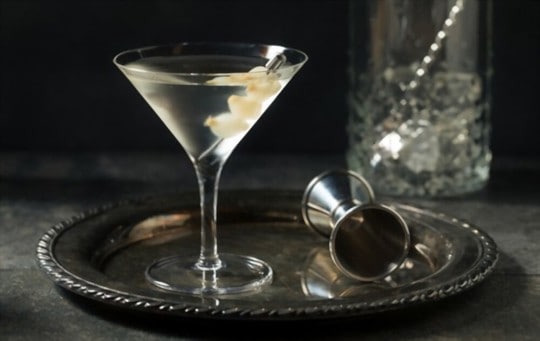
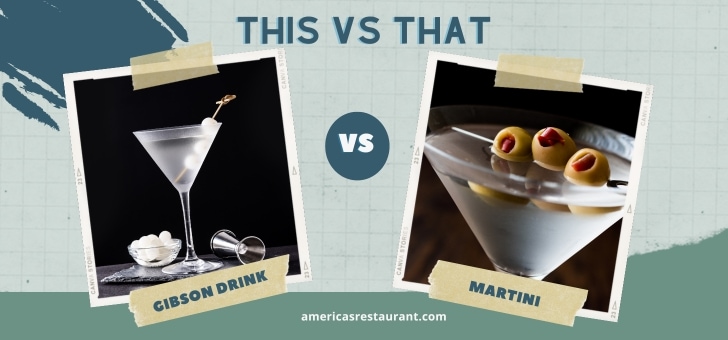
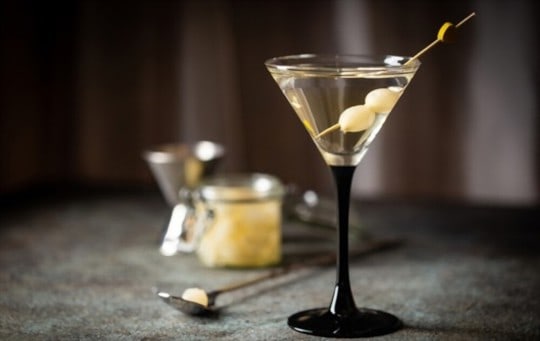
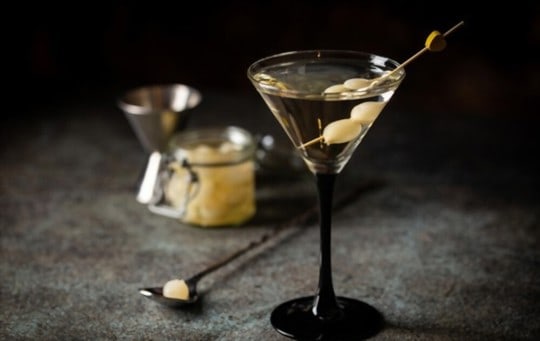
A Gibson Drink is a cocktail that is quite similar to a Martini, with the main difference being the garnish.
While Martinis usually have a green olive or lemon twist as their garnish, Gibsons are served with a pickled onion instead.
There are many variations of the Gibson today, some people prefer to use gin while others prefer vodka.
The choice of vermouth can also vary from person to person, with some preferring sweet vermouth and others opting for dry.
The history behind the Gibson Drink is not entirely clear, but it is believed to have been named after Charles Dana Gibson, an illustrator who popularized the image of the "Gibson Girl" - an idealized depiction of American femininity in the late 1800s and early 1900s.
The savory pickled onion garnish contrasts with sweeter pairings; see what goes well with lemon in desserts for sweet-savory pairing ideas to understand complementary flavors.
What is a Martini?
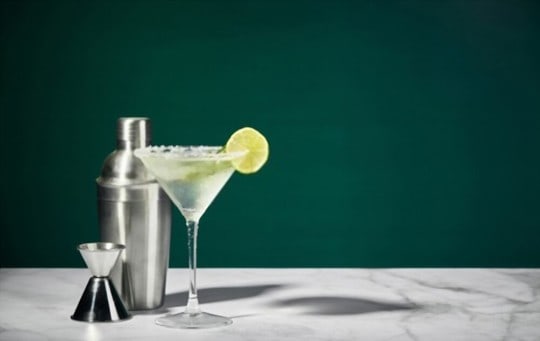
A Martini is a classic cocktail made with gin and vermouth, typically served in a chilled glass with an olive or lemon twist garnish.
It is one of the most famous and iconic cocktails in the world, known for its simplicity and elegance.
To make a martini, combine gin and dry vermouth in a mixing glass filled with ice.
Stir until well chilled, then strain into a chilled cocktail glass.
Garnish with either an olive or lemon twist.
The proportions of gin to vermouth can vary depending on personal preference and regional variations, but typically range from a ratio of three to one (gin to vermouth) to six to one.
The history of the martini is somewhat murky, with various stories and claims about its origins.
Some say it was invented at the Knickerbocker Hotel in New York City during the late 19th century, while others credit bartenders in Martinez, California or San Francisco for its creation.
Regardless of its true origins, the martini has become synonymous with cosmopolitan sophistication and elegance.
In recent years, there have been many variations on the traditional martini recipe, including flavored vodkas and other liquors such as tequila or bourbon used in place of gin.
However, purists continue to prefer the classic gin and vermouth recipe, served with a simple garnish of olives or lemon twist.
A classic martini's briny olive garnish pairs with savory snacks - what to eat with guacamole for savory pairing suggestions offers similar snack pairing logic.
The Differences Between a Gibson Drink and a Martini
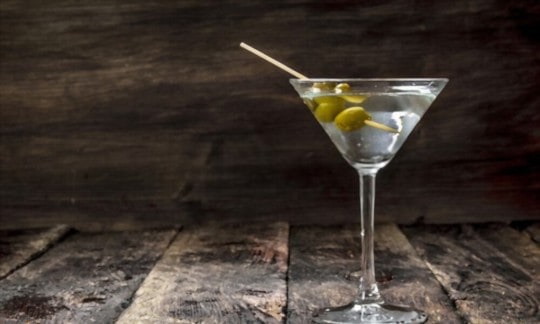
The Differences Between a Gibson Drink and a Martini are quite subtle but significant.
Both of these classic cocktails are served in a distinctive glass with similar ingredients, such as gin or vodka and dry vermouth, but the garnish sets them apart.
As you can see, the main difference between the two drinks is their garnish.
A Gibson Drink is always served with cocktail onions skewered on a toothpick placed in the glass.
On the other hand, Martinis can have various garnishes ranging from an olive to a twist of lemon peel.
Another notable difference is that Gibson Drinks contain less vermouth than Martinis.
Interestingly, both cocktails have interesting origins - similar origin contrasts appear in Roy Rogers vs Shirley Temple comparison of origins.
As mentioned above, Gibsons were named after Charles Dana Gibson, who was famous for his illustrations depicting fashionable people sipping martinis whilst wearing tails and tuxedos at high-end parties.
Meanwhile, Martini is named after Martinez, California.
Ingredients Used
The ingredients used in a Gibson drink and a Martini are the same, with just one important difference.
Both of these cocktails are made with gin and dry vermouth.
The only difference is that the Gibson garnish includes a pickled onion instead of an olive or lemon twist as in a traditional Martini.
As you can see, the only variation here is the type of garnish used.
Both drinks consist of gin and dry vermouth served with ice in a chilled glass, but the garnish is what sets them apart.
While a classic gin-based cocktail like the Martini favors an olive or citrus twist for garnish, its lesser-known cousin - Gibson - swaps them out for pearl onions that come pickled.
So, you might wonder whether one cocktail has more alcohol compared to the other considering they have similar compositions? Well, no.
Unless you opt for higher measures of spirits during preparation, both drinks would have roughly similar alcohol strength.
All in all, if you're fond of Martinis already and want to try something new, give Gibson a shot (pun intended).
The distinct taste brought by pickled onions gives it its unique flavor.
Garnish
The garnish for a cocktail is the final touch that adds both visual appeal and flavor to the drink.
It can be a simple or complex addition, ranging from a small twist of citrus peel to elaborate fruit skewers or delicate flowers.
The right garnish can improve a cocktail from ordinary to extraordinary.
As you can see, there are many different options when it comes to garnishing your cocktail.
The choice often depends on the type of drink and personal preference.
For example, a Gibson drink traditionally comes with cocktail onions instead of olives as its garnish.
The importance of garnish should not be overlooked; it adds both aesthetic value and depth of flavor to any cocktail.
Experimenting with different types can lead to new discoveries and favorites.
Glassware
Glassware is an essential aspect of serving drinks, and it matters in improving the overall drinking experience.
Different types of glassware are used based on the type of drink being served.
There are specific glassware requirements for each.
For the Gibson drink, a special type of glass is used - the Gibson martini glass or cocktail glass.
This glass has a unique shape that sets it apart from other glasses.
It has a long stem with a wide bowl at the top that's designed to hold around six ounces of liquid.
The bowl has a curvature towards its brim that helps keep the garnish in place.
On the other hand, for martinis, either a classic martini glass or V-shaped glass is typically used.
These glasses have an inverted cone shape with a long stem and small base that flares into a broad rimmed bowl-like portion where you can pour the cocktail.
Like with the Gibson martini glasses, they allow room for garnishes such as olives or twists while still keeping them elegant-looking.
It's important to use the right type of glass for each drink so that you can enjoy its full flavor and aroma properly.
Also, some people prefer using crystal-clear glasses to show off their perfectly crafted cocktail creations.
Overall, when it comes to serving Gibson drinks or Martinis, having designated glasses adds elegance and sophistication to any occasion.
So make sure you're always stocked up on both types so that your guests can enjoy their cocktails in style.
Preparation Method
To prepare a Gibson Drink or Martini, there are various steps that must be followed.
These steps involve the use of different ingredients and techniques to achieve the desired result.
In this section, we will discuss the preparation methods involved in making these popular cocktails.
The preparation method for both cocktails is fairly simple and similar in nature.
Both require the use of a shaker or stirring vessel to properly mix the ingredients together before being strained into a chilled glass.
For garnishing the Gibson, cocktail onions are added while olives or lemon twists can be used as garnishes for a Martini.
Note that these cocktails should never be shaken as it over-dilutes the drink and alters its taste.
Instead, they should always be stirred gently to maintain their crisp texture and flavor.
By using these proper techniques, one can create either a classic Gibson Drink or Martini that is sure to impress friends and family at any event or gathering.
flavor
The flavor of a Gibson drink and a Martini can be compared side by side to understand their differences.
While both drinks have similar primary ingredients, the ratios and types of ingredients used in each drink bring out unique flavors.
In terms of flavor, Gibson drinks are known for their crispness due to the predominantly gin base.
The addition of only a small amount of vermouth gives it a slight herbal aroma without affecting the taste much.
On the other hand, Martinis are known for being dry and aromatic due to a relatively larger amount of vermouth added to balance out the strong gin or vodka base.
The addition of olive brine in dirty martinis enhances saltiness and makes them less dry than regular Martinis.
In summary, while both Gibson drinks and Martinis share common ingredients, their differences in ratios and types of ingredients lend unique flavors to each cocktail.
Similarities Between a Gibson Drink and a Martini
Both a Gibson drink and a Martini cocktail have similarities that make them two of the most popular alcoholic beverages globally - see cocktail vs mixed drink comparison for category differences for how classifications overlap.
These similarities range from their preparation methods to their serving glasses, garnishes, and ingredients.
As shown in the table above, the primary alcohols used to make both drinks are either gin or vodka.
They are also served in similar cocktail glasses that can be chilled or not depending on preference.
In terms of garnish, both drinks use either an onion or olive.
Also, both cocktails are mixed using stirring techniques rather than shaking to avoid breaking ice shards into the drink.
The only difference is that while Martini uses vermouth and bitters during the mixing process, Gibson drink uses dry vermouth as well as onion juice.
In summary, the similarities between Gibson Drink and Martini lie in their primary ingredients, serving techniques, garnishes, and mixing styles.
Popular Variations of a Gibson Drink and a Martini
There are endless possibilities for variations and styles.
The Gibson drink and the Martini are no exception.
As you can tell from the table above, the main differences between a Gibson drink and a Martini lie in their garnishes and vermouth amounts.
While the former has just a splash or none at all, the latter is known for its various dryness levels ranging from dry to bone dry to name a few.
Also, while a Gibson drink is typically garnished with pickled onion, olives or lemon twists are commonly used as garnishes for Martini.
There are even more variations beyond what's listed in the above table - for a sense of how recipes evolve, consult New Fashion vs Old Fashioned comparison of riffs.
For instance, vodka can sometimes be used as the main ingredient instead of gin in either cocktail, resulting in a slightly different taste profile.
Some people also prefer to add extra flavorings such as bitters or orange peel to their Martinis, and there's always the option of shaking versus stirring for those who enjoy experimenting with texture.
In the end, the exact recipe you choose will depend on your personal taste preferences.
Whether you go for a classic Gibson drink or opt for a more complex Martini, it's important to experiment and find the variations that work best for you.
Which is Better: Gibson Drink or Martini?
Gibson Drink or Martini? This is a question that has been asked by many cocktail enthusiasts over the years.
While both are classic cocktails that can be enjoyed at any time, there are some differences between them.
Both Gibson Drink and Martini have their unique features.
The Gibson Drink is garnished with a cocktail onion which adds a savory flavor to the drink whereas the Martini is garnished with an olive which doesn't add much to the taste of the drink.
However, they are quite similar as they both use dry vermouth.
However, in some cases, Martinis can also be made with sweet vermouth - compare how sweetness shifts style in Caucasian vs White Russian comparison of sweetness.
Another difference is that while Martini can be made in different variations (such as vodka martini and dirty martini), there aren't many variations of Gibson Drink available.
Ultimately whether you prefer one over the other depends on your preference as well as mood.
You may enjoy a salty taste of olive-infused Martini for one occasion while may want to try out something savory like a Gibson drink on another day.
Distinguishing Gibson Drink from Martini
So which is better? It ultimately depends on personal preference and the setting.
If you're attending or hosting a formal event, a Gibson drink may be more appropriate due to its association with business meetings and elegance appeal.
On the other hand, if you're going out with friends or colleagues after work, sipping on trendy Martinis with olives could elicit positive social interaction.
It boils down to individual taste preferences and what mood or atmosphere is being created in the occasion.
Cosmo contrasts with a Martini in fruitiness and balance. Cosmo vs Martini: flavor and style differences explains that contrast. For olive-forward variations, Dirty Martini vs Regular Martini: garnish and brine differences examines how brine changes the experience.
Frequently Asked Questions
Both drinks are made with gin (or vodka) and vermouth, but the choice of garnish imparts a distinct flavor and character to each cocktail. They share some similarities but each has qualities that make it better suited for certain recipes.
It depends on the dish. Gibson Drink and Martini share some overlap, but each shines in different preparations.
Swapping works best in forgiving recipes like soups or stews.
Pricing varies by brand and region, but one is typically more accessible at everyday price points. The other may cost more due to specialization or limited supply.
Is there a best time to use each one?
One shines in applications requiring subtlety and background support.
The other is better when it is meant to be a center.
Matching the right one to its role makes a noticeable difference.