
Summary of key points
The main difference between a new fashion and an old fashioned drink is in the ingredients used to make them. A new fashion contains bourbon (or other brown spirits), amaro, and bitters, while an old fashioned typically only has whiskey, sugar, and bitters.
In terms of taste and appearance, a new fashion is richer and more complex due to the addition of amaro, a bitter herbal liqueur. An old fashioned has a simpler and more traditional whiskey-forward flavor.
Both drinks are often served over ice and garnished with an orange peel for a hint of citrus. Whether you prefer the bold flavors of a new fashion or the classic simplicity of an old fashioned, both can be enjoyed as a sophisticated and delicious cocktail.
In 1806, "cocktail" got its first shout-out in print. It was all about spirits mixed with sugar, water, and bitters.
Fast forward to today, and here we are, still sipping on these classics. But, man, have we seen some changes or what?
Drinks have outfits too. Old Fashioned?
That's like the comfy jeans of the bar world.
New Fashion? More like those trendy sneakers everyone wants.
We've had our share of drink mix-ups. Ever ordered an Old Fashioned and got something that looked like it belonged at a neon rave?
Yep, us too.
What is a New Fashion Drink?

A new fashion drink is the latest in bevvy trends.
It combines the freshest flavors, techniques and presentation styles.
Unique ingredients, creative combinations and eye-catching garnishes make these drinks special.
They're crafted with precision and creativity.
Providing an exciting sensory experience for the consumer.
Focus on experimentation and novelty.
These drinks cater to the changing tastes of today's drinkers.
Bartenders and mixologists are always pushing boundaries, creating extraordinary concoctions.
From molecular mixology to artistic presentations.
It's a fusion of science, artistry and craftsmanship. They capture current culinary trends.
Drawing inspiration from global flavors, local ingredients and cultural influences.
Quality and aesthetics are key. These drinks are about more than just quenching thirst.
They offer a visual and flavorful journey. Innovative and healthy too.
New fashion drinks often feature fresh fruits, herbs and natural sweeteners.
Showing the growing demand for wellness-oriented beverages.
What is an Old Fashioned Drink?
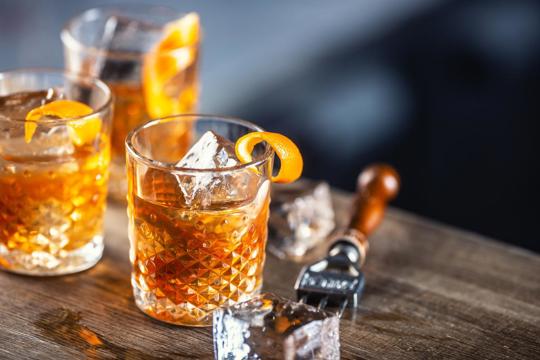
An old fashioned drink is a classic.
Dating back to the late 19th century, it's made by muddling sugar and bitters.
You add whiskey or bourbon, and top with an orange peel.
This timeless beverage oozes elegance. A bygone era is evoked.
What sets it apart from modern cocktails? Simplicity and quality of ingredients.
Unlike the contemporary drinks with fancy flavors and garnishes, the old fashioned relies on the whiskey/bourbon's rich flavor.
It's complemented by a hint of sweetness from the sugar and bitters.
Result? A smooth, well-balanced concoction that lets the spirit take the spotlight.
The beauty of an old fashioned is its versatility.
It's vintage but timeless. You can customize it to your liking.
Some like a sweeter version with a touch of cherry or orange liqueur.
Others appreciate the traditional recipe without additional frills.
Differences Between New Fashion and Old Fashioned Drinks
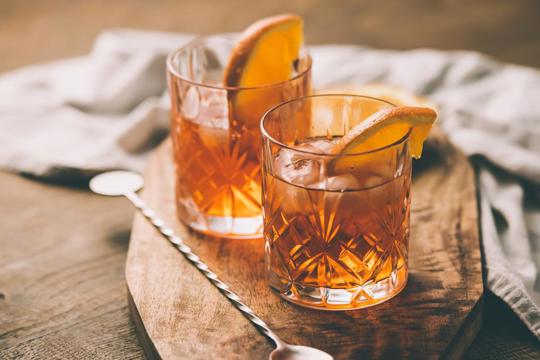
New Fashion and Old Fashioned Drinks vary in many ways.
One huge contrast is the components used.
New Fashion mixes modern tastes, often with unique fruits and herbs.
On the other hand, Old Fashioned Drinks stick to a classic mix of whiskey or bourbon, bitters and sugar.
Another big gap is in the presentation.
New Fashion cocktails are often quite fancy, with detailed garnishes and special glassware.
Whereas Old Fashioned Drinks have a more basic look, often served in a classic rocks glass.
These differences mean that both styles give different experiences to cocktail lovers.
flavor
The flavor of a beverage is its special mix of tastes and aromas.
It's the overall sensory experience one gets when they drink something.
Here, we look at the difference between new fashion and old fashioned drinks, in terms of flavors.
New fashion drinks tend to have bold, bright flavors.
They often contain many ingredients that blend together to make interesting flavors.
Exotic fruits, innovative herbs and spices, these modern-day drinks push the boundaries of taste.
Old fashioned drinks, though, have a more classic, refined flavor.
They use fewer ingredients, like whiskey, sugar, bitters and water.
The goal is to highlight the essence of each one.
The result is a balanced, timeless flavor that has been around for ages.
New fashion drinks often have fruity notes with zesty citrus or tropical flavors.
Plus, they may have herbal or floral elements.
On the other hand, old fashioned drinks focus on richer, stronger tastes with warm tones from aged spirits like bourbon or rum.
To sum up, the difference in flavors lies in their approach to taste.
New fashion drinks surprise us with unique experiences, while old fashioned cocktails bring us back to the past with their simple yet elegant flavors.
Whether you prefer the avant-garde or tradition, there's a drink out there with a flavor just for you.
Ingredients Used
When drinks are concerned, new fashion and old fashioned differ more than just in name.
The ingredients used are key to distinguishing these two types.
For a new fashion drink, bartenders often pick modern, inventive ingredients such as exotic fruits, infused spirits, or artisanal bitters.
The aim? To make a bold, refreshing flavor that pleases the more daring palate.
In contrast, an old fashioned drink employs classic components that have stood the test of time.
Whiskey, sugar, water, and aromatic bitters are the usual picks.
The straightforwardness of these ingredients lets the whiskey shine.
It's a timeless choice, treasured by many generations.
Both drinks have their own allure, ingredients are majorly responsible for setting them apart.
Whether you go for the excitement of new fashion or the nostalgia of old fashioned, each style offers a unique drinking experience.
Mixology Techniques
Mixology is more than just mixing drinks. It's an art that requires precision and creativity.
To create unique concoctions, mixologists use various techniques, like muddling, shaking, stirring and layering.
These methods extract essential oils from fruits or herbs, adding flavor and visual appeal.
Layering is a popular technique used to create colorful drinks.
By pouring liquors of varying densities, mixologists can build layers of different colors.
This adds visual interest and a unique taste experience.
Innovative trends in mixology are emerging.
Molecular gastronomy techniques, such as foams or caviar spheres, add surprising textures and flavors.
Smoking and infusing add depth and complexity.
Creative garnishes like edible flowers or flavored ice cubes give drinks an extra wow factor.
And unique presentation styles, like serving drinks in hollowed-out fruits or unconventional glassware, provide a memorable experience.
Presentation and Garnish
Presentation and garnish are very important in the drinks world.
They not only make drinks look better, but add an extra touch to the drinking experience.
How a drink is presented and garnished affects how customers perceive it.
Modern fashion favors innovation and creativity.
Bartenders have become artists, using various techniques to make drinks look amazing.
From glassware choices to complex ice sculptures, every detail is considered to impress.
Cocktails are often presented with theatrical effects like smoke, fire or even edible components, to appeal to all senses.
Garnishes have also evolved. While older drinks might have a slice of lemon or lime, modern mixologists use a range of ingredients.
Fresh herbs, exotic fruits, and edible flowers are all commonly used.
Both do they look nice, but they add new flavors which go with the drink.
Presentation and garnish are also about storytelling and branding.
Many bars use unique vessels or customized garnishes for signature drinks.
This creates a memorable experience and helps to establish the bar's identity.
To conclude, presentation and garnish have come a long way.
Modern fashion emphasizes creativity, innovation, and multi-sensory experiences.
Bartenders continue to make visually striking and flavorful drinks, to captivate customers' eyes and palate.
Similarities Between New Fashion and Old Fashioned Drink
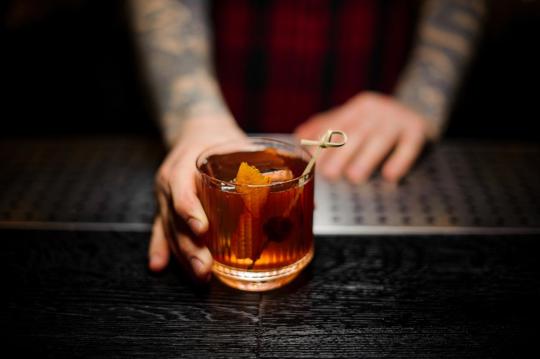
New Fashion and Old Fashioned drinks may look different, but they share similarities.
Both have a long history - Old Fashioned since the 19th century.
They're timeless and can appeal to the most sophisticated tastes.
Their ingredients are similar.
Spirits such as whiskey or bourbon, bitters for flavor, and sugar or syrup to balance bitterness.
Preparation is also the same - muddling to release essences and blend flavors.
However, they differ in modern twists.
New Fashioned drinks experiment with new ingredients and techniques.
Old Fashioned drinks stick to tradition, honoring the original recipe.
These styles cater to different preferences.
Whether you choose modern or traditional, you can enjoy a timeless libation.
Popular Variations of New Fashion and Old Fashioned Drinks
Delicious mixtures of old-fashioned and new fashion drinks tempt different tastebuds.
They mix classic recipes with modern flavors, like smoky Mezcal Old Fashioned or citrusy Grapefruit New Fashion.
Mixologists and bartenders have upped the game by adding infused spirits, unusual garnishes, and exotic fruits and spices.
They also present drinks in vintage glassware with creative garnishes to make them a feast for the eyes.
Whether you're into classic Old Fashioned or a new fashion drink, a well-crafted cocktail will delight your senses.
Next time you're out, why not try one of these popular variations and discover your new favorite drink? Cheers.
How to Make New Fashion and Old Fashioned Drinks at Home
Making a New Fashion or Old Fashioned is simpler than you'd imagine.
Follow these simple steps to enjoy these timeless cocktails from the comfort of home:
Gather the ingredients -.
For a New Fashion: 2 oz of whiskey, 1 demerara sugar cube, 3 dashes of orange bitters, plus a twist of orange peel for garnish.
For an Old Fashioned: 2 oz of bourbon or rye whiskey, 1 sugar cube, a few dashes of Angostura bitters, plus a slice of orange peel and cherry for garnish.
- Prepare the glass - fill a rocks glass with ice cubes (Old Fashioned) or an ice sphere (New Fashion).
- Muddle the sugar and bitters - in a mixing glass, muddle the sugar cube with the bitters until blended.
- Add the whiskey - pour the whiskey over the muddled mix and stir gently.
- Strain into the prepared glass, garnish and enjoy.
These two drinks have similarities with whiskey as their base, but also subtle differences.
The New Fashion typically uses demerara sugar cubes with orange bitters for a citrus hint, while an Old Fashion employs a regular sugar cube with Angostura bitters.
Try different whiskey brands and variations to find your ideal New Fashion or Old Fashioned drink.
Flavor and Preparation: New Fashion vs Old Fashioned
Ultimately, there is no right or wrong answer when it comes to new fashion vs old fashioned drinks.
Experiment by trying different types of drinks and find what works for you.
There are so many exciting possibilities when you stop comparing one drink to another and realize that they each have their own tastes, sensations, and stories.
Learning more about the history behind different drinks can help us appreciate them in a whole new way.
After all, we're all part of something bigger than our choices: We're part of an ever-evolving cocktail culture where new ideas will always be welcomed - as long as they make for a good drink too.
Frequently Asked Questions
The main difference between a new fashion and an old fashioned drink is in the ingredients used to make them. They share some similarities but each has qualities that make it better suited for certain recipes.
In many recipes, yes. New Fashion and Old Fashioned Drink fill similar roles, though each brings its own character.
Try a small test batch before committing to a full swap.
Availability varies by region. One is usually a standard grocery store item while the other may require a specialty or international market depending on where you live.
Can a beginner tell the difference by taste?
In a side-by-side tasting, yes.
The difference becomes less obvious when mixed into a recipe with other ingredients.
Most people notice the distinction more clearly on its own.