
Summary of key points
The main difference between braising and stewing is in the cooking method. Braising involves searing meat on high heat and then slow-cooking it in a small amount of liquid, typically in a covered pot.
This allows for the meat to become tender while still maintaining its shape.
On the other hand, stewing involves cutting meat into smaller pieces and cooking it in a larger amount of liquid for a longer period of time. This results in a more tender and flavorful meat but with less defined shape.
Both methods can be used to cook tougher cuts of meat and create delicious, comforting dishes. The choice between braising and stewing will depend on personal preference and the desired texture of the final dish.
Braising and stewing both transform tough cuts into tender meals. They're not the same.
Believe us, we've mixed them up before.
Braising involves cooking with less liquid. It's like giving your beef a spa day, partially submerged.
Stewing? Think pool party for your potatoes and meat. Everything's under water.
We once thought tossing everything into a pot was the trick. We were wrong.
Each technique has its time and place. Mastery over these means you're set for life.
Comfort food? You've got it covered.
Remember, braising is semi-wet, stewing is a full plunge. Get this right, and you're golden.
What is Braising?
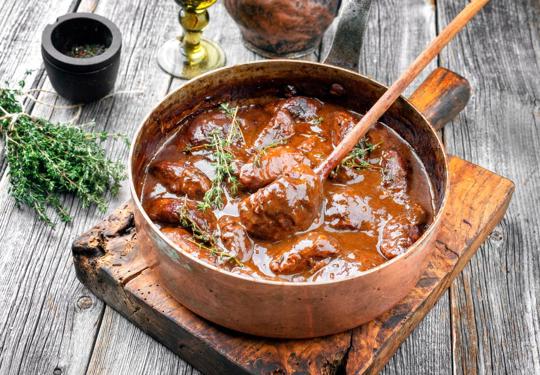
Braising is a cooking method that sears meat in a hot pan and then slowly cooks it in liquid, with aromatics and vegetables.
The low and slow heat makes the meat tender and infuses it with flavors.
Tough cuts of meat become juicy and flavorful.
- First, brown the meat on all sides for a deep, caramelized crust. This adds color and boosts flavor.
- Then, add the meat and other ingredients to a pot or Dutch oven. Partially cover them with a flavorful liquid like broth, wine, or water.
- Cover the pot and cook it low and slow. This gives time for the flavors to mix while tenderizing the meat. The result? Melt-in-your-mouth texture and richly flavored dishes.
Braising focuses on larger cuts of meat like roasts or shanks.
Stewing cuts ingredients into smaller pieces and cooks them in more liquid.
Braising uses less liquid, creating more concentrated flavors.
What is Stewing?
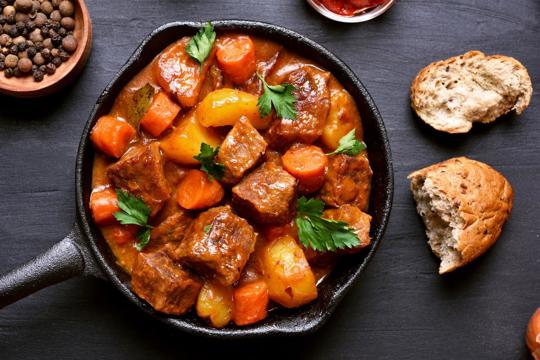
Stewing is a cooking method with low heat over time.
The flavors blend, resulting in tender dishes.
Chunks of meat, veg, and herbs or spices all go in a broth.
Begin by browning the meat to give flavor.
Put in a pot with other items. Cover with liquid like stock, wine, or water.
Put lid on pot and cook slowly. Stewing is versatile.
Meats like beef, lamb, chicken, and fish can all be used.
Veggies like carrots, potatoes, onions, and celery are common.
Herbs and spices are added too. Stewing is a classic way to get the best out of ingredients.
It turns simple things into satisfying meals. Next time you want a filling meal, try stewing.
Key Differences Between Braising and Stewing
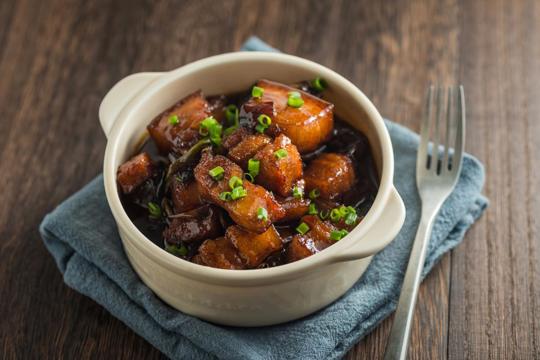
Braising and stewing are two cooking techniques that yield delicious results.
But, they differ in their process and ingredients.
Cooking Method
Cooking methods are many and varied. Braising and stewing are two of them.
They both involve slow cooking, but
Braising entails searing the ingredients in hot oil before adding liquid and simmering slowly.
This locks in the juices and tenderizes tougher cuts.
It creates dishes like pot roast or coq au vin, where the meat stays intact and is surrounded by a savory sauce.
Stewing requires submerging the ingredients completely in liquid and then slow cooking them until tender.
This produces moist and juicy dishes with a thick, broth-like consistency.
The flavors blend together nicely resulting in hearty dishes like beef stew or vegetable soup.
The amount of liquid used is different in each method.
Braising uses just enough to partially cover the ingredients, creating concentrated flavors.
Meanwhile, stewing requires enough liquid to submerge everything, making for a more diluted yet flavorful outcome.
Also, braising usually involves larger cuts of meat or whole vegetables that require longer cooking times.
Stewing may involve smaller pieces of meat or diced vegetables which cook more quickly due to their size.
Liquid Content and Consistency
Braising and stewing may look similar, but they are different.
Braising uses a tiny amount of liquid to cook meat in a covered pan.
This method creates a tasty dish with a flavorful sauce.
On the other hand, stewing adds all ingredients to a pot of liquid.
This process can take longer, and makes a thicker stew with vegetables and fruit.
Both techniques need slow cooking to make a delicious meal.
Braised dishes are comforting, while stews can be traditional or exotic.
Try one of these methods for a nice dining experience and savor the flavors of slow cooking.
Ingredients Used
Braising and stewing are two yummy cooking techniques.
They require slow-cooking food in liquid, creating tender and flavorful dishes - perfect for colder months.
While similar, there are some differences.
Ingredients vary in braising and stewing.
Commonly, these include meat (e.g. beef, pork, or lamb) and veggies (e.g. carrots, onions, and potatoes). You can use herbs, spices, and seasonings to add flavor.
Braising usually needs a liquid, like broth, wine, or water, which creates a moist environment and adds richness.
In contrast, stewing needs enough liquid to submerge all ingredients, enabling flavors to meld.
Cooking times differ too. Braised dishes take longer at lower temps, allowing tough meat to become tender.
Stews need shorter cooking times since smaller cuts of meat and veggies are used.
Both methods make filling and scrumptious meals.
Allow ample time for the ingredients to cook low-and-slow for ultimate tenderness.
So next time you're looking for a cozy meal during cooler weather, try braising or stewing - your palate will love it.
Cooking Time
Time is a major factor.
Braising and stewing are two common methods for transforming tough cuts of meat into tasty dishes.
Braising requires slow-cooking meat in a small amount of liquid in a covered pot, over a low heat, for hours.
This is best suited for tougher cuts that need long, gentle cooking.
For stewing, submerge meat and vegetables in a generous amount of liquid and bring to a simmer.
This method uses smaller cuts of meat and cooks for a shorter time.
Both methods are time-consuming, but have different results.
Braising creates deep flavors over a longer period, great for dishes like pot roast or osso buco.
Stewing requires less time, great for recipes like beef stew or chili.
Time is a key ingredient.
It's essential to understand the cooking time needed for each method to get the desired result.
Braise or stew, but don't forget that time is important for taking your dishs to the next level.
Similarities Between Braising and Stewing
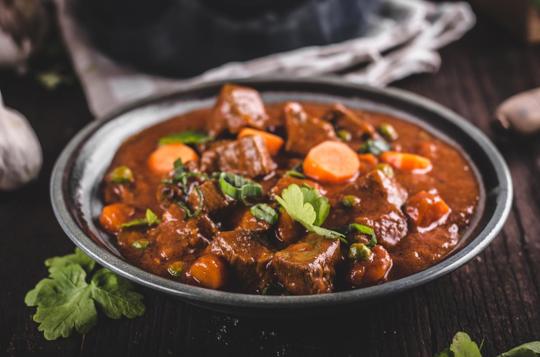
Braising and stewing have a few commonalities.
Both involve cooking meat slowly in liquid to make tender, flavorful meals.
Moist heat is needed to break down tough cuts of meat.
This slow-cooking allows the flavors to blend and create tasty sauces or broths.
Aromatic ingredients like onions, garlic, and herbs can also be used to improve the dish's flavor.
Due to their similarities, braising and stewing are great for creating hearty, yummy meals.
When to Use Braising or Stewing?
Braising and stewing are both slow-cooking methods.
Braising is great for tougher cuts of meat. It tenderizes them.
Stewing is better for ingredients that need to be submerged in liquid - like veg or small pieces of meat.
When deciding, consider the texture and size of the ingredients.
Braising works for big pieces of meat, like pot roasts or short ribs.
Low heat and moisture helps break down tough connective tissues.
The end result is tender, flavorful meat.
But stewing is better for dishes where all the ingredients need to meld together.
Stews can be veg or beef with bite-sized chunks.
Simmering over low heat allows every component to infuse with flavor.
One thing that's unique about braising is that you often sear the meat prior to adding it to the cooking liquid.
This step adds complexity to the flavor.
Stewing doesn't require searing - just long cooking times to develop flavor.
Popular Braising and Stewing Recipes
Braising and stewing - two yummy cooking methods.
They both involve slow-cooking in liquid, but with one key difference.
Then add a small amount of liquid to cook slowly.
Great for tougher cuts like beef brisket and pork shoulder - the slow-cooking breaks down the tough fibers for tenderness.
The liquid can be broth, wine or even water - and it adds flavor too.
Stewing is different - cut ingredients into small pieces and cook them fully submerged in lots of liquid.
Usually for hearty soups or stews.
Longer cooking time lets the flavors meld together and intensify.
So, the main difference? Liquid.
Braising uses just enough to partially cover the meat, while stewing submerges all ingredients.
Also, braised dishes often have thicker sauce due to less liquid.
Now for the fun part: try recipes like Coq au Vin (braised chicken in red wine) or Beef Stew (slow-cooked with veggies).
Key Differences Between Braising and Stewing
After closely examining the comparison between braising and stewing, it's clear why these two methods of cooking can easily be confused.
Both involve submerging food in liquid and slow cooking it for several hours to maximize flavor and tenderness.
The main difference seems to come down to liquid content; whereas stews are made using more liquid, creating a soup-like consistency, braises require very little liquid, resulting in an end product that's not soupy but still moist.
No matter which way you choose to cook your meal, each method has the potential to transform your ingredients into something truly deliciously unique.
Next time you're deciding between braising and stewing, just ask yourself: do I want a soup or something with thicker sauce? From there, the answer should be simple.
Frequently Asked Questions
The main difference between braising and stewing is in the cooking method. They share some similarities but each has qualities that make it better suited for certain recipes.
Braising excels at bringing out depth and richness. Stewing is better for preserving delicate qualities.
Pick based on what the final dish needs.
Cold preparations like salads and dressings often favor the option with a sharper, more defined flavor. Heat can mellow both, so the distinction matters more in uncooked dishes.
Do professional cooks prefer one over the other?
Professional preference depends heavily on the dish and cuisine style.
Each has its context where it outperforms the other, so most experienced cooks keep both on hand.