
Summary of key points
The main difference between a Dutch oven and a pot is in their design and materials used. A Dutch oven typically has thicker walls, a tight-fitting lid, and can be made from various materials such as cast iron or enameled ceramic.
On the other hand, pots are often made of lighter materials such as stainless steel or aluminum.
In terms of cooking capabilities, Dutch ovens are often used for slow cooking and braising, while pots are more versatile and can be used for a variety of dishes such as boiling, sautéing, and frying.
When considering which option to use, it's important to take into account the type of dish being prepared and the desired cooking method. Dutch ovens may be better suited for heartier meals that require longer cooking times, while pots may be better for quicker and more delicate dishes.
Ever stood in the kitchen, staring at a Dutch oven and a pot, and wondered, "What on Earth is the difference?"
First off, size matters here, folks. The Dutch oven is like the heavyweight champ of the kitchen, ready to take on your stews and braises.
Pots? Think of them as the speedy lightweight, perfect for pasta and boiling water.
Our kitchens have seen it all. From burnt soups to undercooked roasts, the choice of cookware plays a massive role.
Remember last Thanksgiving? Us, struggling to fit the turkey into a pot?
Classic us.
In this piece, we dig deep. Not just into the cupboards, but into what really sets these kitchen warriors apart.
What is a Dutch Oven?

A Dutch oven is the perfect cooking pot for all your needs.
Sturdy, thick walls and a tight-fitting lid are made from cast iron or enameled cast iron.
This grants excellent heat retention and distribution.
You can use it to slow-cook, braise, bake, and even fry.
Its design ensures heat is spread evenly throughout the cooking process.
Plus, the Dutch oven's lid locks in moisture.
This makes it ideal for long cooking times or low-temperature simmering.
It also helps keep the natural flavors of the ingredients.
The versatility of a Dutch oven is amazing.
Both stovetop and oven cooking are possible, so you can start a dish on the stove and finish it in the oven.
And there are plenty of sizes and shapes to choose from. Round or oval; it's up to you.
In short, the Dutch oven is a must-have for any home cook or professional chef.
Its durability, heat retention, moisture-locking lid, and versatility make it invaluable.
Get ready to enjoy tender meals, crunchy breads, and so much more, with the help of the Dutch oven.
What is a Pot?

Pots are essential kitchen tools with endless versatility.
They come in various sizes and materials, ranging from small saucepans to large stock pots.
Pots are usually made of metal or ceramic and have deep, round sides with a lid.
Their wide base allows for even heat distribution, making them ideal for boiling, simmering, stewing, and making soups or sauces.
They also prevent splattering when stirring or sautéing ingredients.
Plus, they're perfect for slow cooking and braising.
What sets pots apart is their ability to handle various stovetops, like gas, electric, or induction, as well as ovens.
Most pots come with ergonomic handles for easy lifting when full of hot food or liquid.
Materials include stainless steel, cast iron, non-stick aluminum, and copper.
Each has unique benefits in terms of durability, heat conductivity, and ease of cleaning.
Modern pots may even feature non-stick coatings or reinforced bases for improved performance.
Differences Between Dutch Oven and Pot
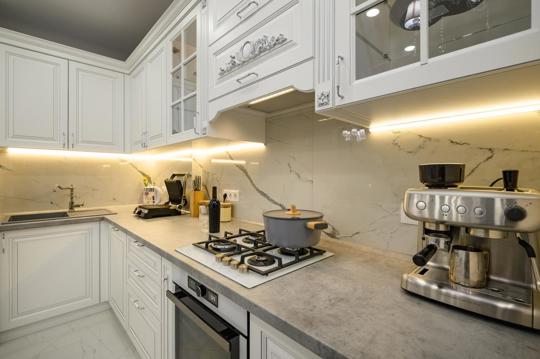
A Dutch oven and a pot may look alike, but they are different.
Material and Construction
Material and construction are super important for Dutch ovens and pots.
What the item is made of affects the heat retention, durability, and cooking capabilities.
Cast iron is often used for Dutch ovens.
It has awesome heat distribution and retention abilities.
Its heavy-duty construction helps with even heating, so cooking results are consistent.
Cast iron can also take high temps without warping or cracking, so it's good for stovetops, ovens, or open fires.
Pots are usually crafted from stainless steel or aluminum.
Stainless steel is corrosion-resistant and easy to maintain.
It also retains heat relatively well.
Aluminum pots are lightweight and have good heat conductivity, but they may not be as durable as stainless steel.
Some Dutch ovens also have an enameled coating inside and out.
This enamel layer provides non-stick properties and easy cleaning.
But you should handle it with care to avoid chipping or scratching.
To sum it up, Dutch ovens and pots are useful cooking vessels.
The material has a big impact on performance.
Cast iron Dutch ovens are great at heat distribution and retention.
Stainless steel and aluminum pots offer corrosion resistance or lightweight design.
It's important to understand materials and construction to choose the right cookware for your needs.
Design and Features
Dutch ovens and pots are different from each other.
Both are used for cooking, but have different features.
Dutch ovens are made of thick cast iron with an enamel coating.
This lets them retain heat for longer, and the lid helps keep food moist.
Pots are usually made of stainless steel or aluminum.
They have glass or metal lids and are lighter than Dutch ovens.
Dutch ovens have a wider base and are perfect for slow-cooking dishes.
Pots have straighter sides and are good for boiling liquids and quick meals.
Dutch ovens can be used on stovetop, oven, or fire, while pots come in various sizes.
The choice depends on one's cooking needs and preferences.
Heat Distribution and Retention
Heat retention and distribution are essential when choosing between a Dutch oven and a regular pot.
They have different characteristics which affect heat spread.
A Dutch oven provides great heat spread and retention.
Its thick walls and lid keep the heat inside, so food is cooked evenly from all angles.
This leads to tasty dishes as the heat surrounds the ingredients, giving flavor and tenderness.
A regular pot may not have the same heat retention.
Its thin design does not maintain the heat as well, leading to unevenly cooked food.
Parts may be overdone while others remain uncooked.
The materials used in cooking vessels also affect heat distribution.
Dutch ovens are usually made of cast iron, which absorbs and spreads heat consistently.
But regular pots are typically made of stainless steel and aluminum, which don't evenly distribute heat.
To sum up, Dutch ovens are better when it comes to heat retention and distribution.
Their design and cast iron material ensure your dishes are cooked through and you get delicious meals every time.
Versatility and Cooking Methods
Versatility is key when comparing Dutch ovens and pots.
Both can be used for a range of cooking methods, making them essential kitchen tools.
From slow cooking to braising and baking, these vessels are designed to deliver great results.
The thick walls of Dutch ovens provide even heat distribution, so food cooks evenly and stays moist.
This makes them ideal for simmering soups, stews and chili.
Pots have their own advantages. They are light and easy to move.
They are great for boiling pasta, making sauces or heating leftovers.
Dutch ovens can go from stovetop to oven.
So you can sear on the stove, then finish off in the oven.
The construction of Dutch ovens means they can withstand higher temperatures.
Pots may not be as heat-resistant, but are still suitable for most stovetop cooking.
You can get them in different sizes and materials, so there is something to suit all recipes and preferences.
In short, both Dutch ovens and pots have their advantages.
Knowing the differences will help you pick the right tool for your cooking.
Similarities Between Dutch Oven and Pot

Dutch ovens and pots have similarities.
Both are cooking vessels that can be used for a variety of dishes.
Usually made from materials like cast iron or stainless steel, they come with lids to trap heat and moisture.
This makes them great for slow cooking.
Also, they can be used on different stovetops, such as gas, electric, and induction.
However, Dutch ovens have some special features.
Unlike regular pot lids, Dutch oven lids have tight seals that keep in flavor and moisture.
This helps long, slow-cooking methods like braising and roasting.
Plus, Dutch ovens have thick walls and heavy bottoms for even heat distribution.
To sum up, Dutch ovens and regular pots are similar in many ways.
But the Dutch ovens have extra features that make them great for slow-cooking and baking.
So, whether you are an experienced chef or an aspiring home cook, these kitchen tools can help you create delicious meals.
Common Uses of Dutch Oven and Pot
A Dutch oven and a pot look the same, but they each have a different purpose.
A Dutch oven is great for slow cooking, braising, and baking.
A pot is best for boiling and simmering.
The Dutch oven shines for slow cooking.
It keeps heat well and distributes it evenly.
This makes it perfect for stews, soups, and pot roasts.
The tight lid holds moisture and flavors inside, so the finished dish is tender and tasty.
You can also use a Dutch oven for baking bread and desserts.
Pots are perfect for boiling and simmering.
They are bigger and wider, so you can fit more into them.
Pots are great for preparing stocks, sauces, and boiling veggies or pasta.
They come in all sorts of sizes to suit different cooking needs.
The Dutch oven and pot both help you make delicious meals.
From slow-cooked comforts to quick boiling tasks, these versatile cooking vessels are essential for any kitchen.
Benefits of Using a Dutch Oven vs Pot
As you can see, there are numerous distinctions between Dutch ovens and regular pots that can make either one a more suitable choice depending on the environment and desired taste.
This can also aid in your determining which type to use for specific recipes or even simply transitioning from one cooking tool to the other.
Ultimately, it is clear that despite their vast similarities both Dutch ovens and traditional pots bring unique qualities to the table, providing a flexibility for cooks that really can't be found in any other type of kitchenware.
With this information in mind, you can confidently choose which best fits your culinary needs accordingly.
Frequently Asked Questions
The main difference between a Dutch oven and a pot is in their design and materials used. They share some similarities but each has qualities that make it better suited for certain recipes.
Beginners often find Dutch Oven more forgiving. Pot requires a bit more attention but rewards you with distinctive results once you get the hang of it.
Shelf life differs based on processing and packaging. One often keeps longer unopened, while the other may need refrigeration or faster use after opening.
One tends to perform more consistently across a range of cooking methods, making it the safer choice when experimenting. The other delivers stronger results in specific applications.