
Summary of key points
The main difference between casserole and lasagna is in their layering. Casserole typically consists of layers of ingredients, such as meat, vegetables, and starches, topped with a sauce or cheese.
On the other hand, lasagna is made by layering flat sheets of pasta with fillings like meat, cheese, and vegetables.
In terms of cooking methods, casserole is usually baked in an oven, while lasagna can also be made on the stovetop. Both dishes are versatile and can be customized with different ingredients to suit personal taste.
While casseroles often have a homestyle feel, lasagna is considered more of a classic Italian dish. However, both are crowd-pleasers and great for feeding a large group.
Casseroles and lasagnas share our tables during the holidays and Sunday dinners. T4Each holds a special place in our hearts
. What sets them apart?
It's in the layers and ingredients.
Our family debates this heatedly every Thanksgiving. Casseroles are the cozy blanket of foods; they're mixed together.
Lasagna, however, is the structured cousin. It demands precision.
Layering is serious business here. Cheese, sauce, repeat.
Lasagnas ask for more attention and skill. Casseroles?
Toss it in and hope for the best.
We've all been there, right?
We've burned edges and undercooked middles. Yet, we still proudly serve our dishes.
It's about the love mixed in. That's the secret ingredient.
What is a Casserole?
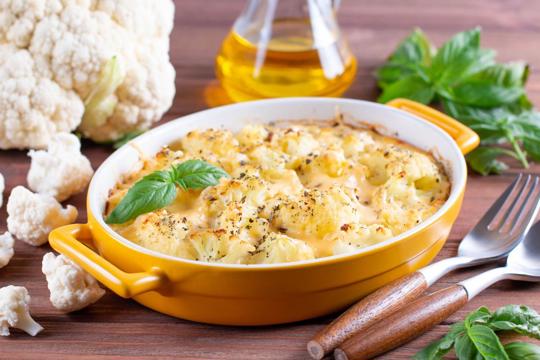
Casseroles - what a flexible dish.
Combining various ingredients in layers, then baking them together to create a flavorful and comforting meal.
It usually has a protein, like chicken, beef, or seafood, mixed with veggies, grains, and a sauce or broth.
The flavors mix together while baking, creating a yummy dish.
Unlike other recipes with specific rules or instructions, casseroles are creative and customizable.
Plus, they can be made ahead of time and reheated - very convenient.
Get creative with your casserole.
Choose your favorite proteins and vegetables like carrots, peas, or bell peppers.
Add some substance and texture with pasta, rice, potatoes, or tortillas.
Don't forget the seasonings and spices.
Basil, oregano, cumin, chili powder - the options are endless.
Casseroles are also great for special diets.
Trying a vegetarian version? Use plant-based proteins like tofu or lentils.
Have gluten sensitivities? No worries - use gluten-free grains like quinoa or cornmeal.
There's always a way to modify a casserole recipe.
What is Lasagna?
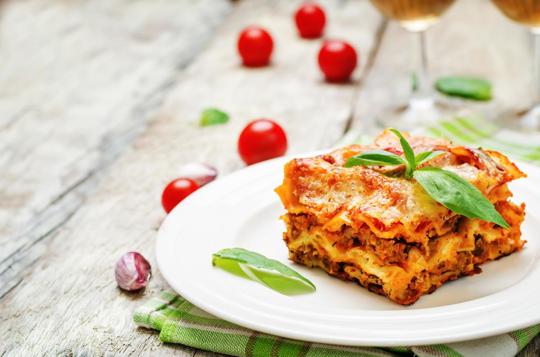
Lasagna is a great dish that has layers of decadent pasta, strong tomato sauce, rich meat, creamy cheese, and aromatic herbs.
This traditional Italian dish is well-known for its excellent taste and its visually striking presentation.
What makes lasagna so unique is how versatile it is.
It can be a scrumptious vegetarian delight by simply substituting the meat with a mix of vegetables and marinara sauce.
It can also be an indulgent meat lover's dream by incorporating layers of ground beef, pork, or even sausage.
Lasagna is truly a one-of-a-kind dish that can captivate and satisfy any palate.
Trust me when I say, once you have tasted a perfectly cooked lasagna, you will be forever changed.
Key Differences Between Casserole and Lasagna
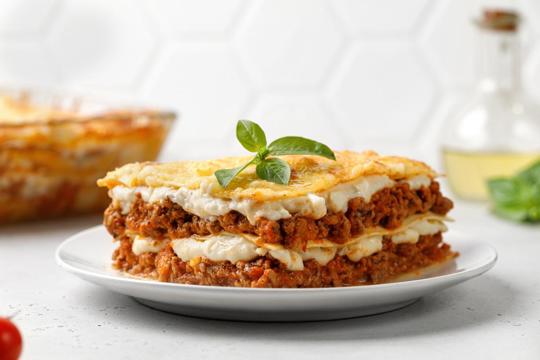
Casserole and lasagna - two delicious dishes that have us pondering their differences.
Both are baked goodies, there are factors that make them distinct.
Ingredients and Layering
Casseroles and lasagnas are both made with layers.
But, the ingredients and layering techniques are different, giving them their own special flavors and textures.
Casseroles usually start with a base like cooked pasta or rice.
Then, proteins like chicken or beef are added, along with vegetables like broccoli or peas.
A sauce like creamy mushroom or cheesy béchamel is added on top.
To finish, cheese or breadcrumbs are sprinkled on top.
Lasagnas have pasta sheets that alternate with fillings - like a traditional meat ragù or vegetarian options like spinach and ricotta.
Tomato sauce is spread between each layer for flavor.
And, melted cheese is the final layer for a golden crust.
Casseroles have more freedom in ingredient selection.
Lasagnas follow a more specific traditional recipe for flavors that go together.
It's up to you which one you prefer.
Construction and Assembly
Casseroles and lasagnas have differences that set them apart.
Casseroles typically have layers of ingredients combined into one dish.
This is then baked, allowing for creativity in ingredients and their order.
Lasagnas, however, are more precise.
Cooked lasagna noodles layer the dish, giving texture and stability.
Each layer has to be carefully assembled with the right ingredients for even flavor.
Both need construction and assembly, but with variations that make them unique.
Baking and Presentation
Baking and presentation are key for a yummy cooking experience.
Casseroles and lasagnas need different baking methods.
Casseroles are usually cooked uncovered.
This helps the flavours blend and makes a crispy top.
Lasagnas are covered with foil, so the layers cook evenly and stay moist.
The foil is removed for the last few minutes to melt the cheese and make a golden crust.
Casseroles look rustic and comforting.
They're served straight from the baking dish or on a platter.
Lasagnas have a more elegant layered structure, which looks impressive when sliced.
To add the finishing touches, garnishes like herbs, grated cheese or sauce can be used.
They give colour and extra flavour.
To sum up: baking methods and presentation styles differ between casseroles and lasagnas.
Casseroles are baked uncovered and served in a rustic way.
Lasagnas are covered for baking and presented elegantly.
Both offer great options for a delicious meal.
flavors: Casserole vs Lasagna
Casseroles and lasagnas: two dishes with unique flavors.
Casseroles offer a melding of flavors and textures, while lasagnas are known for their classic combo of pasta, sauce, cheese, and meat.
Casseroles are versatile.
You can customize them by adding veggies, grains, cheeses, and meats.
This gives you a variety of flavors - from savory to sweet and spicy.
Lasagnas, however, have a more traditional flavor.
Tomato sauce layered with pasta sheets, ricotta cheese, meat (or veggies), and mozzarella create a comforting taste.
Plus, the flavors develop in the oven.
In the end, it's up to you and the occasion.
Both casseroles and lasagnas will please your palate with their distinct flavors.
Cultural Origins and Regional Variations
Casserole and lasagna - two popular dishes, each with its own cultural roots and regional variations.
For centuries, these treats have been delighting people around the world.
Casseroles began in France.
This dish was made by combining ingredients like meat, veggies, and starches, then baking it.
As time went on, other cultures added their own twists, leading to a wide variety of regional variations.
Lasagna is an Italian comfort food.
It's made up of layers of pasta with fillings like meat sauce, cheese, and veggies.
Each region of Italy has its own take on lasagna, such as ragu Bolognese in the north, or pesto sauce in Liguria.
The composition and cooking techniques of casseroles and lasagnas are also different.
Casseroles usually contain larger chunks of meat or vegetables mixed with binding agents such as cheese or cream soup.
They are usually baked uncovered or with a light topping.
Lasagnas have distinct layers, with the pasta cooked separately before being filled with various ingredients.
The layers keep each element distinct, while harmonizing flavors when baked.
Lasagnas often have rich sauces like marinara or béchamel between the layers, to improve the flavor.
Casseroles offer plenty of room for experimentation, with endless possibilities for flavor combinations.
Lasagnas, on the other hand, stick to classic recipes, with variations primarily in the fillings rather than the cooking method.
Nutritional Comparison
Casserole and lasagna - both tempting comfort foods.
But which one is more nutritious?
Calories? Lasagna tends to have more, due to layers of pasta, cheese, and rich sauces.
Whereas casseroles usually mix meat, veggies, and starches for a balanced profile.
Protein? Lasagna has more, thanks to meat or cheese fillings.
Casseroles might feature chicken or beans.
Fat? Lasagna includes more saturated fats from cheese and meat.
Casseroles use lighter options like lean meats or low-fat dairy.
Nutritional value? Veggies in a casserole boost fiber and vitamin content.
Lasagnas have fewer veggies.
Similarities Between Casserole and Lasagna
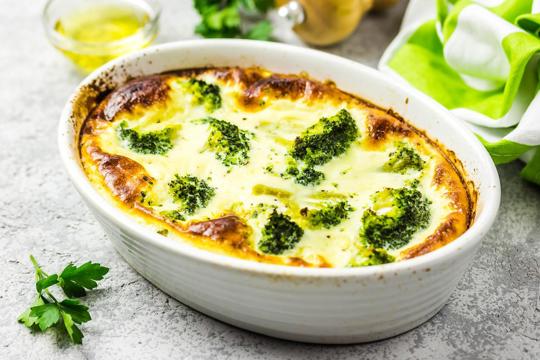
Casseroles & lasagnas share a few similarities.
They often include layers of meat, veggies, cheese & sauce.
This blending creates a flavorful dish.
Plus, they're both usually baked in the oven until golden brown & bubbling.
This ensures ingredients are cooked & melded.
The oven heat adds an extra layer of taste.
Also, these dishes are versatile.
Traditional recipes call for ground meat, mushrooms, onions, tomatoes & cheeses.
But you can customize them to fit your preferences or dietary needs.
Plus, starches like pasta or rice create a filling base.
This adds substance & comfort.
It also provides satiety & goes with the other flavors.
Lastly, these dishes are perfect for large groups.
Batch cooking them can save time. Perfect for gatherings or big families.
When to Use Casserole vs Lasagna
The difference between the two is not only what type of ingredients and styles of baking that are used, but also in the amount of time needed and techniques that go into each dish.
Many people might just think they're both pasta dishes with a lot of cheese and sauce on top, but there is much more to the story than that.
Lasagnas tend to be more labor-intensive because of their three layers, while casseroles can often be thrown together with fewer steps involved.
However, both types of dishes can yield remarkable results with proper timing and preparation.
With some practice and experimentation in the kitchen, you could become an expert on making delicious casseroles or professional-grade lasagnas yourself.
So why not give them a try?
Frequently Asked Questions
The main difference between casserole and lasagna is in their layering. They share some similarities but each has qualities that make it better suited for certain recipes.
It depends on the dish. Casserole and Lasagna share some overlap, but each shines in different preparations.
Swapping works best in forgiving recipes like soups or stews.
Pricing varies by brand and region, but one is typically more accessible at everyday price points. The other may cost more due to specialization or limited supply.
Is there a best time to use each one?
One shines in applications requiring subtlety and background support.
The other is better when it is meant to be a center.
Matching the right one to its role makes a noticeable difference.