
Gochujang is a thick, sweet and savory Korean paste of fermented soybeans, while chili garlic sauce is sharp, garlicky and unfermented.
- Add a spoonful of miso and a little sugar to chili garlic sauce for gochujang.
- Add minced garlic and a splash of vinegar to gochujang for chili garlic sauce.
- Many gochujang brands contain wheat or barley, so check the label for gluten.
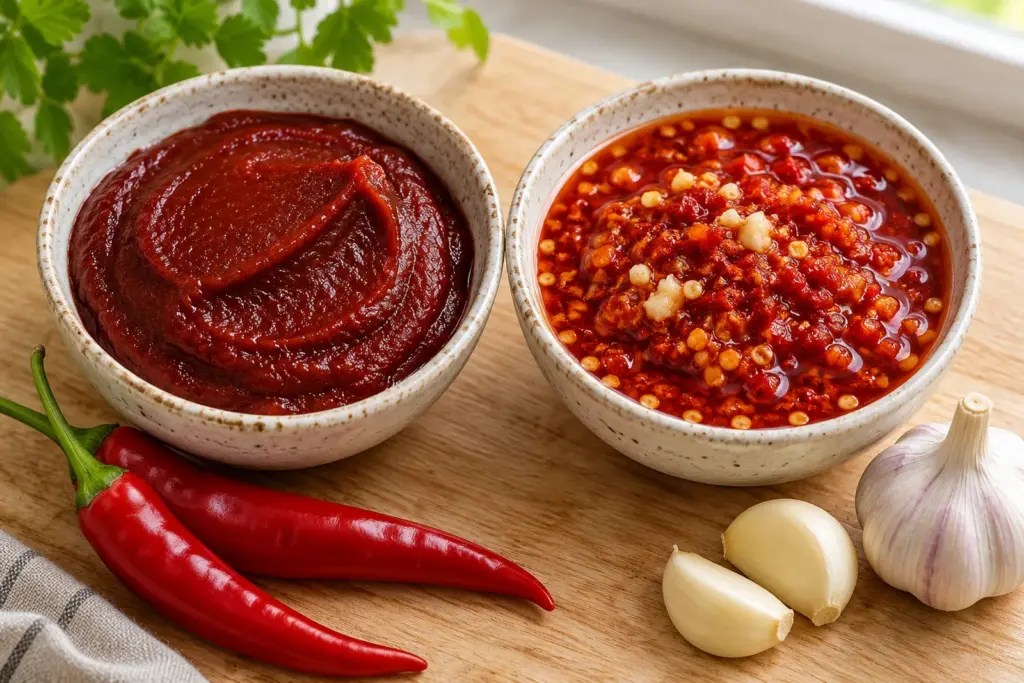
Both jars are red, spicy and good with noodles, which is why people grab the wrong one. This pairing is one of our side-by-side ingredient comparisons, and the short version is that one jar holds a fermented, sweetened paste and the other holds a chili-and-vinegar sauce, so they behave differently in a pan.
1. What Is the Difference Between Gochujang and Chili Garlic Sauce?
Gochujang is built from chili powder, glutinous rice, fermented soybean powder and salt, and the mixture ferments before it reaches the jar. The Huy Fong chili garlic sauce sold in most US stores lists chili, salt, garlic and acetic acid (the acid in vinegar), plus two preservatives and xanthan gum, so you taste fresh chili and garlic with nothing fermented behind them.
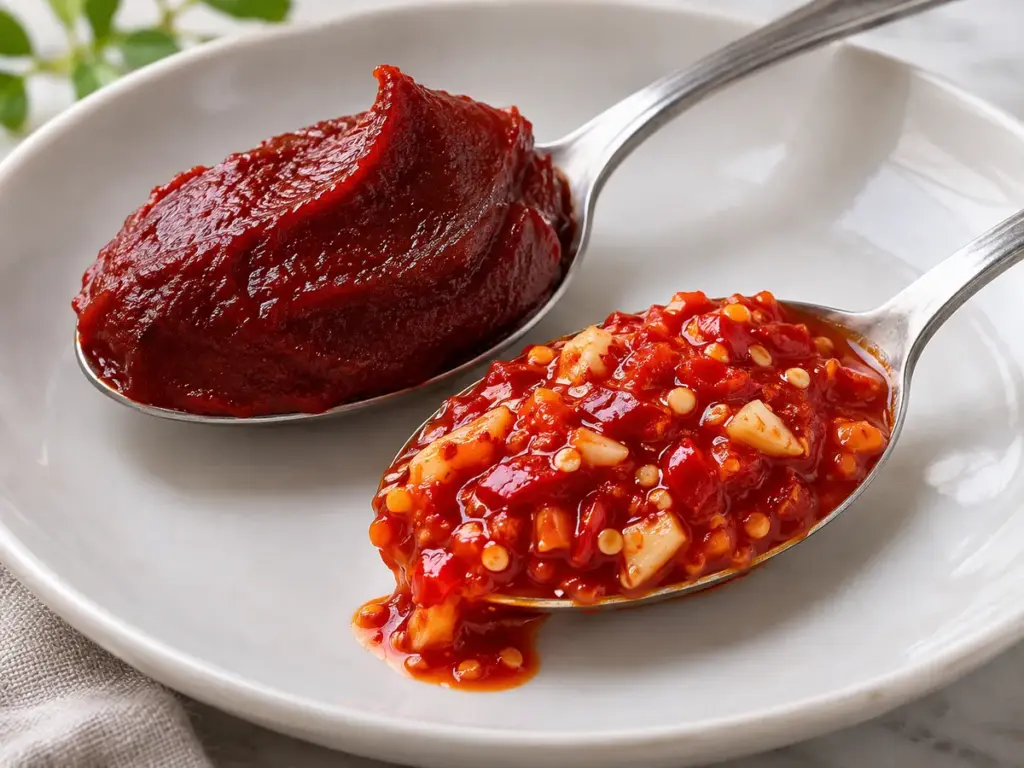
| Trait | Gochujang | Chili garlic sauce |
|---|---|---|
| Style | Fermented Korean chili paste | Unfermented chili sauce with vinegar |
| Main ingredients | Chili powder, glutinous rice, fermented soybean, salt, often barley malt | Chili, garlic, vinegar, salt |
| Texture | Thick, smooth, sticky | Looser and coarse, with seeds and garlic bits |
- Tastes sweet, salty and savory, with slow heat.
- Often contains wheat or barley, so check the label.
- Refrigerate after opening, per most labels.
- Best in stews, bibimbap, marinades and glazes.
- Tastes sharp, garlicky and tangy, with direct heat.
- The Huy Fong label lists no grain.
- Keep in a cool place after opening, fridge optional.
- Best in stir-fries, noodles, dumplings and dips.
The table boils down to sweet and savory against sharp and garlicky, and to a paste you stir in against a sauce you spoon on at the end.
2. How Are Gochujang and Chili Garlic Sauce Made?
Wikipedia gives a typical modern gochujang formula of about 25% red pepper powder, 22% glutinous rice and 5.5% meju powder, with 12.8% salt, 5% malt and 29% water. Meju is a fermented block of cooked soybeans and rice, and the enzymes in it turn the starch of the cooked rice into sugar, which is why the paste tastes sweet even when no sugar is added.
The chili is gochugaru, the Korean dried chili powder, and some recipes also add a little sugar, syrup or honey.
Chili garlic sauce skips the fermenting step. PepperScale describes it as chopped ripe red chilies, often jalapeños, plus garlic, and the vinegar and salt in the jar keep it from spoiling without any fermentation. That is also why it tastes fresher and flatter than gochujang.
3. Which One Is Hotter and How Do They Taste?
Neither jar carries a standard Scoville number, and the published figures for gochujang disagree with each other, so we won't quote one. Compare them by what is in the jar instead: chili garlic sauce is mostly chili with vinegar, so the heat arrives all at once, while gochujang spreads its heat across rice sweetness and fermented depth.
- Sweetness first, from the cooked rice starch
- Fermented soybeans add a deep savory umami
- Heat that builds slowly and lingers
- Tang from the vinegar on the first bite
- Raw garlic and fresh chili flavor
- Direct heat with no sweetness to soften it
Makers also sell gochujang at different strengths, and Chung Jung One lists a mild version, so check the label before you swap a tub into a recipe written for a hot one. Taste a quarter teaspoon of whatever jar you own first, because the jar in your fridge sets the real heat of your dish.
4. How Do You Cook with Each One?
Where Gochujang Works Best
Gochujang is the sauce base in dishes such as bibimbap and tteokbokki, where it needs to melt into liquid or coat food. Because its sweetness comes from rice starch turned to sugar, it browns quickly over high heat, so thin it first and cook it gently.
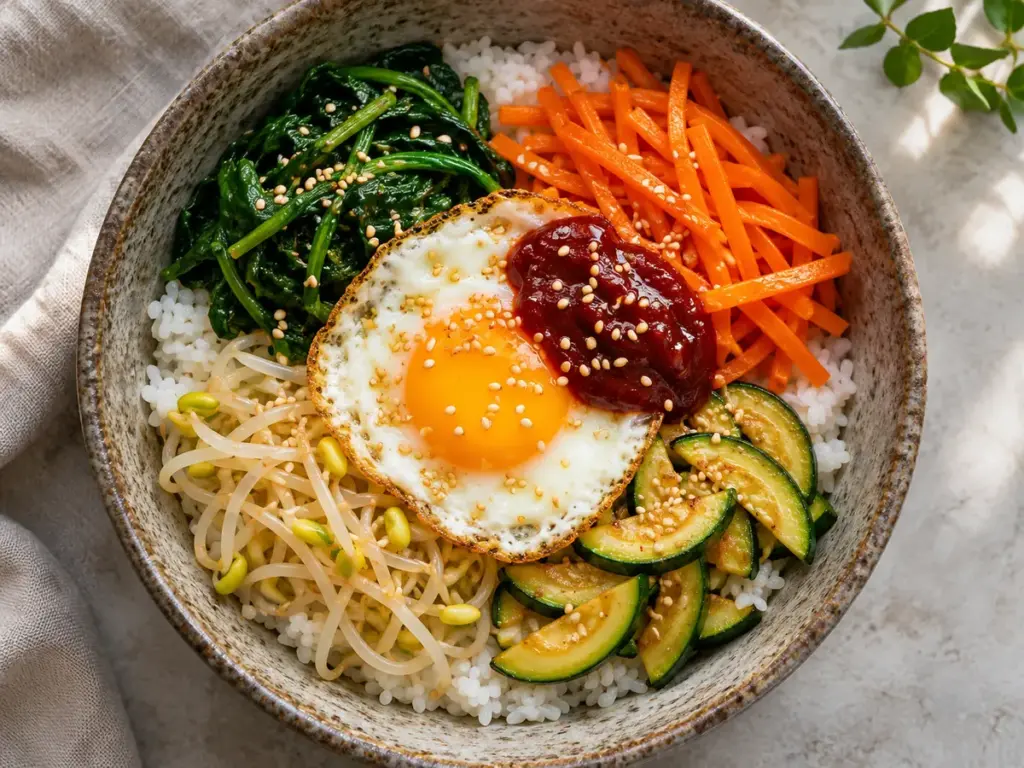
- Stews and soups: stir a spoonful into hot broth so it dissolves and thickens the pot.
- Marinades and glazes: loosen it with soy sauce, sesame oil or water, and grill over medium heat so the sugars do not scorch.
- Rice bowls: spoon it on raw at the table and mix it in.
Where Chili Garlic Sauce Works Best
Chili garlic sauce does its best work in the last minute of cooking, when you toss it through stir-fried noodles, fried rice or dumplings. A teaspoon stirred into soy sauce makes a quick dumpling dip, and the same jar works as an egg roll dip once you sweeten it.
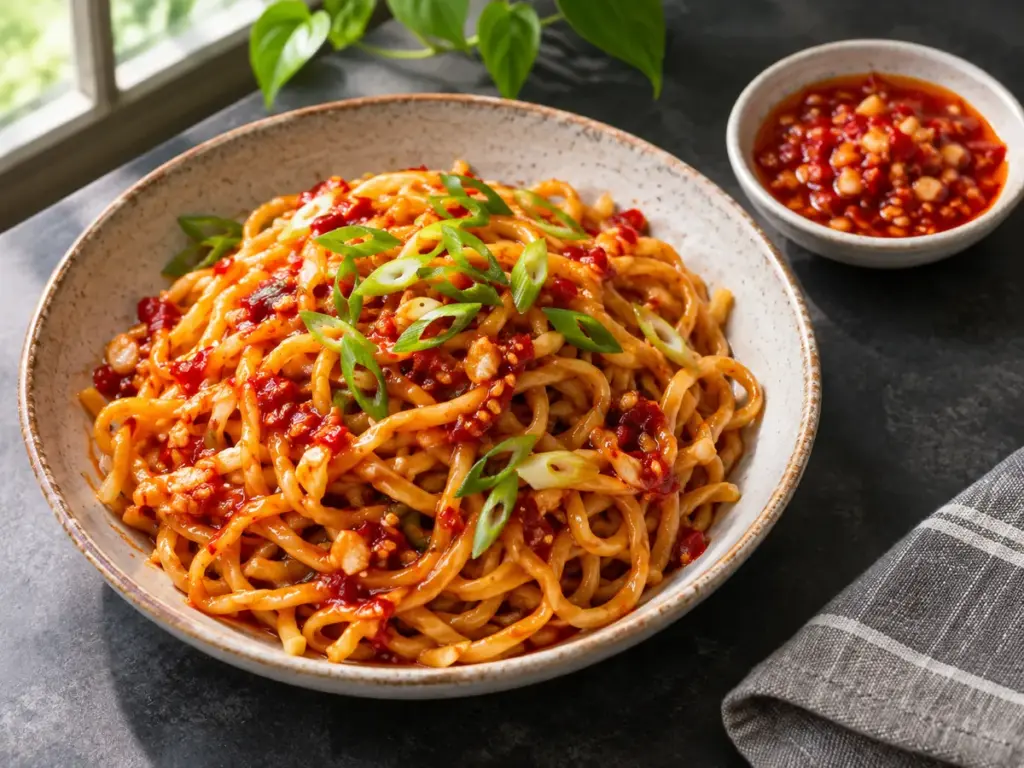
The vinegar in the jar adds tang that cooks off slowly, so long simmering dulls the sharpness you bought it for. Add it late for a bright finish, and early only when you want a milder, mellower garlic flavor.
5. Can You Use Chili Garlic Sauce Instead of Gochujang?
Yes, once you add what the jar lacks: fermented savoriness and a little sweetness. Chili garlic sauce alone gives heat, garlic and vinegar, so a gochujang recipe made with it tastes thin and sharp.
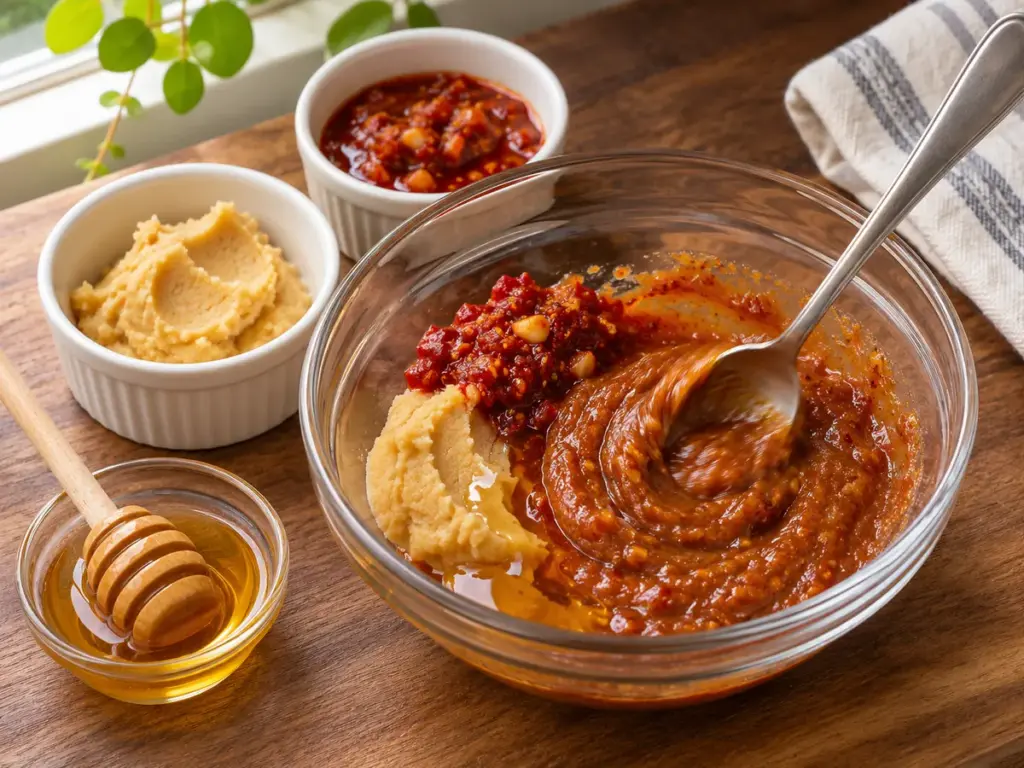
The ratios below are starting points built from recipe sites (Tasting Korean Food and Northern Nester), not published conversions. This mix replaces 1 tablespoon of gochujang:
- Start with miso. Stir in 2 teaspoons of white miso for the fermented savory base, and skip dark miso, which tastes stronger.
- Add the heat. Mix in 1 teaspoon of chili garlic sauce, which is hotter than the same amount of gochujang.
- Balance the salt. Stir in 1 teaspoon of honey or sugar, because miso is saltier than gochujang.
- Taste and adjust. Thin it with a teaspoon of water if the recipe needs a looser sauce, and add chili garlic sauce in half-teaspoon steps for more heat.
For a faster version, 1 tablespoon of chili garlic sauce plus 1 teaspoon of miso or soy sauce replaces 1 tablespoon of gochujang, and you add sugar only if the dish tastes harsh. Skip any extra garlic or vinegar the recipe lists, since the jar already supplies both. If gluten matters, check the miso label too, because some miso uses barley.
Other gochujang replacements exist, but chili garlic sauce with miso is the one most kitchens can mix from jars already in the fridge.
6. Can You Use Gochujang Instead of Chili Garlic Sauce?
Gochujang gives you red color and body but no garlic punch and no vinegar tang, so you add both. For each tablespoon of chili garlic sauce, stir together 1 tablespoon of gochujang, ½ teaspoon of finely minced garlic and 1 teaspoon of rice vinegar. No source publishes this conversion; we built it from what each jar contains, so taste and adjust.
The result is sweeter, darker and milder, which suits noodles and glazes better than a cold dip. When a recipe needs real fire, add a pinch of red pepper flakes. Sambal oelek, a crushed chili paste with vinegar and salt, sits closer to chili garlic sauce than gochujang does, so sambal oelek swaps in spoon for spoon once you add garlic, and the chili garlic sauce replacements cover other jars you may own.
7. Which One Should You Buy?
Buy by the dish you cook most often, because each jar wins in a different place:
- Bibimbap, tteokbokki, stews and Korean marinades: gochujang, because the sweetness and body carry the dish.
- Noodles, fried rice, dumplings and eggs: chili garlic sauce, because the garlic and heat stay bright.
- A last-minute dip or a spoonful on a finished plate: chili garlic sauce.
- A slow braise that needs body: gochujang.
- Gluten-free cooking: chili garlic sauce, whose Huy Fong label lists no grain, or a gochujang tub marked gluten-free.
At the store, look for a heat level on the gochujang tub and read its ingredient list for wheat or barley. For chili garlic sauce, a short list of chili, garlic, vinegar and salt is what you want.
Tubs of gochujang are large, such as Chung Jung One's 17.6-ounce size, while Huy Fong chili garlic sauce comes in an 8-ounce jar, so a cook who makes Korean food once or twice a year can buy the small jar and mix the miso version above.
8. How Should You Store Gochujang and Chili Garlic Sauce?
Sempio and Chung Jung One listings tell you to refrigerate gochujang after opening, and The Takeout says an opened tub usually stays good for about a year. If your tub comes with an oxygen-absorbing sachet, leave it in place, and press cling film onto the paste surface, as Haechandle's listing suggests, to keep air off it.
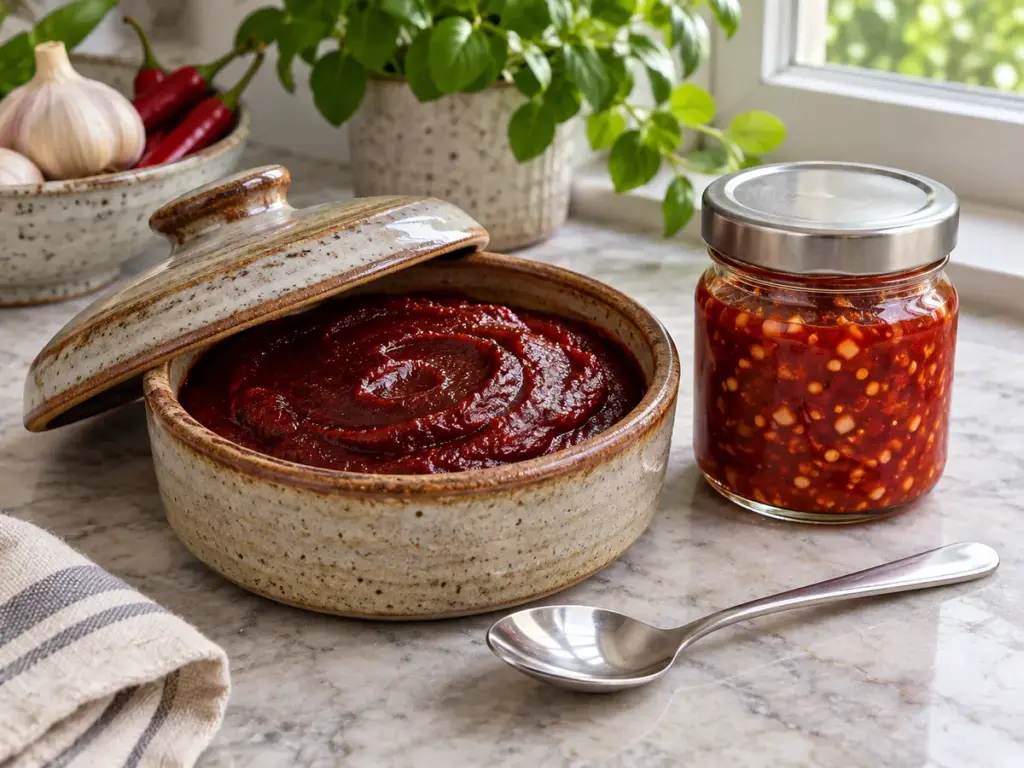
Huy Fong says its chili garlic sauce does not need refrigeration and keeps best in a cool place, according to PepperScale, and its vinegar and salt do the preserving. Some retailers still advise the fridge after opening to hold the color and flavor, so follow the storage line on your own jar.
Sources
- Wikipedia: Gochujang (ingredients, typical formula, sweetness from rice starch, wheat and barley)
- Target: Huy Fong Chili Garlic Sauce 8oz (ingredient list)
- PepperScale: Does Chili Garlic Sauce Need To Be Refrigerated? (Huy Fong storage, ripe red chilies)
- Tasting Korean Food: best gochujang substitutes (miso, gochugaru and honey starting point, wheat note)
- Northern Nester: gochujang substitutes (chili garlic sauce with miso or soy sauce)
- The Takeout: how long opened gochujang lasts (refrigeration, about a year, sachet)
- Retail product listings for Sempio, Chung Jung One and Haechandle gochujang (storage and wheat or gluten labeling; check the jar in your hand)

Food writer at GustoMeadow. Writes ingredient substitutes, food comparisons, taste guides and storage guides for home cooks.
Storage and food-safety numbers follow USDA, FDA and university extension guidance.



