
Cemita and Torta. Two giants in the sandwich game.
T4One's from Puebla, the other roams all over Mexico.T5
What sets them apart? Besides geography, it's all in the bread and fillings.
We've had our fair share of both. Mistaken one for the other? Yep, been there.
Now, we're here to settle this tasty confusion once and for all. You'll thank us later.
Get the details on these epic eats.
What is a Cemita?

Cemita, a traditional Mexican sandwich, is a treat that not everyone knows about.
- Cemitas are made with sesame-seed bread buns known as "Cemita de sesamo," which are unique to the dish.
- The filling is usually meat-based, such as chicken or beef milanese, crispy pork, or carnitas.
- The usage of fresco cheese and avocado is what makes the cemita stand out from other sandwiches.
- It's an integral part of Puebla's cuisine and originally hails from there.
One thing that sets Cemita apart from Tortas is its bread.
The sesame-seed bun doesn't have any comparison with Torta bread.
In summary, Cemita de sesamo bread's subtle flavor mixed with the fillings' strong spices will make anyone who tastes it fall in love.
For insight on balancing bold fillings with brighter notes, see lemon pairing ideas for desserts as an example of harmonizing strong and subtle flavors.
What is a Torta?

A Torta is a sandwich from Mexico, made with a white bread roll.
It's typically filled with different ingredients such as meat, vegetables, avocado, beans, and cheese.
The filling may vary depending on the region or preference.
The bread used is soft and slightly sweet, often enriched with egg and butter.
It's usually toasted before being assembled with the filling inside.
Tortas have been around since the 19th century and are a popular street food in Mexico.
They can be eaten as a meal or a snack and are often served with hot sauce or salsa on top.
There are many variations of Tortas across Mexico, some of which have gained worldwide popularity.
If enjoying tortas with avocado, try guacamole pairing ideas and combos for complementary snacks and sides.
Differences Between Cemita and Torta

Cemitas and Tortas have their own distinct flavors.
Cemita is a type of sandwich from Mexico, specifically from Puebla.
It typically contains ingredients like avocado, onion, cheese, chipotle pepper, and meat.
Torta, on the other hand, is a traditional Mexican sandwich that can be found in various regions of Mexico.
It usually consists of ingredients like refried beans, guacamole or avocado slices, lettuce, tomato, and mayonnaise with meat or eggs as the protein.
What sets Cemita apart from torta is its sesame seed-covered roll.
The bread used in making a Cemita is specially made and has a slightly sweet flavor compared to the standard torta bread.
Also, cemitas are typically shaped in the form of burgers rather than long sandwiches like tortas.
While both sandwiches share some similar ingredients such as avocado and meat, they also come in unique varieties depending on which region they are made in Mexico.
For example, Pueblo-style cemitas typically include sliced chicken breast or pork loin meet while tortas from Guadalajara are known for their use of jalapeño peppers.
Origin and Cultural Background
The historical and cultural background of cemitas and tortas is essential to understand the difference between these two Mexican sandwiches.
Cemitas originated in Puebla, Mexico, while Tortas are a prevalent dish that can be found across the country.
Cemitas are said to have been introduced during the colonial period, consisting of a bread roll with sesame seeds, meat or chicken, avocado slices, cheese, onions and papalo (a herb only found in Mexico).
On the other hand, Tortas were created after the independence of Mexico and feature bread rolls filled with meat or chicken, lettuce, tomato, onion and mayonnaise.
These dishes' unique characteristics make them different from each other.
While both include bread rolls at their core, cemitas use a specific type of bun that has a soft inside but crunchy exterior caused by its sesame seeds coating.
The addition of papalo sets this sandwich apart from any other Mexican food as this herb adds a unique flavour profile that can't be replaced.
Meanwhile, Tortas utilise crusty white Submarine-style bread that differs in size; they are often referred to as birotes salados (salted buns) since they have salt sprinkled all over them before baking.
Overall, it's important to understand their origins as well as their distinct features - from bun type to fillings - to appreciate Mexican cuisine fully.
Bread Used
The Varieties and Characteristics of Bread Used in Cemitas and Tortas.
Both cemitas and tortas are sandwiches that feature various fillings, but the bread used for each dish differentiates them.
Cemitas are made from a sesame seed-covered egg roll that is fluffy yet crispy, with a slightly sweet note.
Tortas, on the other hand, are often baked with telera or bolillo bread which is denser than what's used in cemitas.
Telera is similar to ciabatta bread, while bolillo is akin to French bread.
Cemitas tend to emphasize crispiness on the outside with softness on the inside.
This contrast works well with the juicy meats and crispy vegetables typical of cemita fillings such as avocado, chipotle peppers, oaxaca cheese and papalo (herb).
Torta's bread is softer overall.
It has a less pronounced crust that doesn't take away from fillings such as beans, cheese or guacamole.
Both sandwiches can be filled with meat varieties such as pollo (chicken), carne asada (grilled steak) or pierna (pork leg).
Also important to mention is how key herbs and vegetables influence each sandwich type's flavor differently: papalo leaves give cemita its pungent notes whereas avocado dominates flavors in torta sandwiches.
For a broader look at how different baking methods affect sandwich breads, consider bread maker vs oven comparison guide to see which technique yields similar textures.
Fillings and Ingredients
Popular in Mexican cuisine, Cemitas and Tortas differ significantly in their fillings and ingredients.
Cemita features toasted sesame seed-covered buns loaded with chicken, pork, or beef cutlets, oaxaca cheese, avocados, papalo herb and chipotle peppers.
On the other hand, Torta sandwiches are prepared using soft white bread packed with meatballs, ham, bacon or chorizo sliced tomatoes and jalapenos.
The bread for the torta is slathered with a mix of refried beans and mayonnaise before being stuffed with the desired ingredients.
Regional Variations
The regional variations of cemita and torta are significant, inspiring different preferences in different regions.
Cemita originated from Puebla, a city located in the central-eastern part of Mexico.
It is prepared with sesame-seed bread, which is stuffed with pounded meat, papalo (a type of herb), onions, beans, avocado, and Oaxaca cheese.
In comparison, Tortas originated in Mexico City and are made using white flour bread rolls filled with various kinds of ingredients like meat, ham or chicken, lettuce and mayonnaise.
The main difference between cemita and torta lies in their ingredients; while cemitas use sesame seed buns and specific ingredients such as Oaxaca cheese and papalo herb.
Tortas vary depending on the region but usually contain ham or chorizo sausage.
Apart from this difference in base ingredients, both sandwiches share similarities like being served hot.
One fascinating detail about Cemitas is that they come with an array of elegant toppings such as chipotles adobados (smoked-dried chili peppers) or slices of pineapple that provide a unique flavour profile to dull the spiciness down.
Similarities Between Cemita and Torta
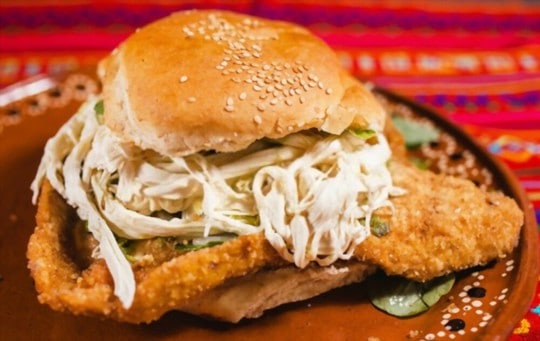
Both Cemita and Torta are traditional Mexican sandwiches that have some common grounds.
They are both made with a freshly baked bread roll and consist of layers of delicious fillings.
Meat is the primary ingredient in both sandwiches, with options such as pork, beef, chicken or ham.
In addition, they usually come with fresh vegetables like lettuce, tomato, avocado and onion, as well as condiments like mayonnaise or chipotle.
However, there are some differences between these two sandwiches that set them apart.
Cemita has a unique bread which is sesame seed-covered and fluffy inside but crispy outside.
On the other hand, Torta uses a French-style white bread roll and often has beans as one of the filling ingredients.
Also, while Cemita is exclusively from Puebla city in Central Mexico's Puebla state; Torta is famous all over Mexico with several variants depending on the region.
Despite their differences though, what's striking is how these sandwiches reflect the bright food culture of Mexico.
With bold flavors and textures that burst in every bite, Cemita and Torta hold a special place among Mexico's culinary treasures.
Distinct Flavors and Taste Profiles
The difference between a cemita and a torta lies in their distinct flavor and taste profiles.
While both are Mexican sandwiches, the cemita originates from Puebla and is made with a sesame-seed bun, avocado, cheese, papalo (herb), onions, choice of meat or vegetable, red sauce, and pierna (pork leg) meat.
On the other hand, the torta comes from Mexico City and is created with a white bread roll stuffed with refried beans, lettuce, tomato, avocado, jalapeno peppers, mayonnaise spread and a variety of fillings like chicken milanesa or carne asada.
The blend of ingredients and spices used in each sandwich makes them distinctly unique.
In addition to their differences in ingredients and location of origin, there are variations in how these sandwiches are served.
For instance, Cemitas are usually accompanied by warm soup or consomme while Tortas typically pair well with horchata or tamarindo drinks.
It's noteworthy that while widely enjoyed across Mexico, these sandwiches vary even within regions hence showing the versatility of Mexican cuisine.
Overall one can appreciate how cemitas differ from tortas not just in taste but also through subtle nuances such as history and cultural importance.
To appreciate how unique flavor notes stand out, compare with an unexpected reference like acai berry flavor reveal guide for a sense of bright versus savory profiles.
How Are Cemitas and Tortas Served?
Cemitas and tortas are two popular Mexican sandwiches with distinct differences.
Here's a breakdown of how these meals are served and consumed:
- Cemitas are typically made with sesame seed buns that are rounder than torta buns.
- They have a similar bread texture as brioche or challah.
- Fried meat, avocado, queso fresco, sliced onions, and chipotle peppers are typical ingredients added into cemitas.
- Tortas, on the other hand, may use a variety of bread types like telera or bolillo.
- They're rectangular in shape but also soft like cemita breads and are usually accompanied by spicier meats, refried beans, lettuce, tomato avocado and queso fresco too.
Interestingly, cemitas originated from Puebla while tortas find their roots from Mexico City.
While both sandwiches emphasize bright toppings and flavor contrasts between each element of the sandwich itself- making it messy to consume yet utterly delicious- there is not much overlap in flavors in a broad sense.
For hearty side options that pair with these sandwiches, explore satisfying salad meal ideas that can stand in as full accompaniments.
Where to Find Cemitas and Tortas?
Looking for places to try cemitas and tortas? Here are some options:
- Local Mexican restaurants - many local restaurants serve both cemitas and tortas, so check out your nearest Mexican restaurant.
- Sandwich shops - some sandwich shops may offer their own take on cemitas or tortas, so it's worth checking their menu.
- Farmers markets - if you're lucky enough to have a farmers market close by, there may be food vendors selling delicious versions of these sandwiches.
- Food trucks - the popularity of food trucks has meant that many now offer Mexican cuisine, with some specializing in cemitas and tortas.
The availability of both sandwiches may depend on the area you're in.
Some regions will have more options than others, and the authenticity of the sandwiches can also vary depending on where you go.
However, if you're looking for an authentic experience it's worth seeking out a Mexican restaurant with good reviews.
When searching for cemitas and tortas, keep an eye out for any unique variations or ingredients that might pique your interest.
For example, some restaurants may serve their sandwiches with different types of meat or add unexpected toppings like pickled vegetables or avocado crema.
Overall, there are plenty of places to find delicious cemitas and tortas if you know where to look.
By exploring different restaurants, food trucks, and farmers markets you can discover new variations of these classic Mexican dishes.
For tips on tracking down specialty ingredients at stores, consult where to buy miso and pantry tips as a practical shopping reference.
Choosing Between Cemita and Torta Sandwiches
The differences between cemita and torta are subtle but significant.
Cemita is a Mexican sandwich made from sesame seed-studded bread, whereas torta is made with crusty white bread.
Cemita is typically filled with meat, cheese, avocado and papalo leaves, while torta includes additional ingredients such as beans and tomatoes.
However, both are delicious and popular options with unique tastes that make them stand out from each other in their own way.
Frequently Asked Questions
It's typically filled with different ingredients such as meat, vegetables, avocado, beans, and cheese. They share some similarities but each has qualities that make it better suited for certain recipes.
Often, yes. The two share enough common ground that most palates won't notice a swap.
Cemita is usually milder while Torta brings more intensity.
Nutritional differences exist but are often minor in typical serving sizes. Neither is universally healthier - it depends on what specific nutrients or dietary goals you are focused on.
Which stores better after opening?
Once opened, one keeps better in the refrigerator with proper sealing.
The other may oxidize or separate more quickly, so using it promptly or in smaller quantities works better.
Cemita and torta breads influence side choices. bread maker vs oven comparison guide compares baking outcomes. Monte Cristo side dish ideas suggests versatile sides that work with rich sandwiches.