
The thought of fungus can terrify or even impress us.
But today, let's be impressed by a medicinal one- Chaga mushrooms.
Ever heard of them?
These aren't the regular mushrooms that you find everywhere and cost cheap to moderate.
They're downright expensive, rare, and beneficial.
Chaga mushrooms are a treasure found in Northern Canada, Northern Europe, parts of Asia, and Alaska in the US.
Yes, rarity is their first attribute.
So, what does Chaga taste like, and why is it worth the hype it receives? We'll discuss everything about them; the answers are just a few scrolls away.
What is Chaga?
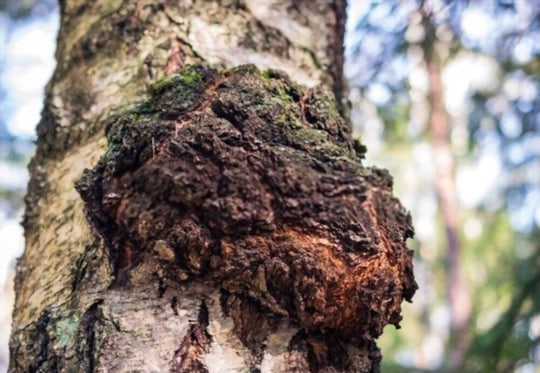
Chaga is the name for a type of mushroom found in colder climates that grow on birch trees.
If you imagine it to be something with the typical mushroom appearance, you should stop because the real thing is far from that.
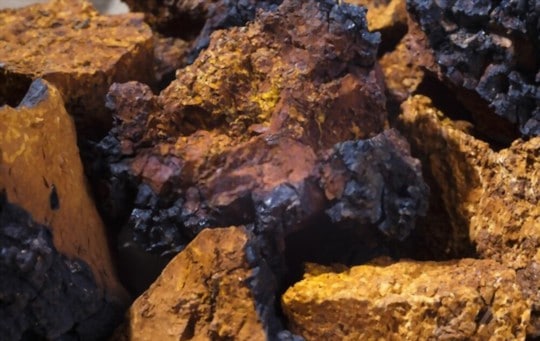
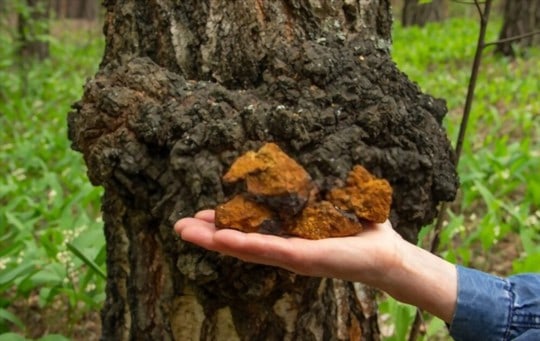
Chaga looks like rotten tree trunk chunks with a dark, almost black exterior.
At first glance, these mushrooms do not look appealing at all, and no one would even imagine such a mushroom to become a thing of hype.
Despite its dark exterior, Chaga is bright orange and soft inside and makes itself useful in many ways than one.
They are mostly ground into fine powder or even made into capsules to be taken as supplements.
Since the mushroom is quite rare, it has become a high-demand treasured superfood.
It can cost anywhere between $40 to $80 for 1lb.
For bright dessert pairings that balance bold flavors, see what pairs with lemon in desserts.
What Does Chaga Taste Like?
Chaga has gained popularity over the years and has become a favorite among health-conscious people.
Many want to try it but are unsure about the taste - similar to an acai berry taste guide for contrast.
So, what does it taste like? Chaga tastes like coffee.
The taste is mildly bitter yet comforting with a hint of sweetness.
It might not be the most appreciated flavor among mushrooms, but it is definitely worth it regarding nutritional benefits.
Despite being a mushroom, it has no underlying flavors that make it any mushroom-like.
However, they still have an earthy taste, which may be the closest they taste to other mushrooms.
Chaga is also known by several other names, including birch canker polypore, clinker polypore, black mass, sterile conk trunk rot, and cinder conk.
Why does this mushroom have so many names? It's because the names describe the Chaga well enough to need no other explanation.
Chaga mushrooms are among the best medicinal mushrooms, and they are not without reason.
They are rich in antioxidants, help boost your immune system, and improve overall health.
But how is it medicinal? Chaga prevents the formation of cytokines in your body by reimportantizing the white blood cells.
They also contain triterpene, an antioxidant, and reduce insulin resistance and cholesterol.
As a result, Chaga can help fight diabetes, cancer, and cardiovascular diseases.
People who need it can consume Chaga as a medicine; otherwise, you can drink it as a supplement every once in a while.
How to Cook and Use Chaga?
The most significant use of Chaga is to serve as a medicinal item, so it is essential to prepare them well.
First, wash the exterior by brushing excess dirt with a soft brush.
Then, proceed to remove the black outer layer and cut the mushroom into chunks.
Now, you just have to wait a month and some few weeks more to let the Chaga chunks dry.
Here are two exciting ways to use them:
- Chaga tea: One way to receive all the medicinal properties of Chaga would be to make its tea. You can use powdered Chaga and let it sit for a few minutes in hot or cold water before it gets ready.
- Chaga tincture: Boil Chaga chunks in water, and after it has cooled, add vodka or rum in equal quantities as the water, close with a lid, and let it sit in a cool place for about a week.
Once done, you can strain and discard the Chaga chunks and enjoy your tincture.
Chaga makes an incredible addition to any diet, but they are not without complications.
A certain protein in Chaga can hinder blood clotting.
They can also cause reactions in diabetics who take insulin shots.
So, if you're having any such medications or issues, you need to get your doctor's consent before hopping on to the trend.
If serving Chaga alongside a simple meal, 22 veggie sides that cook in under 12 minutes suggests quick vegetable pairings.
Final Thought
Now that you know all about Chaga mushrooms and how much they are treasured, you should try them out sometime.
Unlike most other mushrooms, they make a stark difference in curing illnesses and taste very different.
So, if you do find yourself addicted to it, moderate your intake and remember to consume it as a medicine because too much will only harbor risks.
It's always good to start with something mild like tea and work your way up to tinctures.
Regardless, Chaga still tastes bitter, so be ready for some disappointment amid bounty.
Frequently Asked Questions
So, what does Chaga taste like, and why is it worth the hype it receives? Many want to try it but are unsure about the taste.
So, what does it taste like? Try it in a few different preparations to find which version you prefer.
What pairs well with Chaga?
Chaga pairs well with ingredients that complement its natural flavor.
Try it alongside contrasting textures and seasonings to find combinations you enjoy.
Yes, noticeably. Fresh versions tend to have a brighter, more pronounced flavor.
Older or improperly stored versions can taste muted, sour, or slightly off - freshness matters here.
Start with a preparation that shows its natural flavor without overwhelming additions. Simple seasoning and a familiar context - alongside something they already enjoy - eases the introduction.
Chaga's subtle bitterness can be compared with other unique flavors; acai berry taste guide for contrast offers a fruity point of comparison. Complement light Chaga-infused plates with quick sides - 22 veggie sides that cook in under 12 minutes lists fast vegetable options.