
Chai latte delights the palate with a warm, sweet-spiced flavor featuring notes of cinnamon, cardamom, ginger, and cloves, balanced by a creamy, smooth texture that soothes with every sip. The spices offer a subtle earthiness and a gentle warmth that lingers alongside the rich milk base.
When prepared as a hot chai latte, the spices fully infuse the milk, creating a good mix where the sweetness and spice are mellowed and rounded; a cold or iced version amplifies the spice's sharpness and shows the tea's briskness. The intensity of the flavor can also vary depending on the concentration of the chai concentrate or the type of milk used, with richer milks adding creaminess and lighter options allowing the spices to shine through more distinctly.
Imagine the comforting familiarity of spiced pumpkin pie or mulled cider wrapped in the smoothness of a latte-chai latte offers that same cozy, aromatic warmth with a creamy finish.
What Is a Chai Tea Latte?
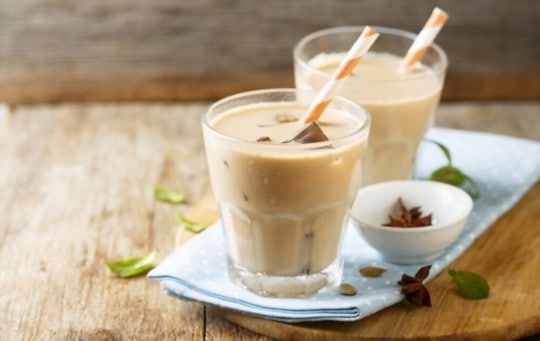
Dirty chai or Chai tea latte, also known as masala chai, is a beverage with its origin in India.
It is also a popular drink in England and is gaining momentum in America too.
A chai tea latte is a combination of milk and spices.
Most commonly prepared by brewing traditional spices like star anise, cinnamon, ginger, and cardamon, with tea and adding in your preferred choice of milk.
A chai tea latte is usually made sweeter than its other chai counterparts - try vanilla chai aroma tasting notes to understand how vanilla smooths the sweetness.
You can add sweeteners like honey or cream to your liking, and this extra sweetness balances the spicy flavor of the tea.
Did you know that chai tea latte can also be made entirely vegan? You can prepare chai tea latte with dairy, and they both taste just as lovely.
Using cow milk for a chai latte creates a more-frothier texture than using plant-based vegan milk like almond or soy.
What Does Chai Latte Taste Like?

A traditional chai tea latte has a bright taste and texture.
This masala chai is rightly called so as it uses different kinds of spices, and the cardamom, ginger, and star anise flavors create a warm heat and unconventional spicey taste in tea.
You can detect a hint of sweetness and spice from the first sip.
Without the correct proportion of sweeteners and spices, it can get a little bitter.
However, made correctly, it tastes delicious.
The aroma is also heavenly with the addition of cinnamon and the blend of all the masalas.
You can begin to smell it as you prepare the tea, and the cloves, cinnamon, and ginger give it a refreshing feel.
It tastes similar to a regular cup of tea - for a seasonal, sweeter spice comparison, see pumpkin spice latte flavor profile.
The first thing you would taste drinking a chai tea latte would be a sweet taste of whipped/ frothy cream.
Like other caffeine-based lattes, there is a foamy layer on top.
You can also expect to taste all the spices balanced evenly with the sweetness of the milk and creamers.
The more varieties of herbs you add, the more diverse the flavor will be.
You can expect to feel a little zing on your mouth from the cloves.
Masala chai has many benefits and is known to help during cough and cold, and they are also a great non-caffeine alternative.
It is believed that a cup can help improve digestion and is also very refreshing for your mind and mental health.
How to Make and Serve Chai Tea Latte?
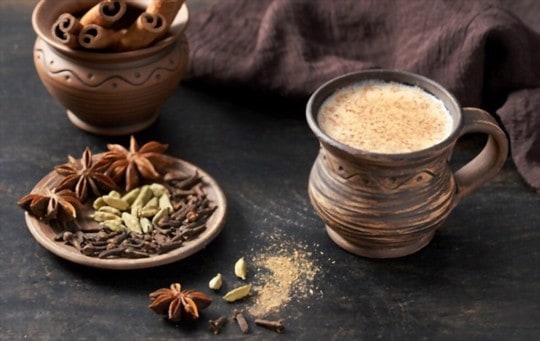
You can make chai tea latte from scratch effortlessly.
It is very simple and hardly takes time to make.
All you need are the basic spices- cardamom, cinnamon, star anise, ginger, and cloves.
You can start by boiling the water with the spices.
Adding them first will bring out the flavors more strongly.
Bring it to a boil and add the tea bag or tea leaves.
Allow it to boil for a few more minutes, and strain the tea.
You can boil your milk if you want to serve your tea hot or just add the milk directly to the tea.
You can also add more cream or honey to your chai tea latte.
It is wise to remember that the texture of the chai also greatly depends on the type of milk you choose.
Denser milks like cow and cashew nut milk creates more heavier texture, while soy or almond milk has a lighter texture.
If you are new to chai tea latte, start with smaller portions of spices to get accustomed to the flavors.
You can check out the different recipes to make chai tea to customize according to your taste.
For a lighter, floral contrast to chai's bold spices, oolong tea tasting notes and texture guide outlines how oolong's profile differs.
Conclusion
A chai tea latte is truly sweet and spicy, and everything is excellent.
A unique taste that will make you come back for more.
This delicious and addictive beverage is described by many as a hug in a cup.
The aroma and the intense flavors of the tea are sure to be a delight in every sip.
You can curl up in your sheets with a cup on a rainy day or even have it on the go.
Whether you're drinking your chai tea latte piping hot or iced, it is an excellent treat for your senses.
You will never go back after having a cup of chai tea latte.
Frequently Asked Questions
A chai tea latte is usually made sweeter than its other chai counterparts. You can add sweeteners like honey or cream to your liking, and this extra sweetness balances the spicy flavor of the tea.
You can prepare chai tea latte with dairy, and they both taste just as lovely.
If you enjoy Chai Latte, you may also like drinks with a similar flavor base. Exploring related beverages helps you discover new favorites in the same family.
Can you adjust the intensity of the flavor?
Yes.
Pairing it with acidic, sweet, or fatty components shifts the perceived intensity.
A squeeze of citrus brightens mild flavors, while fats like butter or oil mellow sharper ones.
Avoid pairings that clash with its dominant flavor note. Competing intensities - very sweet with very sour, or heavy with delicate - tend to obscure rather than go with the taste.
Explore a floral contrast with jasmine tea flavor reveal. Learn citrus-bergamot notes in Earl Grey tasting notes.