
Cottage cheese and paneer sit in the dairy aisle, staring us down like old rivals at a high school reunion.
Paneer, with its rich history traced back to ancient India, brings a firm texture to the table. Cottage cheese, on the other hand, prides itself on its creamy texture and versatility.
I remember the first time I tried to make a cheesecake with paneer; it was a disaster worthy of a sitcom episode. We learn from our mishaps, and now we're here to share the scoop.
Navigating this dairy dilemma, we've gathered facts, tossed in some anecdotes, and are ready to help us all make that cheesy decision.
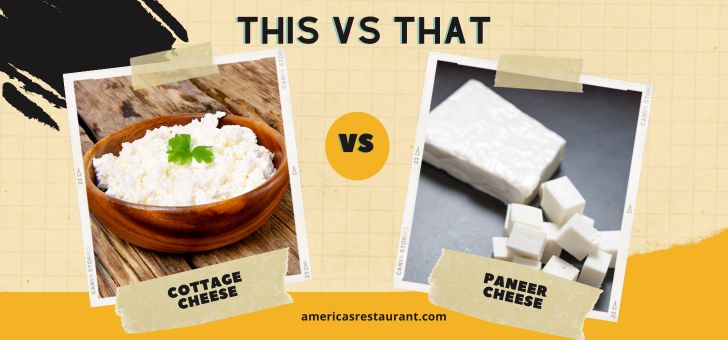
What is Cottage Cheese?

Cottage cheese is a dairy product that has a soft and creamy texture.
It is made by separating the curds from the whey in milk.
The curds are then heated with a small amount of cream to create cottage cheese.
It is rich in protein, low in fat, and has negligible carbohydrates.
Cottage cheese can be consumed plain or used as an ingredient in various dishes like pancakes, salads, smoothies, and casseroles - or compare it directly with paneer in a paneer vs cottage comparison guide to see when each works best.
Its mild flavor makes it versatile as it can be paired with sweet or savory ingredients.
Interestingly, it also aids digestion owing to its high content of probiotics.
Overall, cottage cheese is an excellent source of calcium, vitamins B and D, and protein for vegetarians who are looking for easy ways to boost their daily intake of required nutrients.
For a quick primer on how concentrated additives differ from general flavoring, extract vs flavor comparison notes explains when to choose one over the other.
What is Paneer Cheese?

Paneer cheese is a type of fresh cheese that originated in India and is commonly used in Indian cuisine.
It is made by heating milk until it curdles, then straining the curds and pressing them into a solid block.
Paneer cheese has a crumbly texture and a mild, slightly tangy flavor.
It is often used in dishes such as saag paneer, paneer tikka masala, and mattar paneer.
When compared to cottage cheese, which is also a type of fresh cheese, paneer has a lower moisture content and a higher protein content - see a wider context in paneer vs cheese differences explained.
This makes paneer a better option for those who are looking for a high-protein, low-carbohydrate food.
Paneer also contains beneficial nutrients such as calcium and vitamin B12.
Differences Between Cottage Cheese and Paneer Cheese

Cottage cheese and paneer are both kinds of cheese that share significant differences.
While both are made from milk, their production processes vary, affecting the final product's texture and taste - for a comparison with a similar dairy product, see cottage vs sour cream differences explained.
Unlike paneer, cottage cheese involves adding bacteria to milk to sour it before separating it into curds and whey.
The curds are then rinsed and drained, resulting in a creamy texture with a slightly tangy flavor.
On the other hand, paneer is made by adding an acid such as lemon juice or vinegar to hot milk, which causes it to coagulate and separate into solid curds that can be strained, pressed, and cut into cubes.
While both cheeses offer varying health benefits, there are also some notable differences.
For instance, cottage cheese contains significantly fewer calories than paneer while packing higher amounts of protein per serving.
Also, cottage cheese offers more calcium per serving than paneer due to its souring process.
However, paneer has a higher fat content than cottage cheese and can be challenging to digest for people who lack sufficient enzymes.
In summary, despite being similar in some respects as they come from milk products and used in various dishes worldwide.
Both cheeses have unique features that set them apart from each other in terms of nutrition value and taste preference.
When choosing between the two cheeses primarily depends on personal dietary preferences but keeping track of their nutritional benefits can help you make the best choice possible for your fitness goals in mind.
Origin and Cultural Background
Cottage cheese and paneer cheese have different cultural backgrounds.
Cottage cheese is a staple food in the United States and Europe, with an ancestry dating back to ancient times.
Paneer cheese has its origins in South Asia, particularly India and Pakistan.
It's a traditional ingredient in many recipes from these regions, like saag paneer and palak paneer.
These cheeses may seem similar in appearance, but they differ in taste, texture, and nutritional value.
Both cottage cheese and paneer cheese are low-fat options rich in protein, calcium and vitamins B12 and D.
However, whereas cottage cheese is softer and creamier with a mild flavour, paneer is firm with a crumbly texture that tastes lightly sweet.
Cottage cheese is usually eaten as a snack or salad topper while paneer is cut into cubes or grated for use in curries or sweets.
Despite their differences in origin and use, both types of cheeses can be consumed alternatively based on personal preference or dietary needs.
While Cottage Cheese Suites well with fruits as it gives that added creaminess without being too heavy.
Paneer Cheese adds that perfect blend of slightly chewy texture along with sweetness which works great as a vegetarian alternative for Chicken to kick start your day.
Ingredients and Preparation Method
Knowing the right combination of ingredients and how to prepare them is essential.
Both cottage cheese and paneer cheese are popular options, but which one is better? For starters, both types of cheese are made differently: cottage cheese is produced by adding an acidic agent to milk, while paneer cheese is made by curdling milk with a citrus juice or vinegar.
Cottage cheese has a tangy flavor that works well as a base for dips or as an addition to salads and sandwiches.
It also has a lower fat content compared to other cheeses, making it a great option for those looking to cut calories.
On the other hand, paneer cheese has a mild taste and crumbly texture that can be used in dishes such as curries and stuffed vegetables.
Both cheeses offer different benefits.
Cottage cheese is high in protein and calcium, which makes it an excellent source of nutrition for athletes and those looking to build muscle.
Paneer is rich in vitamins and minerals like phosphorus and vitamin B12, which are essential for maintaining healthy bones.
Texture and Consistency
The quality of cheese lies both in its taste and in its texture.
The consistency of a cheese determines how it can be used, cooked and consumed.
Cottage Cheese and Paneer Cheese are two popular dairy products that can be easily confused due to their similar appearance.
However, there are distinctive differences in their texture and consistency.
Cottage cheese has a moist, lumpy and curd-like texture.
It is made by curdling fresh milk with the help of vinegar or lemon juice which separates the whey from the curd leaving behind small chunks of creamy pearly-white cottage cheese.
Its crumbly texture makes it an ideal ingredient for dips, salads, sandwiches and spreads.
On the other hand, Paneer Cheese has a firm yet crumbly texture with a smooth surface.
It is made by using whole milk with the help of lemon juice or vinegar which leads to larger curds without separating whey completely.
This results in a tofu-like dense cheese that is cubical in shape and creamier to taste than cottage cheese.
Its soft texture makes it suitable for grilling or frying as it retains its shape without losing its softness.
When comparing both types of cheese side-by-side, it's important to keep in mind that Paneer Cheese has more protein content than Cottage Cheese which makes the former more nutritious than the latter.
Also, since Paneer Cheese is more versatile when cooking dishes where you want to retain its original shape while still maintaining some tenderness, like Matar Paneer or Palak Paneer - this type may be a better option depending on your requirements.
For ideas on achieving creamy, spreadable textures without dairy, 13 vegan hummus recipes for creamy texture and bold flavor offers several techniques.
flavor
Paneer Cheese and Cottage Cheese have distinctive flavors due to their unique preparation methods.
Paneer is a firm and creamy cheese with a subtle nutty flavor, while Cottage Cheese has a mild tangy taste and crumbly texture.
These distinct flavors make both cheeses an excellent option for various recipes in different cuisines.
Paneer is the preferred cheese as it is versatile in absorbing flavors of sauces and spices.
It adds richness to curries without changing the overall taste, and its texture allows it to hold shape when cooked on high heat.
On the other hand, Cottage Cheese is best used as a low-fat substitute for higher-fat cheeses like ricotta or cream cheese in baking recipes.
In summary, both Paneer Cheese and Cottage Cheese offer unique flavors that can bring diversity to any cuisine.
Choosing between them depends on the dish requirements, personal preference, and dietary needs.
Overall, experimentation with these cheeses can lead to exciting cooking experiences that improve one's knowledge about different types of cheese.
Nutritional Comparison between Cottage Cheese and Paneer

Cottage cheese and paneer are two different types of cheese that are often compared due to their similar texture.
However, when it comes to nutritional value, there are some differences that should be considered.
Both cheeses are a good source of protein but have different calorie counts - for another low-fat fresh cheese comparison, see cottage cheese vs quark nutrition breakdown.
While 100g of cottage cheese contains just 98 calories, the same amount of paneer contains around 265 calories due to its high-fat content.
On the other hand, paneer is a better source of calcium than cottage cheese.
Note that while protein content is similar in both cheeses, the amino acid profile differs slightly.
Paneer has a higher concentration of methionine and cysteine, while cottage cheese contains more lysine and tryptophan.
The presence of these amino acids impacts how the body can use these proteins.
Overall, both types of cheese can be included in a healthy diet but should be consumed in moderation due to their calorie content.
Also, anyone with lactose intolerance should avoid consuming these cheeses or opt for lactose-free options.
Culinary Uses of Cottage Cheese and Paneer
Cottage Cheese and Paneer are versatile cheeses used in several treats.
These cheeses often have similar textures and flavors, making them interchangeable in many recipes - for another look at similar-melt cheeses, read Colby Jack vs Monterey Jack texture comparison.
From savory dishes like curries and casseroles to sweet desserts like cheesecakes and smoothies, both cottage cheese and paneer add an appetizing touch.
Cottage cheese's soft texture suits it for salads, dips, sandwiches, and more, while paneer's mildly chewy texture caters to meals that require some bite like saag paneer or paneer tikka.
Cottage cheese usually undergoes lesser processing than paneer but has a lower shelf life than the latter.
On the other hand, paneer is an excellent source of protein-rich breakfast options like grilled sandwiches or scrambled eggs with veggies.
Whether you're a fitness enthusiast looking to boost your protein intake or someone who loves experimenting with new recipes in their kitchen; cottage cheese and paneer are both worthy candidates.
They add unique flavors to any dish they're used in without overpowering it.
So go ahead experiment away with these delicious options.
Considerations for Dietary Preferences and Health Goals
When considering dietary preferences and health goals, it's important to choose the right type of cheese for your needs.
Both cottage cheese and paneer cheese have their nutritional benefits and drawbacks.
Cottage cheese is a low-calorie option that is high in protein, making it ideal for weight management goals and muscle recovery.
Paneer cheese, on the other hand, is rich in calcium and vitamin D, promoting bone health.
However, paneer is usually more calorie-dense than cottage cheese.
The production process also differs between these two cheeses.
Cottage cheese is produced by curdling milk with an acidic substance, while paneer is made by heating milk to separate the solids from the whey.
This means that paneer typically has a firmer texture and can handle higher temperatures without melting.
Ultimately, when choosing between cottage cheese and paneer cheese, it's important to consider your specific dietary preferences and health goals.
For those looking to manage their weight or increase protein intake, cottage cheese may be the better option.
Meanwhile, those prioritizing bone health may benefit more from adding paneer into their diet in moderation.
Nutritional Benefits of Cottage and Paneer
After comparing the nutritional value and taste of cottage cheese and paneer cheese, it is evident that both have diverse benefits.
While cottage cheese is a low-fat option and high in protein, paneer cheese is rich in calcium, vitamin B12, and healthy fats.
Individuals with lactose intolerance may experience discomfort after consuming either type of cheese due to their dairy-based composition.
Hence, it's advisable to opt for plant-based alternatives for those who are lactose intolerant.
Considering the differences discussed above, choosing between cottage cheese and paneer cheese depends on one's personal preferences and dietary needs.
Taking advice from a dietician or nutritionist can facilitate the decision-making process for individuals who require a specific diet plan.
Buttercream and cream cheese frostings behave differently in fillings and toppings. buttercream vs cream cheese frosting comparison outlines texture and sweetness contrasts. Toasted sandwiches vary by technique; cheese toastie vs grilled cheese comparison explains which method yields which result.
Frequently Asked Questions
When compared to cottage cheese, which is also a type of fresh cheese, paneer has a lower moisture content and a higher protein content. They share some similarities but each has qualities that make it better suited for certain recipes.
Beginners often find Cottage Cheese more forgiving. Paneer Cheese requires a bit more attention but rewards you with distinctive results once you get the hang of it.
Shelf life differs based on processing and packaging. One often keeps longer unopened, while the other may need refrigeration or faster use after opening.
One tends to perform more consistently across a range of cooking methods, making it the safer choice when experimenting. The other delivers stronger results in specific applications.