
Good replacements for Flavorful include Dijon Mustard, Yellow Mustard, Honey Mustard, Spicy Brown Mustard, and Stone-Ground Mustard.
Dijon Mustard
Dijon mustard is a type of mustard that originates from the city of Dijon, France.
For cooking, Yellow Mustard also works well - adjust the amount to taste.
Alright, you've hit a snag in your cooking adventure - that jar of Creole mustard you swore was in the back of the fridge is nowhere to be found.
Creole mustard's unique, but guess what?
There are some pretty great stand-ins that might just be hanging out in your pantry or fridge right now.
This list isn't about settling for second best; it's about discovering some cool swaps that keep your food game on point without a last-minute grocery run.
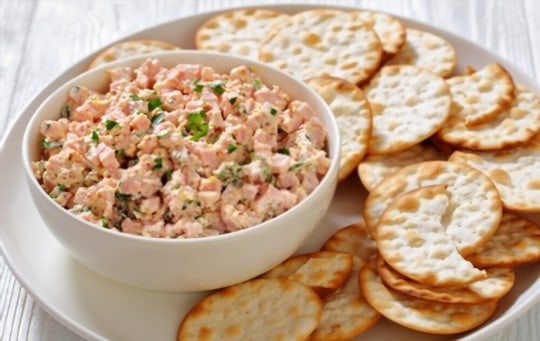
The 5 Best Substitutes for Creole Mustard
There are plenty of other mustards that can be used as a replacement.
Here are the five best substitutes for creole mustard:
If a recipe also calls for binding agents, consider egg alternatives - eggs in meatballs substitution ideas that work in saucy condiments and dressings.
1 - Dijon Mustard
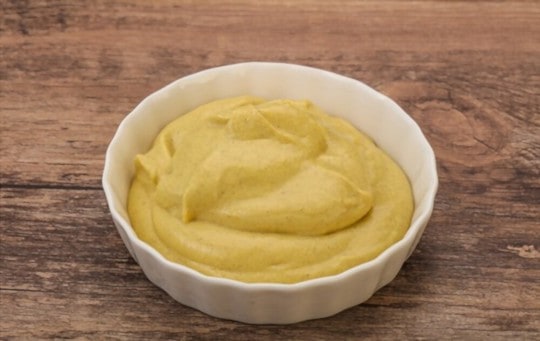
Dijon mustard is a type of mustard that originates from the city of Dijon, France.
It is made with brown mustard seeds and white wine and has a sharp, somewhat tangy flavor.
The texture of Dijon mustard is smooth and creamy, making it a good choice for spreading on sandwiches or using as a dip.
When substituting Dijon mustard for Creole mustard, it is important to keep the ratio of acid to fat in mind - or compare whole-grain mustard swap options for texture to find a similar balance.
Dijon mustard is considerably more acidic than Creole mustard, so you may need to add a bit more fat (such as olive oil) to balance out the flavors.
2 - Yellow Mustard
Yes, yellow mustard is the standard condiment for hot dogs and hamburgers.
But this common condiment is so much more than just a picnic staple.
Yellow mustard is actually a type of mustard seed that is native to the Mediterranean region.
The seeds are ground up and mixed with water, vinegar, and spices to create the familiar yellow condiment that we know and love.
But what does yellow mustard taste like? While the flavor of yellow mustard can vary depending on the brand, it is generally described as being sharp and tangy with a slightly sweet undertone.
The texture is creamy and smooth, making it easy to spread on sandwiches or use as a dip.
Now you may be wondering how yellow mustard stacks up against other types of mustard, such as Creole mustard.
While they both have their own unique flavors, yellow mustard can be used as a substitute for Creole mustard in many recipes.
For recipes that layer flavors, think about aromatic swaps too - yellow onion substitute ideas for depth when raw onion would normally be added.
3 - Honey Mustard
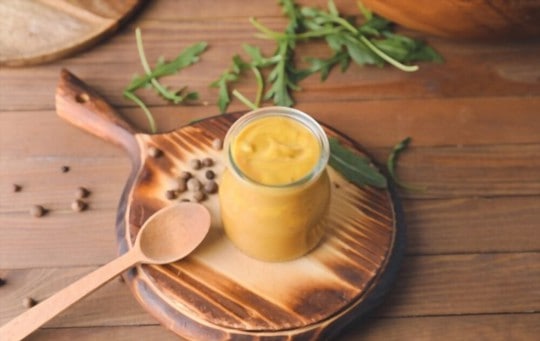
Honey mustard is a type of condiment made by combining mustard and honey.
It is often used as a sandwich spread or a dip for pretzels and chicken fingers.
The taste of honey mustard varies depending on the ratio of honey to mustard used, but it is typically sweet with a tangy kick from the mustard.
The texture is thick and creamy, similar to most other types of mustard.
Honey mustard can be easily made at home by whisking together equal parts honey and mustard.
It can also be purchased at most grocery stores.
When substituting honey mustard for other types of mustard, it is important to keep the sweetness in mind - or check brown mustard swap suggestions for balance if a less-sweet profile is needed.
Honey mustard is an excellent replacement for Creole mustard in recipes that call for a sweet and tangy flavor.
4 - Spicy Brown Mustard
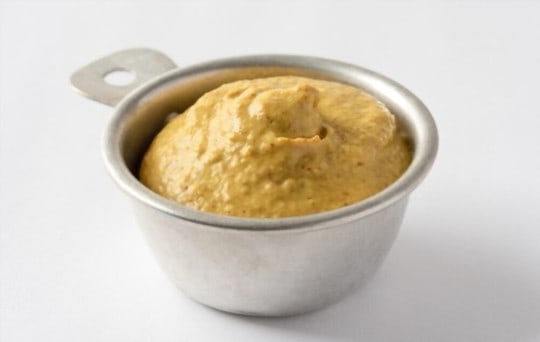
Spicy Brown Mustard is a type of mustard seed that is used to make the popular condiment.
It has a strong, pungent flavor that is perfect for adding zest to sandwiches and burgers.
The seeds are also used in pickling and can be used as a flavoring agent in cooking.
Spicy Brown Mustard is available in most grocery stores and can be found in the condiment aisle.
It is usually sold in a jar or bottle and has a shelf life of up to two years.
When choosing a mustard, it is important to select one that is fresh and has no added preservatives.
For meals where mustard accompanies grains, consider grain swaps too - brown rice substitute options for pairing that keep the plate balanced.
5 - Stone-Ground Mustard
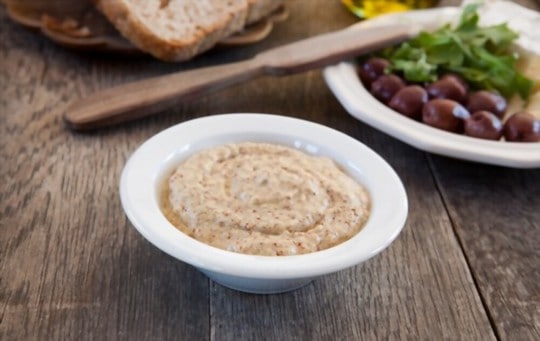
Stone-ground mustard is a type of mustard that is made by grinding whole mustard seeds into a fine powder.
It has a strong, pungent flavor and a gritty texture.
Stone-ground mustard can be used as a substitute for Creole mustard in recipes.
When substituting it, use half as much stone-ground mustard as you would Creole mustard.
Stone-ground mustard is also a good addition to vinaigrettes and sauces.
It can be used as a condiment on sandwiches and burgers or mixed into mayonnaise or cream cheese to make spreads.
Dry mustard can often be swapped for pantry-friendly options - dry mustard substitute ideas and tips. Whole seeds behave differently in recipes, so consult mustard seeds substitution methods and uses for best results.
Frequently Asked Questions
Dijon Mustard, Yellow Mustard, Honey Mustard, Spicy Brown Mustard, and Stone-Ground Mustard. Use it at a 1:1 ratio in any recipe that calls for Flavorful.
In most cases, yes. Try Dijon Mustard first since the flavor is closest.
Yellow Mustard handles heat and texture differently, so test in small batches.
It can, especially with ingredients that have distinct colors or pigments. The difference is usually minor in mixed dishes but may be more visible in lighter sauces or batters.
How do you adjust seasoning when using a substitute?
Taste as you go.
Substitutes can be saltier, milder, or sweeter than the original.
Add seasoning gradually and adjust at the end rather than matching the original recipe amounts exactly.