
You might mistake a dandelion root tea for tea made from a dandelion leaf since they come from the same plant.
But it's amazing how two different teas from the same plant can have similar yet nonidentical nutritional values.
Both are they aesthetically pleasing, but the dandelion plant also has a history beyond us, and its usage dates back to ancient civilizations.
It is also known that the Chinese traditions used dandelions in making traditional medicine.
Who would've thought that the plant used in many cultures to symbolize hope and other emotions would have such medicinal benefits?
But if you've never tried dandelion root tea, you're wondering, "What does dandelion root tea taste like?
Read on as we look closer into its taste profile, what dandelion root tea exactly is, and how you can best cook and serve it.
What is Dandelion Root Tea?
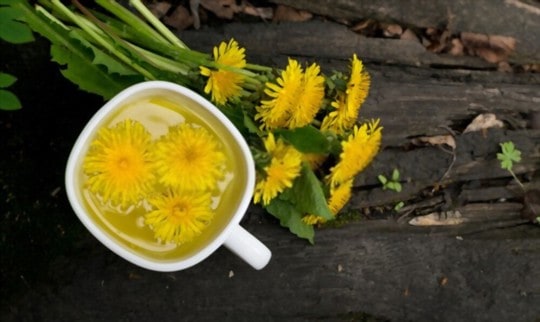
Dandelion root tea is one of the best medicinal teas offered worldwide.
It is derived from the process of roasting the roots of the plant and has been used as a herbal tea for thousands of years.
Some would call it an alternative to coffee because of its appearance or taste, but it is without caffeine and has serious health benefits.
The root of the dandelion is packed with protein, phosphorous, iron, and manganese, so people drink it as a source of these essential elements.
The health benefits usually associated with drinking dandelion root tea include:
- Promoting liver health.
- Being an alternative drink for coffee addicts.
- Fighting against urinary infections.
- Reducing water weight and general weight.
The dandelion root tea also contains a type of prebiotic known as Inulin.
This seriously aids in improving your digestive health while aiding in your appetite.
For another dandelion-based beverage comparison, dandelion wine taste guide for a wine-style profile compares how fermented dandelion differs from the caffeine-free tea.
Key Tasting Notes of Dandelion Root Tea
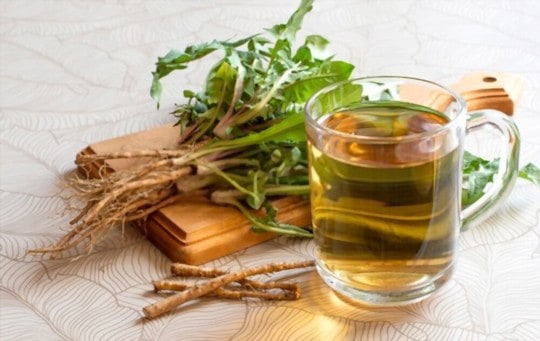
Now that we understand what dandelion root tea is and how they benefit our overall well-being let's get into the details of their taste profile.
While the dandelion leaf tea offers a sweeter texture, the dandelion root tea, when served by itself, gives a more natural mustiness like the flavor of the earth.
However, most people add various ingredients to the mixture that can give another variation to its flavor and taste profile.
Since dandelion root tea is rather neutral and mineral in taste, it is easily blended with other flavors.
The taste profile is also similar to coffee without bitterness and is used as an alternative to it.
Given that the root of the dandelion is roasted, it offers a mild smoked-filled taste and flavor but also has that slight aroma of flowers.
This makes the dandelion root tea a blend of complex but strong flavors.
Another resemblance to coffee is because of its color.
The dandelion root tea, when brewed, gives a dark color but is not as black as coffee.
While the similarities are present, any enthusiast of both these favored drinks would immediately know the difference.
If a brighter, tart contrast is wanted, key lime pie taste breakdown for tart-sweet notes highlights flavors that can lift dandelion's earthy profile.
How to Cook and Serve Dandelion Root Tea?
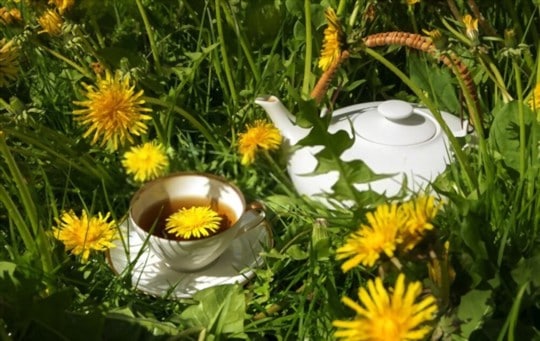
If you're trying to naturally make dandelion root tea at home, you might need to take a few extra but simple steps to brew yourself the perfect one.
The first step is finding a dandelion root, which is also the hardest part.
Once you've found one free from any chemicals, simply dry it out before you roast them.
Then comes the easy part: once you have a nice dried dandelion root, simply roast them.
Roasting sounds intimidating, but you don't need an inferno to blaze them with fire and heat.
You only need a pan and a stove to stir-dry and roast them.
Think of it like frying steak but without the oil.
You'll know when it's ready when the root turns yellowish and gives off that nice fragrance.
Pound and ground them if you want that powder form, or you can stick to their natural roasted form.
Stick to brewing the powdered form like how you would start with coffee.
On the other hand, for the roasted natural root, you can place it in a pot and brew it alongside the water.
Adding high-quality ingredients to complement or improve the musky taste profile is certainly okay, but drinking it the Al Naturel way is also a great choice.
However, if you do not have any access to the root itself, you can simply go to any health store or order the powdered version online and brew yourself a healthy dandelion root tea.
For another root-focused tasting perspective, lotus root taste guide by texture and mild sweetness shows how different roots reveal flavor when roasted or cooked.
Best Ways to Enjoy Dandelion Root Tea
This ancient herbal tea has been around for centuries, and its use is still highly active among health enthusiasts or people who generally just want to lead a healthy life.
Dandelion tea is a great healthy alternative to coffee and a great source of all the essential nutrients your body needs.
The best part is? They taste absolutely delicious, so it's a win-win situation for you.
root beer taste breakdown for sweet, spiced notes illustrates a sugary, spiced root-flavored beverage profile. yuca root flavor guide for starchy, mildly sweet characteristics describes a starchy root often used in savory and sweet applications.
Frequently Asked Questions
But if you've never tried dandelion root tea, you're wondering, "What does dandelion root tea taste like?" We've got you covered. Read on as we look closer into its taste profile, what dandelion root tea exactly is, and how you can best cook and serve it.
Some would call it an alternative to coffee because of its appearance.
Brand and preparation can shift the taste of Dandelion Root Tea noticeably. Ingredients, sweetness levels, and carbonation all vary, so trying a few versions gives a fuller picture.
Does ripeness or age change the taste?
Significantly.
Younger or less ripe versions are often sharper, more astringent, or more bitter.
As it matures, flavors typically mellow and deepen into something more complex and approachable.
Texture and taste are inseparable. A pleasant texture encourages slower eating and better flavor perception.
Off-putting textures - too mushy, too fibrous, or unexpectedly gritty - can make even good flavors less enjoyable.