
Summary of key points
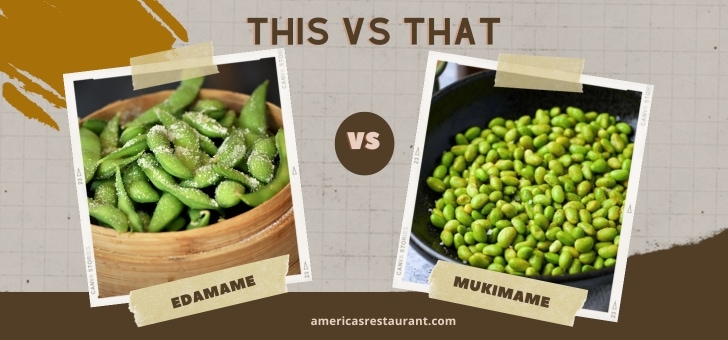
Edamame and Mukimame refer to the same soybean plant but differ in the form they are consumed. Edamame is harvested earlier than soybeans used for mukimame and is sold in the pod, which is not eaten.
It's often boiled or steamed and served with salt. Mukimame, on the other hand, refers to the shelled edamame beans, without the pod, and can be used similarly to other shelled beans in cooking.
Both forms offer a nutritious snack or side dish, rich in protein, fiber, and vitamins.
Have you ever noticed how some recipes call for edamame while others list mukimame as an essential ingredient?
It's easy to become confused as the two names sound similar and they both come from legumes, but there are distinct differences between them.
While these humble ingredients may seem small, learning about their unique distinctions can make all the difference when it comes to your cooking.
What is Edamame?

Edamame is a type of soybean that originated in East Asia, specifically in China and Japan.
The word Edamame itself means "beans on branches" as the soybean pods are usually still attached to the branches when they are harvested.
They are typically boiled or steamed and served as a snack or appetizer.
Edamame is often enjoyed with a little bit of salt or seasoning.
Edamame is known for its nutritional value as it is high in protein, fiber, iron, and calcium.
It also contains other essential nutrients such as folate, vitamin C, and vitamin K.
It's no surprise that edamame has gained popularity over the years especially among those who follow a plant-based diet.
Another reason why edamame is popular is due to the ease of preparation.
Fresh or frozen edamame can be found at most grocery stores and can be boiled or steamed within minutes.
It can be enjoyed as a healthy snack or used in recipes such as salads, stir-fry dishes or soups.
If experimenting with edamame in sweeter or citrus-forward dishes, reference lemon dessert pairing ideas for complementary flavors.
What is Mukimame?

Mukimame is a type of soybean that is very similar to edamame.
This bean has also become a popular snack and ingredient in various dishes.
In this section, we will take a closer look at what Mukimame is and how it differs from Edamame.
Mukimame comes from the same plant species as edamame, also known as Glycine max.
However, unlike edamame which is harvested when fully matured, mukimame is harvested earlier in its growth stage while still immature.
In terms of appearance, mukimame has a green-yellowish color shell and brown beans inside compared to the bright green color of edamame both outside and inside.
Mukimame is slightly sweeter than Edamame with fewer calories per serving size though it lacks sodium content while served without salt seasoning.
Regarding texture properties; softer being less chewy than edamames due to shorter harvest time leads an overall mild taste.
Although edamames are commonly found fresh or flash-frozen pod packs seasoned with light salt or plain, Mukimaes can usually be found in the freezer section and lightly pre-seasoned.
The differences between Mukimame and Edamame are mainly due to harvesting time, color, taste, texture, and availability.
Both of the soybeans are healthy options for snacking or as an ingredient in various dishes, depending on preference.
Next up is a comparison between Edamame and Mukimame to understand the difference between both.
Mukimame can be served as a snack alongside dips - try the suggestions in guacamole pairing ideas for tasty combos as a starting point.
What's the Difference Between Edamame and Mukimame?
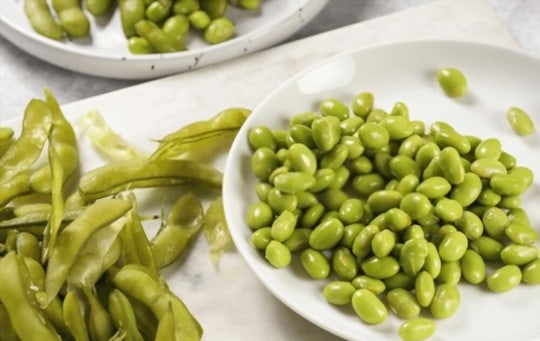
Edamame and Mukimame are both soybean-based snacks that are popular all over the world - see soybeans vs edamame comparison guide for how they differ.
However, there are some key differences between these two snacks.
Edamame is typically eaten as an appetizer before meals or served alongside Japanese cuisine.
It's usually boiled or steamed and then sprinkled with salt for added flavor.
The pods should be squeezed to extract an edible seed that tastes similar to a fresh pea.
Mukimame has a softer texture compared to edamame - the beans are removed from the pods, which eliminates the need to shell them individually when eating.
They're pre-seasoned with spices like garlic or dill, and can be eaten straight out of the bag.
These two snacks seem quite similar - both come from soybeans - but there is more than meets the eye.
While edamame is picked young before it fully matures, their counterparts stay grounded until they reach optimum maturity levels before being mechanically harvested.
1 - Harvesting Method
Edamame and mukimame are two types of soybeans that are commonly eaten as snacks or used in various dishes.
You may be wondering about the differences between these two varieties, and one factor that sets them apart is their harvesting method.
To understand the difference between edamame and mukimame, it's important to first consider how they are harvested.
Edamame beans are harvested while they are still young and green, usually about three months after being planted.
Farmers will carefully select the pods that are at the right stage of maturity, then quickly harvest them by hand or using machinery to strip the pods off the plant.
These beans are typically boiled or steamed in their pod before being served.
On the other hand, mukimame is a type of edamame that is left to mature on the plant.
Once they reach full maturity, which can take up to six months after planting, farmers harvest these beans in much the same way as other mature crops like peas or lima beans.
The pods containing mukimame beans have already begun to yellow and dry out by this point, so they're typically shelled before being cooked or eaten.
To summarize: edamame is harvested when beans are still young and green whereas mukimame is allowed to mature on the plant before being harvested like pea shoots.
2 - Nutritional Value
Nutritional Value: Edamame and Mukimame are two soybean products that are similar in appearance but differ in taste, texture and nutrition.
In this section, we will be discussing the nutritional value of Edamame and Mukimame.
As you can see from the table, both Edamame and Mukimame have almost equal protein content per serving size.
However, Mukimame has higher amounts of fiber and calories as compared to Edamame.
Edamame is also lower in carbohydrates than Mukimame while having a slightly lower calorie count making it a suitable snack for people who are conscious about their calorie intake.
Naturally rich in fiber, both Edamame and Mukimame are a great source of plant-based protein along with essential vitamins and minerals like calcium, potassium, magnesium, vitamin C and folate.
For a sense of the savory, umami notes that can complement these beans, consult nutritional yeast taste guide for umami notes.
3 - Taste and Texture
Edamame and Mukimame may look similar, but there are noticeable differences in their taste and texture.
Edamame has a mild, refreshing flavor that is mildly sweet.
The texture is firm on the exterior with a creamy interior which offers a satisfying balance to your palette.
On the other hand, Mukimame offers a nuttier flavor compared to Edamame.
It offers an added crunch that gives it an extra kick while consuming it.
The texture is chewier with a crunchy twist that makes it truly stand out.
Overall, there is no clear winner when it comes to taste and texture as it entirely depends on personal choice.
For another flavor-profile write-up, see acai berry flavor notes revealed to compare how different textures and tastes read on the palate.
How to Prepare and Serve Edamame and Mukimame?
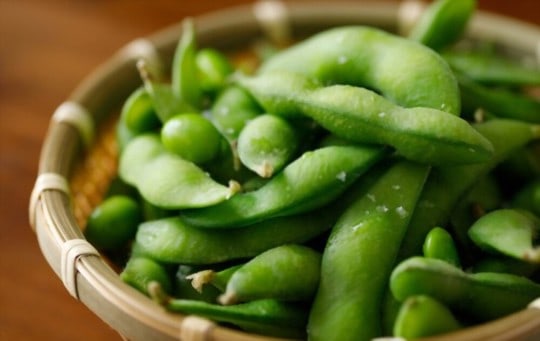
To prepare and serve edamame and mukimame, you first need to cook them.
Both edamame and mukimame can be boiled, steamed or microwaved.
Once cooked, they can be served as a snack or added to salads or stir-fries.
When serving edamame or mukimame, it is important to remember that only the beans are edible; do not eat the outer pod of edamame.
Simply sprinkle them lightly with salt before serving as an appetizer or side dish.
Also, both edamame and mukimame pair well with other Asian flavors such as soy sauce, sesame oil and ginger when used in stir-fries or noodle dishes.
In summary, preparing and serving edamame takes only a few simple steps which can result in a delicious snack or addition to various dishes - more on flavor in what edamame tastes like explained.
Where to Buy Edamame and Mukimame and How to Store Them?
To get your hands on some delicious edamame or mukimame, you can easily find them at many grocery stores and supermarkets.
You don't need to search far and wide for them as they are often available in the frozen food section of most stores.
To keep them fresh, store them in the freezer until you're ready to use them.
As mentioned earlier, edamame and mukimame can be found in many grocery stores across the country.
Some of the most popular options for purchasing these beans include Walmart, Safeway, and Trader Joe's.
Other great retailers that carry edamame and mukimame include Whole Foods Market, Target and Asian specialty stores.
Look through all of your local grocery stores' frozen food sections to find these tasty treats.
To make sure your edamame or mukimame stay fresh after purchase, it is essential to store them properly.
Once you have brought home these goodies from the grocery store, place them immediately into your freezer for storage.
They should stay fresh for up to six months if stored this way.
For finding other Asian pantry staples while shopping the frozen or specialty aisles, see where to buy miso in grocery stores.
Key Differences Between Edamame and Mukimame
It is commonly found in the freezer section of grocery stores and can be bought pre-cooked or in a frozen pod.
Mukimame, on the other hand, is also a young soybean but it is cooked longer to achieve a softer texture and sweeter taste.
It can sometimes be labeled as "sweet soybeans" or "ripe soybeans".
While both are nutritious and high in protein, they do have different culinary applications.
Edamame pods can be served as an appetizer, snack or added to salads while mukimame can be used as a side dish, added to stir-fries or even turned into hummus.
Frequently Asked Questions
Edamame and Mukimame refer to the same soybean plant but differ in the form they are consumed. They share some similarities but each has qualities that make it better suited for certain recipes.
Sometimes. Edamame works where Mukimame is called for in certain dishes, but not all.
Check whether the recipe relies on a specific quality before substituting.
Cold preparations like salads and dressings often favor the option with a sharper, more defined flavor. Heat can mellow both, so the distinction matters more in uncooked dishes.
Do professional cooks prefer one over the other?
Professional preference depends heavily on the dish and cuisine style.
Each has its context where it outperforms the other, so most experienced cooks keep both on hand.
Edamame pairs with many snack and side choices. what edamame tastes like explained complements serving ideas. where to buy miso in grocery stores helps source other Asian ingredients.