
Edamame probably sounds like some name you'd hear in a fictional fantasy book.
It's not.
It's actually a different type of soybean that's usually served alongside Japanese cuisine.
The soybeans are normally boiled, salted, and eaten raw.
Although it can be eaten raw, Edamame is usually eaten together with Japanese cuisines like sushi to create more texture.
Apart from its unique name, this particular soybean has also gained some attention due to its confusion with green peas.
This is partly due to its color and shape.
However, it has a different taste value.
Continue reading to know more.
We'll be diving into its taste profile, preparations, and more.
What is Edamame?
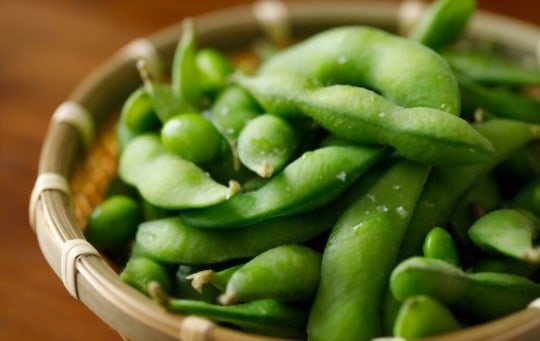
Edamame comes from the soybean family and is typically green and young when picked.
Due to this, this soybean is usually soft and edible, unlike other mature soybeans, which are dry and hard.
Edamame is a Japanese name that means "beans on a branch".
Like its name origins, it is typically centered around East Asian cuisine and sold in pods or hulled.
The pod of edamame is not edible.
However, it brings out a specific flavor that makes the edamame an ideal snack - for a very different fruity profile, try acai berry taste guide for contrast.
Meanwhile, the hulled version makes an excellent pair for salads and rice dishes.
Edamame is not expensive, but the hulled version is slightly costlier than the pod.
When served in the pod itself, edamame is a famous appetizer in many Japanese restaurants.
It has also been well-loved and appreciated by vegans and vegetarians due to its low-fat protein and other nutritional aspects.
Lemon isn't a common match with edamame, but for ideas on balancing citrus in sweets, see lemon dessert pairing ideas, 9 options.
What Does Edamame Taste Like?

Edamame beans are well-known for their subtle taste, which is quite similar to peas.
However, peas lean towards the sweeter note, while edamame beans carry a more mild sweet note.
The beans also carry a nutty tone that resembles almonds, along with a buttery texture and hints of saltiness.
On another note, the pods do not produce any distinct flavor of their own.
However, it does contribute to the overall taste of the beans to some extent.
Edamame beans are also notably firmer than other types of beans or peas and, thus, produce a distinct bite.
But, this particular hardness and texture can differ based on its processing and preparation.
Apart from being a delicious snack, edamame beans also contain high nutritional value, such as protein, which can help build muscle mass.
Hence, it would serve as a good workout snack. After all, it is also known as "The Muscle Bean".
You can also maintain your weight by eating edamame regularly.
Plus, it carries 8 essential amino acids, making them quite invaluable for our body.
They also act as antioxidants, zinc, fiber, iron, etc.
Also, several studies confirm that consuming edamame can help prevent heart disease and decrease your cholesterol levels in some people.
It also helps promote healthy bones due to its rich vitamin K content.
Lastly, edamame beans are great for the skin.
The extracted oil from edamame is often infused with different foods, which helps contribute to more radiant and smoother skin.
How to Eat and Serve Edamame?
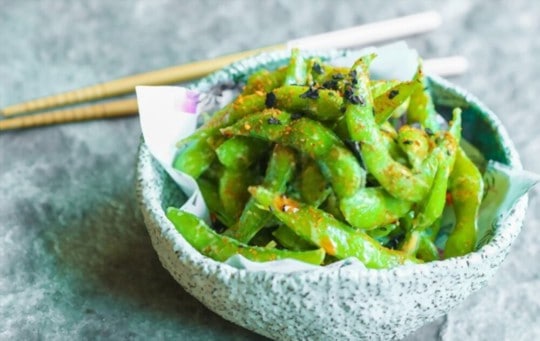
The simplest way of eating edamame is having it raw. But it's best not to follow this simple method.
This is due to the status of edamame beans as soybeans, which makes them poisonous when eaten raw.
It's better to eat them cooked or microwaved to get the best value without harming your body.
Being a plant-based food, edamame also comes with several health benefits and can be eaten in various ways as well.
You can simmer the entire edamame pods under salted boiled water for about 6-8 minutes or till the beans become tender.
You can also microwave or simmer the pods and then remove the beans only after the process.
Shelled or podded edamame is normally steamed for about 10 minutes underwater.
Once it is steamed properly, you can submerge the beans under icy water.
This will help maintain the bright green color of the beans.
If you're planning on stir-frying, then avoid doing so, as it may not be enough to take out the toxins from the beans.
If you're still planning to eat them raw, you can simply slash the pods open and yank them up.
In countries like China and Japan, edamame beans are normally served salted alongside beer - similar to how Americans eat roasted peanuts with alcoholic beverages.
Edamame can work as a finger food alongside dips, similar to chips and veggies - what to eat with guacamole, tasty combos offers pairing ideas.
How to Buy Edamame?

Frozen edamame beans are usually found more abundantly as compared to fresh ones.
The frozen versions are typically offered hulled and are available in various grocery stores during seasonal times.
You can purchase the frozen edamames from the freezer section, while the fresh version will most likely be sold in pods.
The fresh pod versions can be found in Japanese markets towards the end of summer.
When purchasing fresh edamame, make sure to pick plump pods with a slightly fuzzy exterior.
Avoid purchasing pods with brown areas as it displays over maturity.
Today, edamame can be found across several market areas.
If not fresh, the frozen ones can be found abundantly.
However, despite its availability, it's always essential to understand what you're looking for before purchasing the product.
This will not only help pick better produce but also make your trip to the market worthwhile.
Hence, remember to stay away from brown or black edamame and try to purchase fresh ones during its peak season.
Availability of edamame often follows other Asian staples, so check the same grocery sections and see where to buy miso and grocery locations for store placement tips.
Conclusion
Edamame beans have proven to be an excellent source of various nutritional contents such as vitamins, fiber, protein, and more.
But, setting aside the health value, these beans also make a great snack.
You can munch on them as a regular snack and reap the benefits, and you can also use them to create your own pastime snacks or infuse them into your dishes.
Whatever the reason be, edamame is an excellent option if you're looking for something new to experiment with.
Also, it's vegan and vegetarian. Hence, anyone can try the beans.
Edamame vs mukimame is a straightforward comparison; edamame vs mukimame quick comparison and soybeans vs edamame key differences clarify how the beans differ.
Frequently Asked Questions
So, if you've ever wondered what does edamame taste like? We'll be diving into its taste profile, preparations, and more.
Edamame beans are well-known for their subtle taste, which is quite similar to peas. Try it in a few different preparations to find which version you prefer.
Does Edamame taste different when fresh versus stored?
Freshness matters.
Edamame tends to have a brighter, more pronounced taste when fresh.
Stored or aged versions may develop mellower or slightly different flavor notes.
Significantly. Younger or less ripe versions are often sharper, more astringent, or more bitter.
As it matures, flavors typically mellow and deepen into something more complex and approachable.
Texture and taste are inseparable. A pleasant texture encourages slower eating and better flavor perception.
Off-putting textures - too mushy, too fibrous, or unexpectedly gritty - can make even good flavors less enjoyable.