
Ever stumbled upon Redbud Jelly and thought, "What in the world does that even taste like?" We did too.
This unique treat is a springtime secret not many know about. It's a solid option.
Seriously, this jelly isn't just another spread for your toast. It's like spring has decided to throw a party, and your palate are invited.
Redbud trees, with their striking pink blossoms, aren't just a feast for the eyes.
They're also the star ingredient of this intriguing jelly.
Think floral, think sweet, with a hint of tartness that dances on your palate.
It's the kind of flavor that makes you pause and go, "Wow, nature's pretty amazing, huh?"
Perfect for those who love to try something different in the kitchen or simply want to shake up their breakfast routine.
Trust us, a spoonful of this and you'll want to spread it on everything.
What is Redbud Jelly?
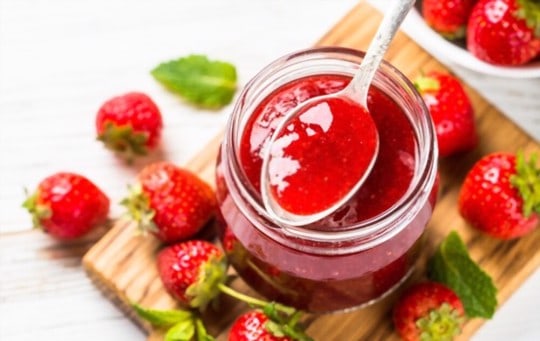
While most jellies and syrups come from fruits, several come from flowers.
Redbud Jelly comes from the blossoms of Cercis canadensis, the Eastern Redbud.
It's a small deciduous tree or a big shrub.
The flowers range from light to dark magenta pink, and they bloom from spring to early summer.
The tree is native to Eastern North America and Central Mexico.
The flowers, buds and young pods are all edible.
Redbud Jelly is easy to make with only a handful of ingredients and utensils.
Once you finish making the jelly, you can store it in the fridge for a while.
You can serve it with a variety of items at breakfast or whenever you want to eat some - try a bright pairing like lemon dessert pairing ideas for brightness.
If you are interested to learn how to make Redbud Jelly, don't go anywhere.
Besides describing its taste, we will also tell the simplest method to make the jelly.
If you have the blossoms on your property, you can follow the steps and make delicious jelly in your kitchen.
What Does Redbud Jelly Taste Like?
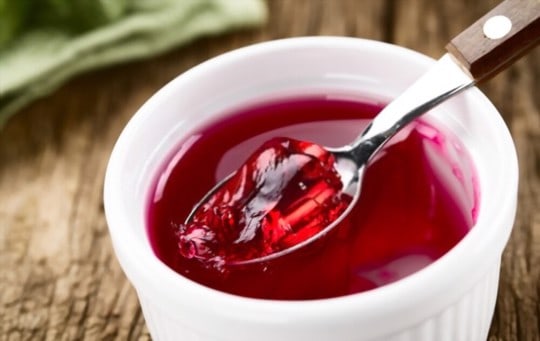
Since it comes from flowers, the jelly naturally has a lovely fragrance.
But what of its taste? The blossoms taste bitter when they are still closed.
Later on, they taste like lettuce, and you can use the flowers as a garnish in salads and other dishes.
However, the jelly has an entirely different flavor.
Redbud Jelly may taste similar to jellies made with a variety of flowers like Forsythia, Honeysuckle, Rose petals, Hibiscus, and wild violet.
They all come from flowers and taste sweet with a hint of tart.
Other varieties made with Nasturtium, Lavender, Johnny Jump Up and Clover may also have a similar flavor to Redbud Jelly.
Earlier, you saw that Redbud blossoms taste bitter at first and later a bit like lettuce.
But the jelly, when it's complete, tastes lovely; it's sweet, with a slightly tangy taste, and it smells of spring.
It's light and flavorful and compatible with various foods.
As per statistics, jelly of all flavors contains 53 calories per 20g (one tablespoon).
However, when you make Redbud Jelly at home, the calories can go down considerably because you can adjust the quantity of sugar.
Besides, you can use sweeteners that have a low sugar count.
So, compared to factory-made jellies, homemade redbud jelly is much healthier and more refreshing.
Redbud blossoms are high in vitamin C, and people have been using them to relieve stomach upsets, dysentery, and diarrhea for centuries.
For a contrasting berry flavor comparison, see acai berry taste guide revealing flavor.
How to Make Redbud Jelly?
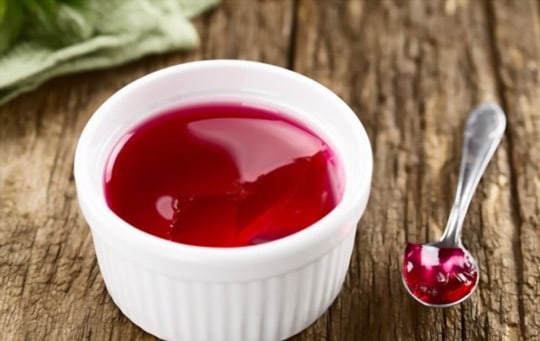
Eating Redbud Jelly is satisfying but making it with your hands is even more exciting and fun.
The process is simple, and you don't need many ingredients or utensils.
Besides, you can also store the finished product in the fridge for a few weeks.
The methods to make Redbud Jelly may differ from one recipe to another.
Some techniques may be complicated, while others are easy.
If you have never made it, it's best to follow a simple formula.
Below is one of the easiest methods to make homemade Redbud Jelly, which you can use in many ways.
You will need.
- 1 quart jar of redbud flowers.
- 2 cups sugar (you can use a sweetener that contains less or no sugar).
- 3 tablespoons Sure-Jell powder.
- 3 tablespoons lemon juice.
- 2 teaspoons butter.
- 2 cups boiling water.
Collect about a quart jar of fresh redbud blooms (gather only what you need).
Look for twigs and insects, and then place the blossoms in a big container with an airtight cover.
It should be able to hold the flowers and 2 cups of water.
Boil two cups of water and pour it over the blossoms, and use a spoon to stir till the water covers the flowers completely.
Close the lid and let it cool for about 30 minutes.
Place the container in the fridge and let the flowers steep for 24 hours.
Next, use a sieve, coffee filter or cheese cloth to filter the redbud tea in a bowl, pot or pan and squeeze out all the liquid from the blooms.
Make sure to remove any solid particles from the tea.
Place the pot with the redbud tea on the stove and when it starts boiling, add the lemon juice and Sure-jell and stir.
Put the sugar and butter and continue stirring till it boils again.
Let it cook further for one or a half minutes before removing it from the stove.
When still hot, transfer the liquid to clean and sterilized jars.
Dry the rims entirely before sealing the jars with the lids.
Place the jelly-filled jars in a large pot and pour hot water to about two inches of the jars but not past the rim.
When the water comes to boil again, cover the pot and boil it for ten minutes.
Remove the lid, switch off the stove, and let it cool for ten minutes.
Place the jars on a dry towel and let them rest for 24-48 hours.
This process is to seal the jars properly.
You can keep them in the fridge for 24-48 hours before using the jelly.
If the seals are pretty tight, the jelly can last well until opened.
Taste Experience of Redbud Jelly
Now that you have one more jelly flavor on your list, your tastebuds will always have the chance to experience a new taste.
You can make fresh and scented jelly whenever the flowers are in bloom.
Even if you don't have the shrubs at home, you can find them elsewhere.
The trees and shrubs grow in many areas, along the roads, in the forest and in people's gardens.
So, you can get the blossoms easily.
Jelly powder behaves differently in recipes; jelly powder vs gelatin explained. Comparing different preserves helps clarify uses and texture; jam, jelly and fruit preserves comparison.
Frequently Asked Questions
Ever stumbled upon Redbud Jelly and thought, "What in the world does that even taste like?" We did too. Think floral, think sweet, with a hint of tartness that dances on your palate.
Besides describing its taste, we will also tell the simplest method to make the jelly.
The texture of Redbud Jelly depends on how it is prepared. Raw, cooked, and processed forms each offer a distinct mouthfeel that changes the overall eating experience.
Is there a strong smell that comes with the taste?
Aroma and taste are closely linked.
A strong smell usually signals an equally bold flavor.
If the smell is mild, expect a subtler taste that becomes more apparent with seasoning.
Depends on the ingredient. Some improve dramatically with heat, developing sweetness or losing bitterness.
Others are best raw, where cooking dulls the brightness that makes them worth trying.