
The closest alternatives to Peppermint Extract are Mint Leaves, Peppermint Oil, Peppermint Schnapps, Spearmint Extract, and Wintergreen Extract.
Mint Leaves
Mint leaves have an aromatic, strong taste.
For cooking, Peppermint Oil also works well - adjust the amount to taste.
Craving that peppy peppermint flavor and hit a snag? No peppermint extract in the pantry?
We've been there. It's like your baking plans hit a sudden red light.
Lucky for us, the kitchen is a place for creativity, not just strict recipes.
We've scoured shelves, dived into the depths of our cabinets, and experimented like crazy scientists to bring you the top five stand-ins for peppermint extract.
These alternatives will keep your dishes singing with that minty kick, making sure your culinary show goes on.
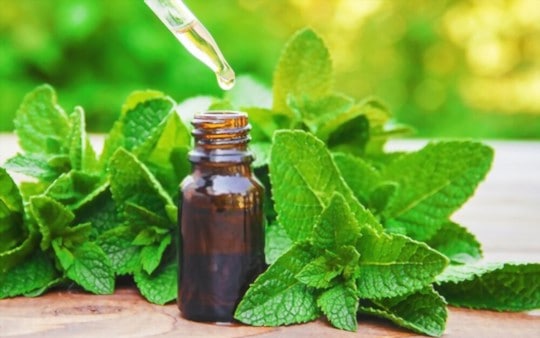
Best Peppermint Extract Replacements
If you find yourself in a pinch and don't have any peppermint extract handy, there are several suitable alternatives that can be used to achieve a similar flavor - including lemon extract substitute ideas for bright, citrusy swaps.
Here are the top five best substitutes for peppermint extract:
1 - Mint Leaves
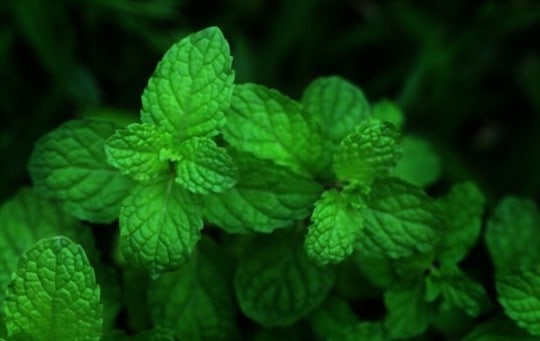
Mint leaves have an aromatic, strong taste.
It is often used chopped in a variety of dishes to impart flavor, from salads and sauces to desserts.
One unique way to use mint leaves is by substituting them for peppermint extract in recipes such as frostings or smoothies - or consult mint substitute options for swaps when fresh leaves aren't available.
You can do this by soaking the leaves in warm water for a longer time and getting a more intense flavor.
Using mint leaves instead of the extract has some advantages because it's fresher, brighter, and has more nutrients, like vitamins and minerals, that provide numerous health benefits.
2 - Peppermint Oil
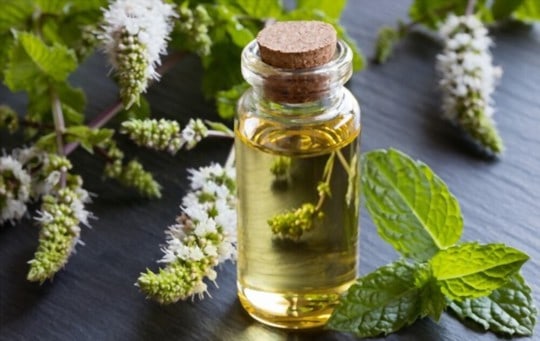
Peppermint oil is an important ingredient in modern kitchens, used to create delicious desserts, various dishes, and refreshing drinks.
It has a strong minty flavor that can be rather overpowering, but when added to specific dishes, it creates a unique taste.
Peppermint oil can be used instead of peppermint extract by diluting it with a carrier oil, such as grapeseed or almond oil, at a ratio of 1:4, respectively.
As an alternative, the trick is to make sure you use substantially less peppermint oil than extract in whatever recipe your using since the difference in potency can have a significant impact on the outcome.
For guidance on strong-flavored oil replacements in recipes, truffle oil substitute options for cooking offers ideas that translate to other potent oils like peppermint oil.
3 - Peppermint Schnapps

Peppermint schnapps is a great way to add a sweet and minty flavor to desserts, drinks, and cocktails.
The taste of peppermint schnapps is not overpowering, but it adds a unique complexity when added to food or beverage.
It is usually used as an ingredient in fruity cocktails, and adding just a small amount can make your drink go from ordinary to extraordinary.
If you don't have peppermint extract at home, you can use peppermint schnapps as a substitute for most recipes.
The schnapps may be slightly sweeter than the extract, so keep that in mind when making adjustments.
If a fruity liqueur is on the ingredient list, peach schnapps swap options for cocktails suggests comparable liqueurs that work similarly to peppermint schnapps in mixed drinks.
4 - Spearmint Extract
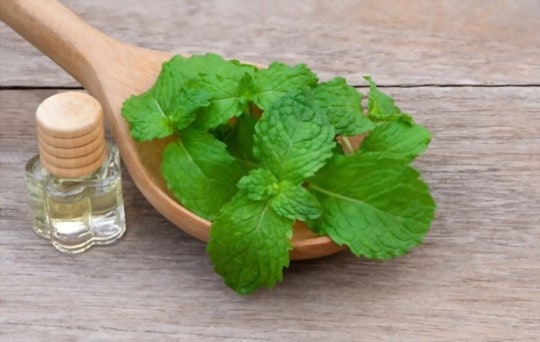
Spearmint extract has a distinct but light flavor that is both sweet and herbal at the same time.
Many find it to be a pleasant alternative to the stronger taste of peppermint extract, which can be overpowering in some desserts or beverages.
If you prefer spearmint's more subtle flavor and are looking for a way to use it as a peppermint extract substitute, start by using half the amount of spearmint called for in a recipe and increasing as needed until you achieve your desired taste.
Experiment with adding additional spices, such as nutmeg or cinnamon, to create even more depth if desired.
For recipes calling for a different extract profile, coconut extract swap ideas for baking shows how to adjust flavorings when switching extracts.
5 - Wintergreen Extract
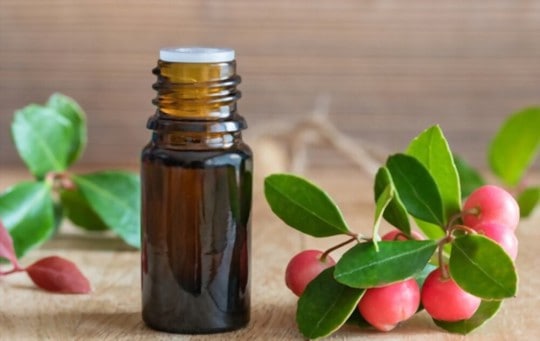
Wintergreen extract is a powerful flavor that lends itself to many applications in the kitchen.
It has an unmistakable taste and aroma, similar to peppermint but much stronger and with a subtle menthol quality.
When used properly, it can provide a complex spicy-sweet kick.
For the home chef, wintergreen extract offers an alternative to peppermint extract by providing delicious notes to baking recipes like cookies or cakes.
For those who want to substitute it for peppermint extract in any recipe, wintergreen should be used in three-fourths of the amount called for, as it's more concentrated than regular extracts.
This will ensure that your dessert retains its intended flavor without being too overpowering.
Some fruit-forward extract swaps pair well with many recipes; plum extract substitute suggestions for baking offers alternative fruit flavors. For bright citrus options, orange extract substitute ideas for desserts works when a zesty lift is needed.
Frequently Asked Questions
Mint Leaves, Peppermint Oil, Peppermint Schnapps, Spearmint Extract, and Wintergreen Extract. Use it at a 1:1 ratio in any recipe that calls for Peppermint Extract.
Yes, and the results are often hard to tell apart. Mint Leaves is the go-to replacement.
For variety, Peppermint Oil adds its own twist to the dish.
Sometimes. Blending two partial substitutes - one for flavor and one for texture - gets closer to the original.
This works best when neither alone fully replicates what you need.
Not always. Some substitutes are processed or have a strong raw flavor that disappears with heat.
Check whether the original is typically used raw before assuming the substitute will work the same way.