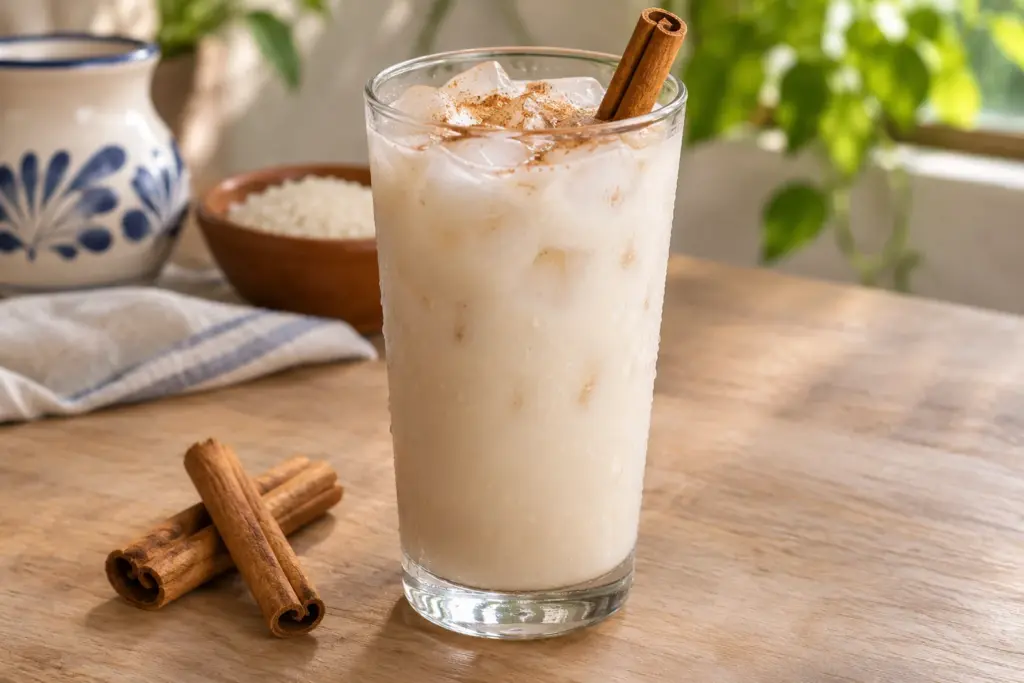
Horchata tastes sweet, creamy and lightly spiced with cinnamon, and the flavor depends on what it is made from.
- Mexican horchata blends soaked rice with cinnamon and sugar, often with milk or vanilla.
- Spanish horchata de chufa comes from tiger nuts and tastes sweet with a hint of lemon.
- Salvadoran horchata is made from ground morro seeds, not rice.
The name covers several drinks, and the rice version is what Tasting Table calls the most widespread horchata in North America. A glass from a Valencia horchata shop starts from a different plant, so it is worth knowing which one you have before you judge it. If you are exploring foods and drinks by flavor, horchata is one of the easiest to describe once you know the base.
1. What Does Horchata Taste Like?
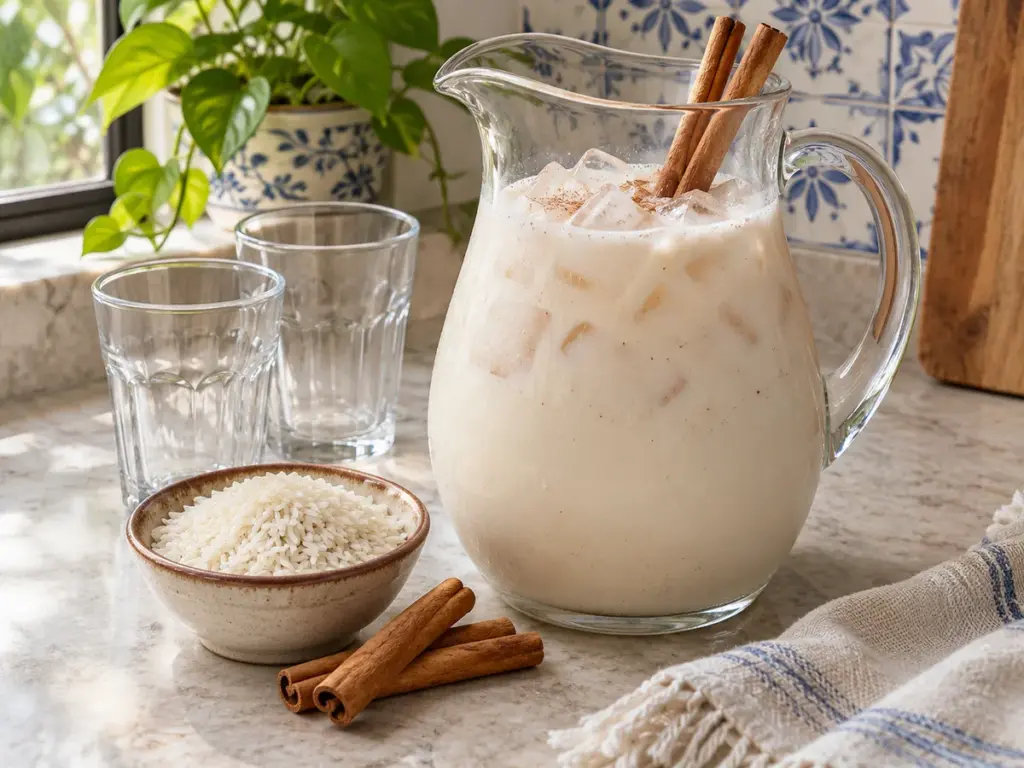
Mexico News Daily describes traditional Mexican horchata de arroz as soaked, blended rice with water and cinnamon, sometimes with vanilla and almonds. Writer Janet Blaser adds milk and sugar to her own version and serves it frosty-cold with lots of ice. Tasting Table sums up the result as "creamy, slightly sweet, and refreshing".
Most of the flavor comes from three things you can pick out in a glass:
- Cinnamon is the main spice, and it gives the drink its warm, sweet smell. If you like the taste of cinnamon in rolls or oatmeal, you will recognize it right away.
- Rice adds a soft, milky grain flavor. Some people compare the drink to the sweet liquid in a bowl of rice pudding, and plain cooked rice tastes mild enough that the sugar and spice lead.
- Vanilla and milk show up in many recipes. Vanilla rounds off the cinnamon, and both extras are optional, so a dairy-free glass is still horchata.
Blaser also points out a somewhat chalky mouth-feel from the blended rice, and the solids settle to the bottom, so the pitcher needs a stir before every pour. She notes that restaurant versions are often very sweet, which is why a homemade batch lets you cut the sugar to your own taste.
2. How Do Mexican, Spanish and Salvadoran Horchata Taste Different?
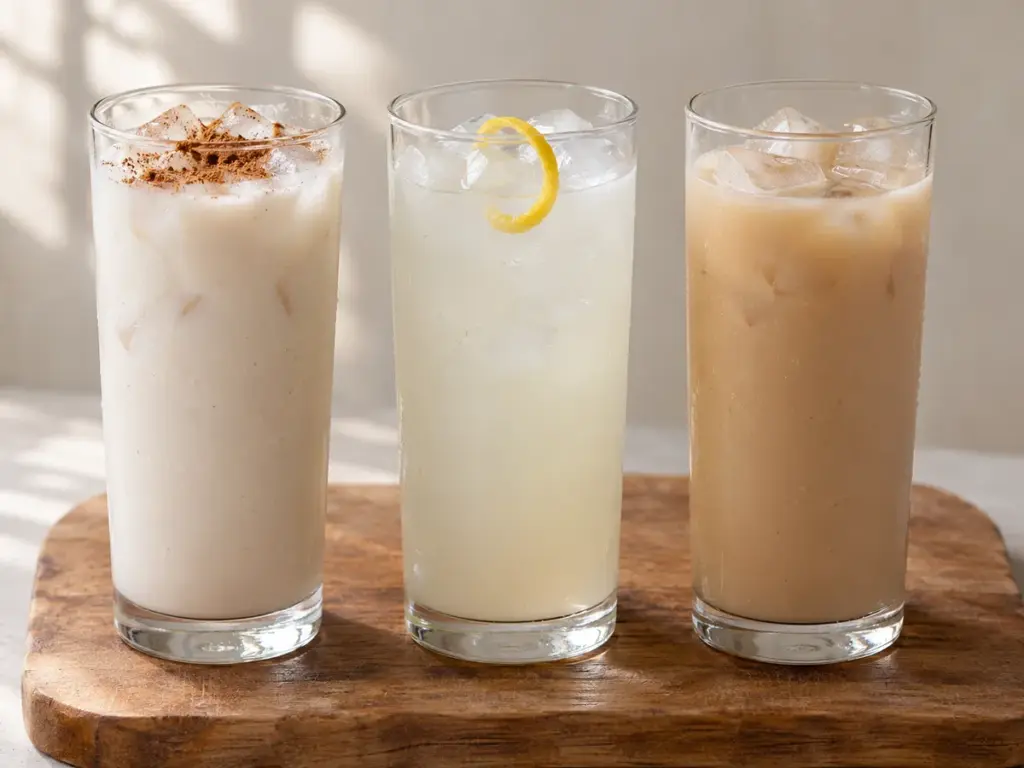
Horchata is a name given to several sweet plant-based drinks, which is why a menu in Valencia and a menu in San Salvador can promise very different glasses. Three versions turn up most often.
| Version | Main ingredient | What to expect | Where you find it |
|---|---|---|---|
| Mexican horchata de arroz | Rice, cinnamon, sugar, often milk or vanilla | Sweet, creamy, cinnamon-forward, a little chalky | Mexico, the US and Guatemala |
| Spanish horchata de chufa | Tiger nuts, sugar, water, lemon peel, cinnamon | Sweet and refreshing, with light lemon and cinnamon notes | Valencia, Spain |
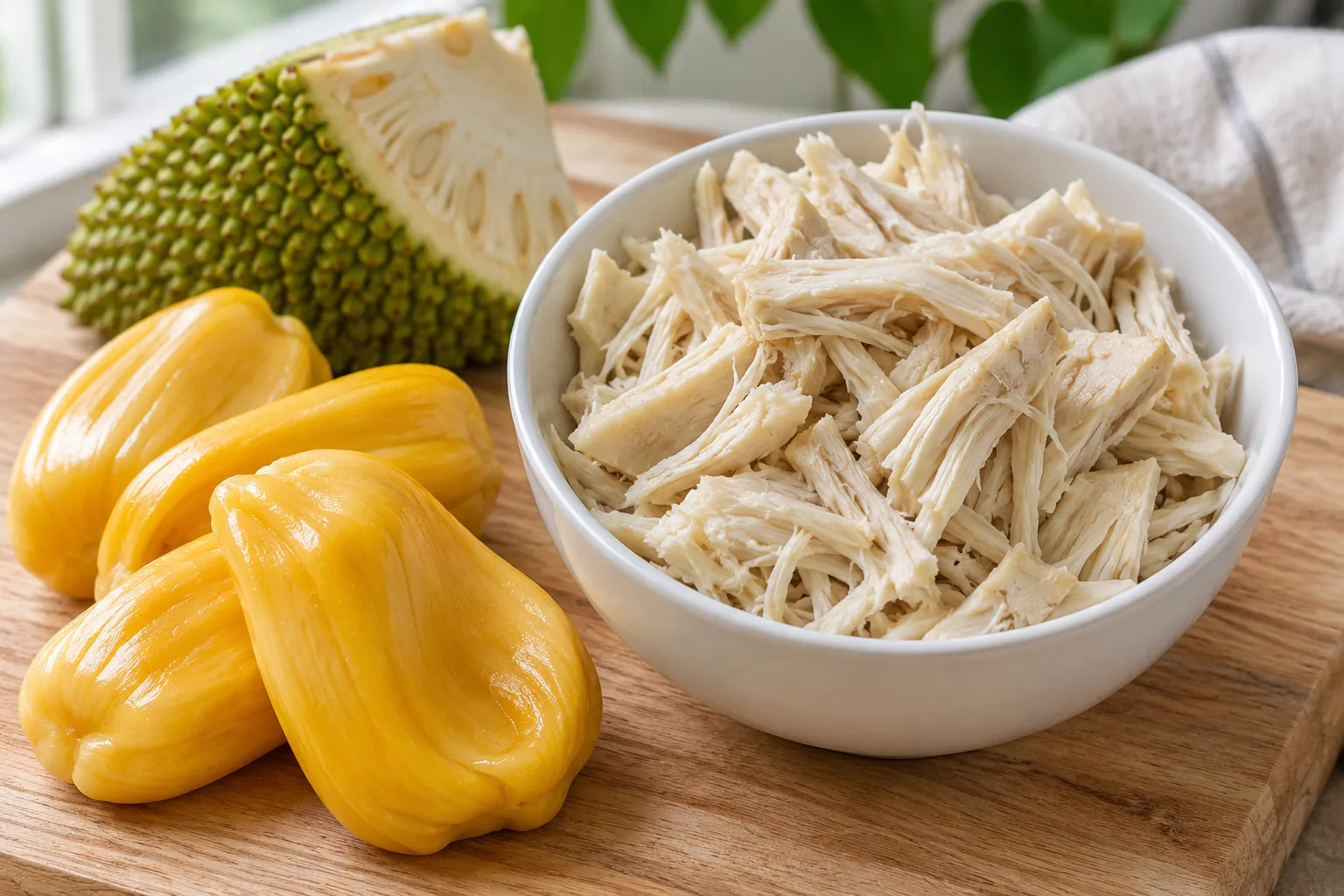
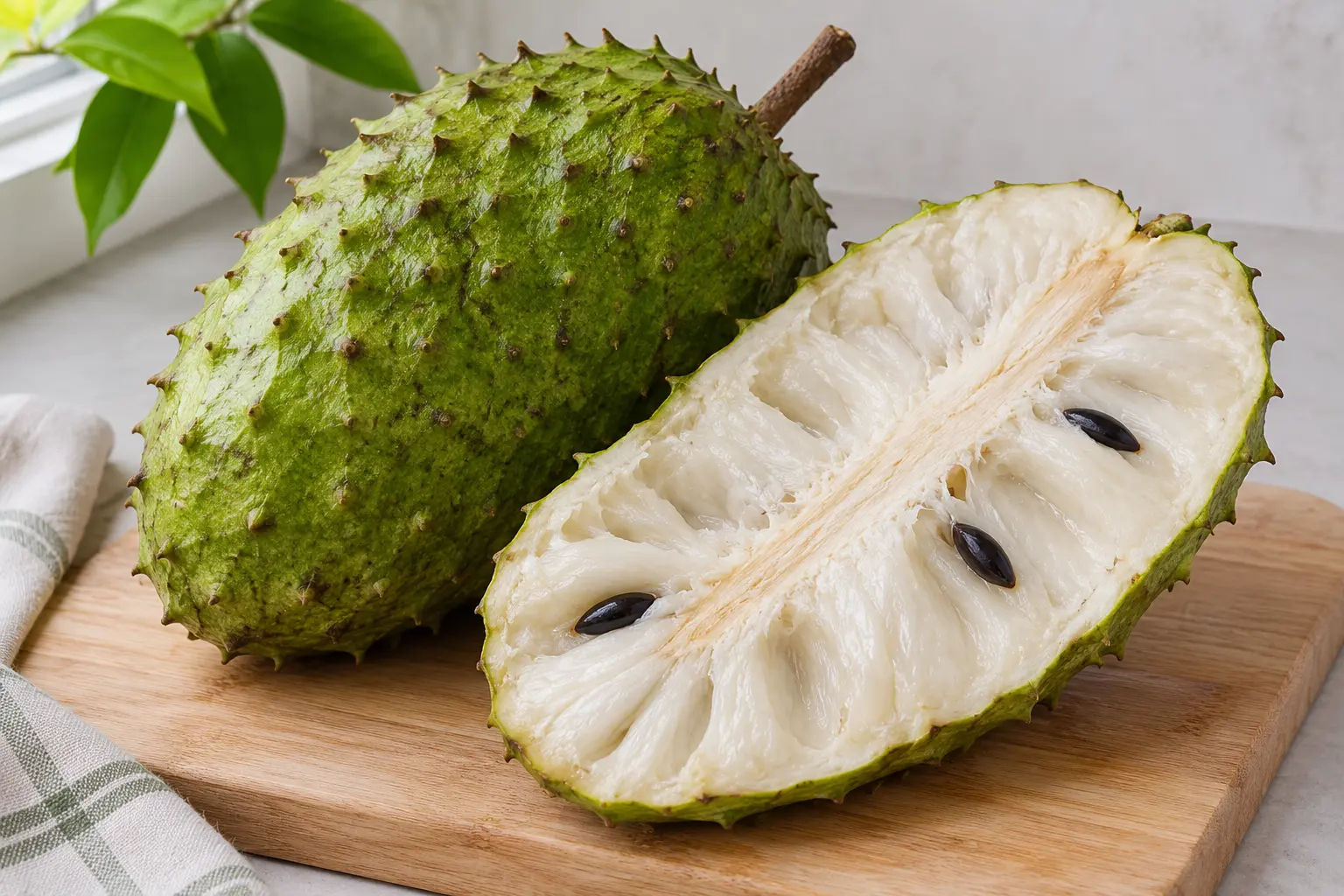
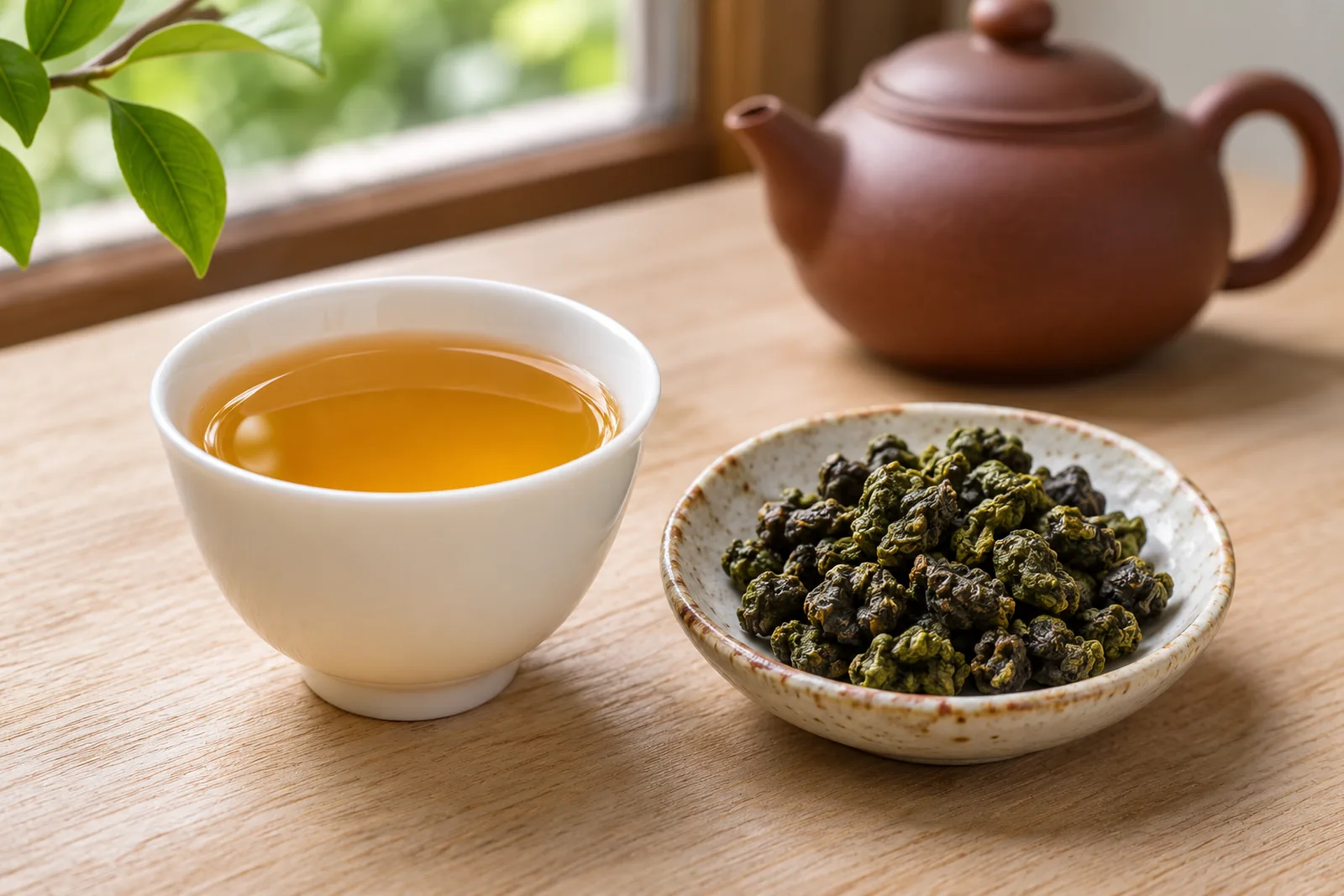
Salvadoran horchata de morro is made from ground morro (jicaro) seeds. Recipe writers call it nuttier and earthier than rice horchata, and you find it in El Salvador and nearby countries.
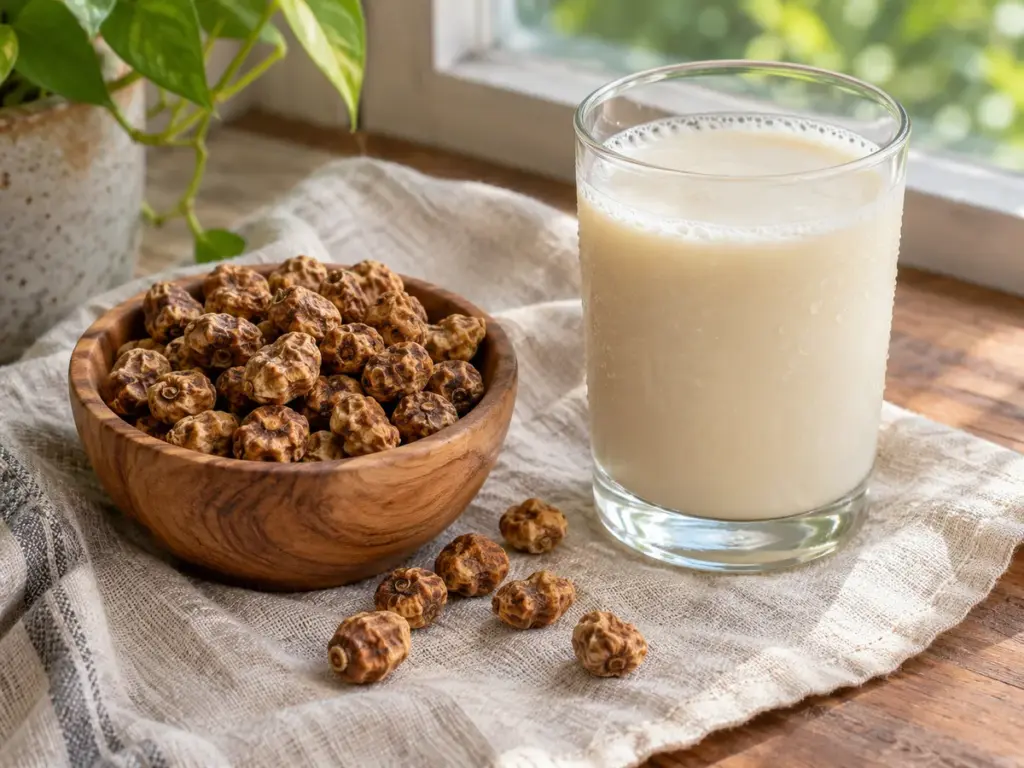
Fartons Polo, a Valencia maker, says it adds sugar, water, lemon peel and cinnamon to tiger nut juice and calls the result "sweet and refreshing". Visit Valencia, the city's tourism site, says you can order it liquid, as a slush called a granizada, or mixed, and that the plain liquid served ice-cold is the purest way to taste the chufa.
The Salvadoran drink is the hardest of the three to pin down. Food historian Rachel Laudan describes the seeds of the morro fruit as black and lentil-shaped, dried in the sun and ground to a powder that is blended with water. Recipes vary, with some adding rice, cinnamon or sugar, and we found no official flavor standard, so treat "nutty and earthy" as how recipe writers describe it.
3. Are Tiger Nuts Really Nuts?
No, tiger nuts are small tubers. Visit Valencia calls chufa a small tuber, and Tasting Table says they are more closely related to sweet potatoes than to almonds. That explains why horchata de chufa tastes sweet without any rice or dairy in it.
Visit Valencia says the chufa arrived with the Islamic expansion and cites 13th-century writings that mention "llet de xufes", meaning tiger nut milk, as the ancestor of today's drink. Other versions of the history, including claims about ancient Egypt, come with no named source, so we leave them out. If you want to cook with the same ingredient, tiger nut flour is the ground form.
4. How Many Calories Are in Horchata?
USDA FoodData Central lists horchata as served in restaurants (FDC 171941) at 54 calories per 100 grams. A 240 gram glass, about 8 fluid ounces if the drink weighs close to water, works out to roughly 130 calories and 28 grams of carbohydrate.
| Nutrient | Per 100 g | Per 240 g glass (our math) |
|---|---|---|
| Calories | 54 kcal | about 130 kcal |
| Carbohydrate | 11.5 g | about 28 g |
| Fat | 0.7 g | about 1.7 g |
| Protein | 0.5 g | about 1.2 g |
| Sodium | 14 mg | about 34 mg |
The numbers describe one restaurant-style record, so a homemade glass made with extra sugar, whole milk or almonds will land higher. The record does not break out sugar, so we give no sugar figure, and we cut the health-benefit claims the old version of this page made because none had a source.
5. How Do You Serve and Drink Horchata?
Horchata works as a drink with food, because Blaser says it soothes the palate next to spicy dishes. A glass beside salsa-topped tacos cools each bite, and it also stands on its own as a sweet drink on a hot day.
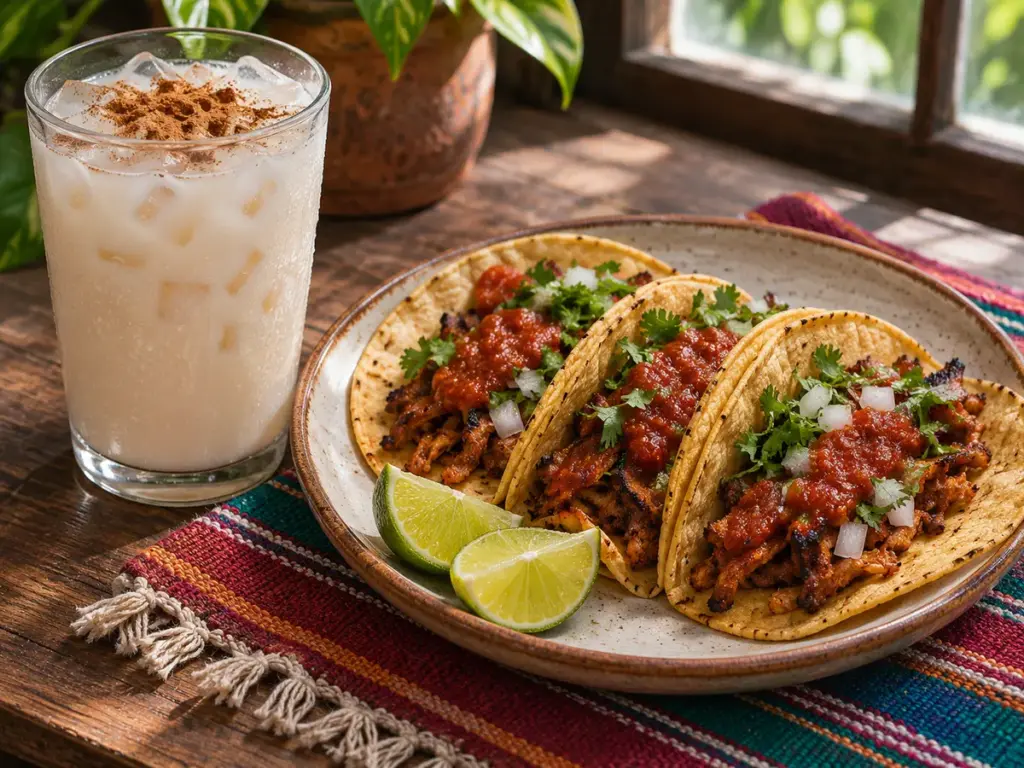
- Pour over plenty of ice, as Blaser does
- Stir the pitcher first, since solids settle
- Mix with rum, tequila, mezcal or vodka for a cocktail
- Order it ice-cold, as a liquid or a granizada
- Dip a fartón, a glazed sweet pastry, into the glass
- Expect the chufa to be the main flavor
Mexico News Daily also lists two spins on the drink: cocohorchata, which blends in fresh coconut water, and Dirty Horchata, which adds coffee.
6. Which Drinks Taste Close to Horchata?
Three other creamy, spiced drinks often come up next to horchata:
- Coquito is the Puerto Rican holiday drink that uses coconut and rum where horchata uses rice, and it shares the cinnamon, which is why horchata and coquito are often confused.
- Eggnog uses milk, cream and eggs with warm spices, which makes it much richer than the rice drink, as you can see in how eggnog tastes.
- Chai latte brings tea and a mix of spices that includes cinnamon, and the chai latte carries tea's bitterness, which horchata lacks.
Sources
- Janet Blaser, Horchata is a rice-based drink that pairs well with spicy food, Mexico News Daily
- Nikita Ephanov, What's Really In Horchata?, Tasting Table
- Horchata from Valencia, the freshest sip, Visit Valencia
- Horchata, Fartons Polo
- Rachel Laudan, Agua Fresca 16: Salvadoran Horchata
- USDA FoodData Central, FDC 171941, Beverages, Horchata, as served in restaurant
- Effects of Temperature on Food, Clemson Cooperative Extension

Food writer at GustoMeadow. Writes ingredient substitutes, food comparisons, taste guides and storage guides for home cooks.
Storage and food-safety numbers follow USDA, FDA and university extension guidance.