
Good replacements for Best Tigernut Flour include Almond Flour, Coconut Flour, Buckwheat Flour, Quinoa Flour, and Arrowroot Powder.
Almond flour to coconut flour, each substitute comes with its own unique benefits and flavors.
For cooking, Coconut Flour also works well - adjust the amount to taste.
Ever find yourself staring at a recipe, all set to bake something mouthwateringly healthy, only to realize you're out of tigernut flour?
No need to scrap your baking plans!
Lucky for us, the world of flours is vast and varied. We're here to guide you through the top five swaps for tigernut flour that are not only easy to find but will keep your baked goods just as delicious and nutritious.
Why stick to the usual when you can mix things up and still achieve amazing results?
From almond flour to coconut flour, each substitute comes with its own unique benefits and flavors. It's about finding what works best for you and your recipe.
Ready to keep your healthy baking game strong? Let's get into these fantastic alternatives!
The 5 Best Substitutes for Tigernut Flour
You have several options if you're looking for a Tigernut flour substitute.
Here are the five best substitutes for Tigernut flour:
1 - Almond Flour
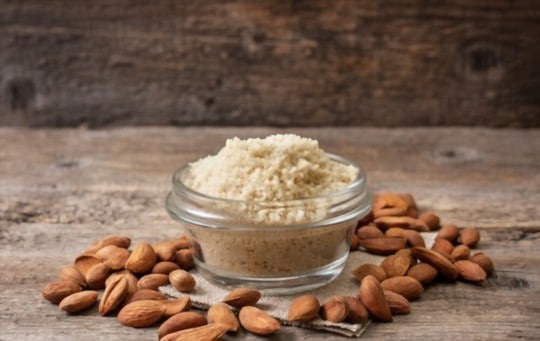
Almond flour is a heart-healthy alternative to wheat flour that has recently gained popularity.
Made from finely ground almonds, almond flour is gluten-free and rich in vitamins and minerals.
It can be used in various recipes, from pancakes and waffles to cookies and cakes.
Almond flour is also a great choice for those with celiac disease or gluten intolerance.
When substituting almond flour for wheat flour, it is important to keep a few things in mind.
Almond flour is denser than wheat flour, so it is important to use less of it when baking.
In addition, almond flour tends to produce baked goods that are slightly darker in color than those made with wheat flour.
2 - Coconut Flour
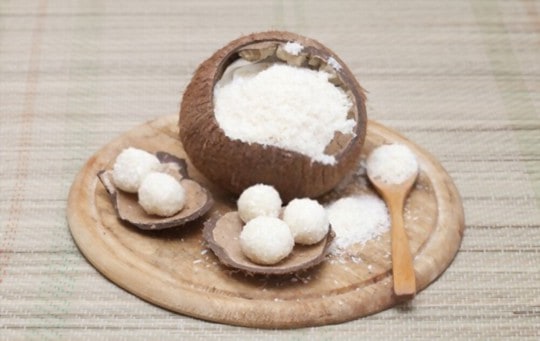
Coconut flour is a healthy alternative to traditional flour that is perfect for people who are looking to cut down on carbs or who have gluten sensitivities.
Unlike wheat flour, coconut flour is high in fiber and low in carbs, making it an excellent choice for people on low-carb diets.
Coconut flour is also a good source of protein, which can help to keep you feeling full and satisfied after eating.
In addition, coconut flour contains no gluten, so it is perfect for people with celiac disease or who are otherwise sensitive to gluten.
When baking with coconut flour, it is important to keep a few things in mind.
Because it is so absorbent, you will need to use less coconut flour than you would wheat flour.
In addition, you may need to add more eggs or oil to your recipe to compensate for the lack of moisture that coconut flour provides.
3 - Buckwheat Flour
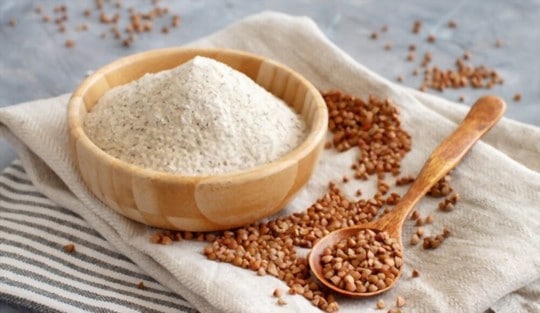
Buckwheat flour is a type of flour made from the seeds of the buckwheat plant.
Despite its name, buckwheat is not related to wheat and is actually more closely related to rhubarb.
Buckwheat flour has a nutty, earthy flavor and can be used in a variety of recipes.
It is a good source of fiber and protein, and it is also gluten-free.
When shopping for buckwheat flour, look for whole-grain varieties for the most nutrients.
You can use buckwheat flour in pancakes, waffles, biscuits, muffins, and other baked goods.
You can also use it to make pasta or as a coating for chicken or fish.
Buckwheat flour is available at most supermarkets and health food stores.
4 - Quinoa Flour
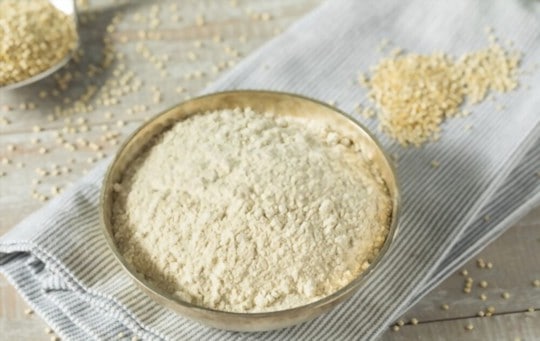
If you're looking for a gluten-free flour alternative, quinoa flour is a great option.
Quinoa is a grain that is naturally gluten-free, and it's packed with nutrients like protein, fiber, and iron.
When ground into flour, quinoa retains all of these nutritional benefits.
Quinoa flour can be used in many different recipes, from pancakes and waffles to bread and pasta.
It has a slightly nutty flavor that pairs well with other ingredients.
And since quinoa flour is light and fluffy, it can be used as a 1:1 substitute for tigernut flour in most recipes.
5 - Arrowroot Powder
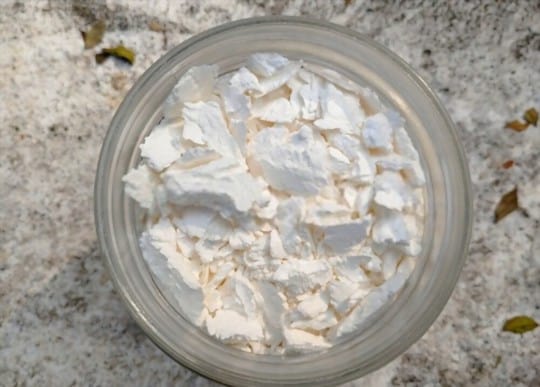
Arrowroot powder is a fine, white powder made from the root of the arrowroot plant.
It is often used as a thickening agent in recipes for soups, stews, and sauces.
When mixed with water, it forms a clear, jelly-like substance that can be used to coat and protect wounds.
Arrowroot powder can also be used as a natural deodorant, as it helps to absorb sweat and reduce odors.
In addition, arrowroot is known for its digestive properties and can be taken to relieve stomach discomfort.
It is also sometimes used as a dietary supplement, as it is rich in vitamins and minerals.
This powder can be found in the baking aisle of most grocery stores.
Frequently Asked Questions
Almond Flour, Coconut Flour, Buckwheat Flour, Quinoa Flour, and Arrowroot Powder. Use it at a 1:1 ratio in any recipe that calls for Best Tigernut Flour.
In most cases, yes. Try Almond Flour first since the flavor is closest.
Coconut Flour handles heat and texture differently, so test in small batches.
It can, especially with ingredients that have distinct colors or pigments. The difference is usually minor in mixed dishes but may be more visible in lighter sauces or batters.
How do you adjust seasoning when using a substitute?
Taste as you go.
Substitutes can be saltier, milder, or sweeter than the original.
Add seasoning gradually and adjust at the end rather than matching the original recipe amounts exactly.