
The best substitutes for Fava Beans are Lima Beans, Cannellini Beans, Kidney Beans, Chickpeas, and Edamame.
Lima Beans
Lima beans are a type of legume that is native to South America.
Cannellini Beans
Cannellini beans are a type of white bean that is popular in Italian cuisine.
Oh snap! Ran out of fava beans?We've got you covered.
How many times have we all stared into the abyss of our pantry, hunting for that one ingredient we just can't put our fingers on?
Constantly, right? Well, this time it's all about those elusive fava beans.
They're like gold in some recipes, adding that unique flavor and texture we crave.
But life's too short to stress over missing ingredients. We're here with the ultimate swaps that'll save your dish without skipping a beat.
Grab your apron, and let's turn that kitchen oops into a culinary win.

Flavor and Texture of Fava Bean Alternatives
There are plenty of substitutes that will give you the same flavors and textures.
Here are the five best substitutes for fava beans.
1 - Lima Beans
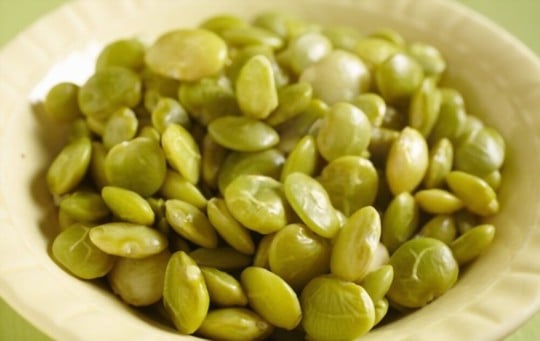
Lima beans are a type of legume that is native to South America.
They are typically small and green, although they can also be white or yellow.
Lima beans are a good source of fiber and protein and can be used in various dishes.
To cook fresh lima beans, boil them in water for 10-15 minutes.
You can also add them to soups or stews or mash them and use them as a replacement for mashed potatoes.
Try roasting lima beans in the oven with olive oil and garlic for a more intense flavor.
No matter how you prepare them, lima beans make a delicious and healthy addition to any meal.
2 - Cannellini Beans
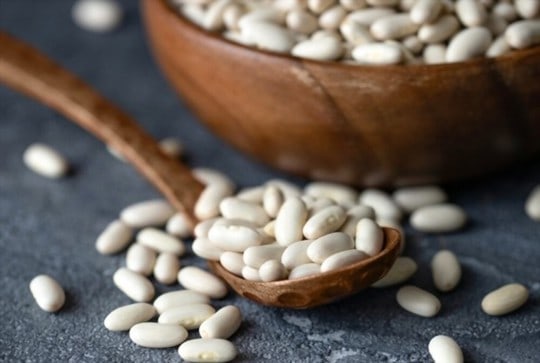
Cannellini beans are a type of white bean that is popular in Italian cuisine.
These beans have a mild, slightly nutty flavor and a creamy texture.
They can be used in various dishes, from soups and stews to salads and pasta.
When cooking cannellini beans, it is important to soak them overnight before cooking.
This helps to soften the beans and improve their flavor.
Once soaked, the beans can be simmered in water or broth until tender.
For a richer flavor, try cooking the beans with some garlic, onion, and herbs.
Cannellini beans are a flexible ingredient that can add creaminess and flavor to any dish.
3 - Kidney Beans
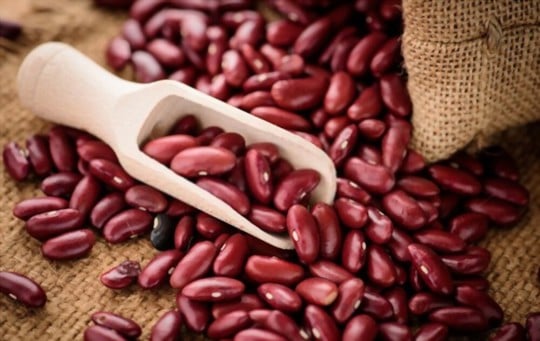
Kidney beans are a type of legume that is named for their shape, which resembles a kidney.
They are popular in many cuisines, including Mexican, Indian, and Chinese.
Kidney beans are typically red, but they can also be white or black.
They are sold dried or canned, and they can be used in a variety of dishes, such as stews, salads, and rice dishes.
To cook kidney beans, simply soak them overnight in water and then cook them in boiling water for about an hour.
You can also add them to soups and stews that are already cooking.
Just be sure to add an extra hour or so to the cooking time if you do this.
Kidney beans are a delicious and flexible ingredient that can add flavor and texture to any dish.
4 - Chickpeas
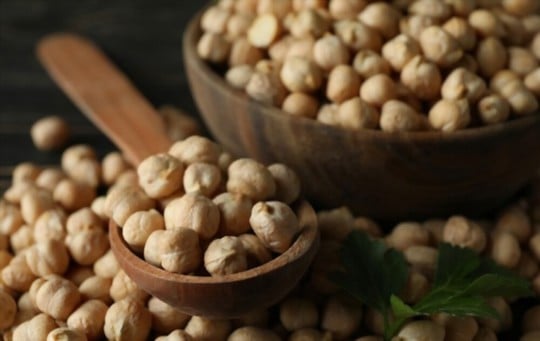
Chickpeas, also known as garbanzo beans, are a type of legume popular in many cuisines worldwide.
They are a good source of protein and fiber and can be used in various dishes, from soups and stews to salads and dips.
Chickpeas can be purchased either dried or canned, and both types must be cooked before they can be eaten.
To cook dry chickpeas, simply soak them in water overnight, then drain and rinse them before cooking them in fresh water for about an hour.
Canned chickpeas can be used straight from the can, although many prefer to give them a quick rinse first.
Once cooked, chickpeas can be enjoyed on their own or added to other dishes.
Experiment with different recipes to find new ways to enjoy this flexible legume.
5 - Edamame

Edamame is a type of soybean that is often eaten as a snack.
The beans are picked before they mature and are typically boiled in salt water.
They can then be eaten whole or shelled.
Edamame is a good source of protein, fiber, and vitamins and can be a healthy addition to any diet.
To cook edamame, start by boiling a pot of water.
Then, add the desired amount of beans and let them cook for 3-5 minutes.
Once they are done cooking, drain the water and add them to a bowl.
For added flavor, you can sprinkle on some salt or other seasonings.
To shell the beans, simply pop them out of their pods with your fingers or a fork.
Edamame can be enjoyed as is or added to salads, soups, or other dishes.
You might also want to know how fava beans compares.
Frequently Asked Questions
Lima Beans Lima beans are a type of legume that is native to South America. Use it at a 1:1 ratio in any recipe that calls for Fava Beans.
Yes. Lima Beans and Cannellini Beans work as direct replacements in most recipes.
Use the same quantity and adjust seasoning after tasting.
Usually not, but check moisture content. Wetter substitutes may need a slightly higher temperature or longer cook time to evaporate excess liquid and achieve the right texture.
Is the substitute appropriate for all dietary restrictions?
Check labels carefully.
Many substitutes introduce allergens or ingredients that conflict with specific diets - dairy, gluten, soy, or nuts may appear in processed alternatives.