
You may or may not have heard of elderberry. Some might even think it refers to mature berries.
But that's not the case.
Yes, it's a berry, but it's another type of berry that's rich in phytonutrients and antioxidants.
If you're interested to learn more, we suggest getting to the end of our post.
From nutritional value to long-awaited questions such as, "what does elderberry taste like?" we'll be covering it all.
These berries are healthy, but they're also quite tasty and can be prepared in several ways.
Let's dive in and learn more about elderberries.
What is Elderberry?

The elderberry plant, aka Sambucus spp, is a type of berry plant that blooms around the early-midsummer season in many parts of America.
Its harvest season typically runs from July to September.
Although the fruit can be used fresh, frozen, or dried, it is often cooked and used in jams, jellies, and beverages due to its tart taste.
Elderberries are mainly found in three varieties that are grown in North America, Europe, and America.
All three berries also contain different names, such as European elderberry and black/sweet elderberry.
The American elderberry is also known for its slightly sweeter note than the European elder.
Apart from their distinct varieties, elderberries contribute significantly in terms of the nutritional value as well.
Because elderberry has a tart edge, pairing it with citrus can brighten desserts; lemon dessert pairing ideas shows compatible flavor matches for sweet treats.
For a comparative flavor perspective, see acai berry taste guide comparison to learn how acai's profile stacks up against other tart berries.
What Does Elderberry Taste Like?

As mentioned earlier, elderberries are pretty versatile so let's start with how it tastes raw.
Raw elderberries usually lean more their add a bitter, earthy, and tart flavor, which makes them not as sweet and tasty.
This is one of the main reasons why people often avoid having it raw.
On the other hand, cooked berries offer a different taste, which many prefer over the raw version.
The cooked version contains sweet notes.
Hence it's often used for making sweet food items such as jams, jellies, etc.
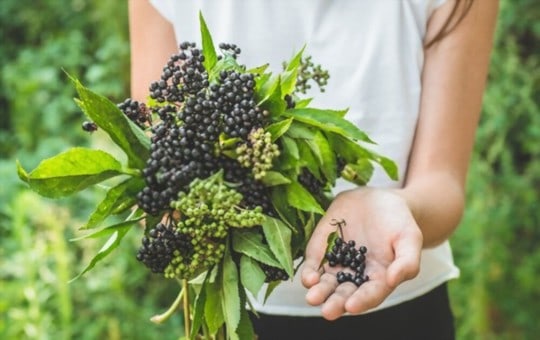
The ripe version of elderberries contains a dark shade of blue, purple, or black.
They're not as sweet but instead contain a bright texture with a tart and earthy balance on the mouth.
Due to its texture and flavor, it can blend quite well with other sweeter fruits such as strawberries or apples.
If you happen to find green or red elderberries, it's most likely raw, which means they will not only taste bad but may contain harmful toxins as well.
So, it's best to keep away from them.
What Do Cooked Elderberries Taste Like?

As mentioned earlier, elderberries produce a much different taste once cooked.
While raw versions are bland and bitter, cooked versions deliver a more juicier and sweeter outcome - similar to the texture and taste shifts described in cooked vs raw shrimp comparison.
They may be one of the most nutritious berries out there, but it still contains hints of earthiness, which some dislike.
Hence, cooked berries taste significantly better once extra ingredients are added.
Additional ingredients or even other fruits help balance out the tartness of the elderberry.
This results in a much sweeter version of the berry.
Imagine a mixture of blackberries and blueberries.
That's precisely what cooked elderberries would taste like in terms of flavor.
This is because the tartness is balanced out by the mild sweet tones of the berry.
Nutrition-wise, these berries are packed with vitamins and fiber, along with antioxidants.
Also, other major nutrients offered by elderberries include iron, copper, fiber, etc.
How to Cook and Use Elderberry?

One of the best and most convenient ways of using elderberry is to make a jam.
This proves incredibly useful and beneficial due to the short supply of elderberries in many grocery stores.
After all, elderberries are incredibly popular as a jam because of their flavor.
Plus, jams will generally have a longer shelf life, meaning you can eat them for a long time.
If you're planning on making jams, you can further improve the taste by mixing it with other fruits such as pears, apples, or even other berries.
Another ideal option is to divert elderberries into jellies and preserve it for a long time.
The berry can also be converted into a juice form, which actually is an excellent remedy for colds during winter.
A warm cup of elderberry juice extract can help prevent seasonal flu and keep your health in check.
If you're more into baking, the elderberry can also be incorporated for making a delicious set of muffins.
Since berries naturally contain a tart taste, it helps bake tasty muffin treats.
You further use dried elderberry flowers to create a sweet tea.
Similarly, the flowers, along with the berries, can be used for making wine as well.
There are so many ways to go in about it.
You can always continue experimenting with different food items until you find the perfect elderberry-infused dish for yourself.
Elderberry jam pairs nicely with quick savory dishes; veggie sides under 12 minutes suggests fast vegetable accompaniments that work well with preserves.
How to Buy Elderberry?
Whether it's dried, frozen, or fresh elderberry, it isn't easy to find them in local markets or stores.
However, some several online vendors and outlets sell the berry.
If you're simply looking for the berries, you can always google and find out which local sites are selling them and buy them accordingly.
You can also keep checking in with your local market areas to confirm its availability, especially during its peak season.
Although the chances are very less, if you happen to go around picking elderberries, you should remain extremely careful, as raw berries can contain harmful substances.
Make sure you've done your fair share of research before embarking on the journey, and be wary of the toxins raw berries can emit.
For guidance on locating specialty ingredients in stores and online, see where to buy miso in grocery for tips that apply to hard-to-find items like elderberries.
Conclusion
Elderberries are an excellent type of berry that can be used in the most versatile manner.
On top of being delicious, it also delivers several medical benefits, which makes it even more exciting to try.
So, if you're new to the world of unique berries, jams, and drinks, we hope our article has helped widen your understanding of elderberries.
Although these berries are not readily available, their compatibility with different food items makes them an incredible option for those interested in exploring berries.
If you're not too sure about what to do with them, we suggest giving some of the cooking recommendations a try.
Frequently Asked Questions
Yes, it's a berry, but it's another type of berry that's rich in phytonutrients and antioxidants. From nutritional value to long-awaited questions such as, "what does elderberry taste like?" we'll be covering it all.
Although the fruit can be used fresh, frozen, or dried, it is often cooked and used in jams, jellies, and beverages due to its tart taste.
Several foods share flavor notes with Elderberry. Tasting similar items side by side is the easiest way to map out what you enjoy and find new favorites.
Can you adjust the intensity of the flavor?
Yes.
Pairing it with acidic, sweet, or fatty components shifts the perceived intensity.
A squeeze of citrus brightens mild flavors, while fats like butter or oil mellow sharper ones.
Avoid pairings that clash with its dominant flavor note. Competing intensities - very sweet with very sour, or heavy with delicate - tend to obscure rather than go with the taste.
Elderberry's tart-sweet profile can be contrasted with other tropical and dark berries; acai berry taste guide comparison helps place elderberry among similar flavors. Preserves pair well with quick sides and snacks; veggie sides under 12 minutes lists fast vegetable accompaniments that complement jams and jellies.